Choosing the right Shelled Sunflower Seeds supplier in 2026 takes more than comparing prices. Buyers need consistent kernels, clear specifications, dependable delivery, and answers that hold up when production gets busy. A sample can look excellent under bright warehouse lights, yet behave differently in a bakery mixer or snack line. Details matter.
This guide explains how to compare suppliers using practical checks: seed origin, kernel size, moisture levels, cleaning standards, packaging options, and traceability records. Ask for current product specifications and relevant food-safety documents, then confirm what each document actually covers. Request samples from the lot you may buy, not only a polished showroom sample. Small discrepancies can matter. So can response time. A supplier that answers clearly about crop variation, shipping windows, and complaint handling may be more useful than one offering the lowest quote.
There is no single “best” supplier for every buyer. A small roaster may value flexible minimum orders, while a manufacturer may need stable volumes and scheduled deliveries. Rankings also have limits: product quality can vary by season, origin, and handling, and published claims should be checked directly. We will look at supplier capabilities and selection criteria, while noting where buyers should verify details for themselves. That extra check takes time. It can prevent a costly surprise later.
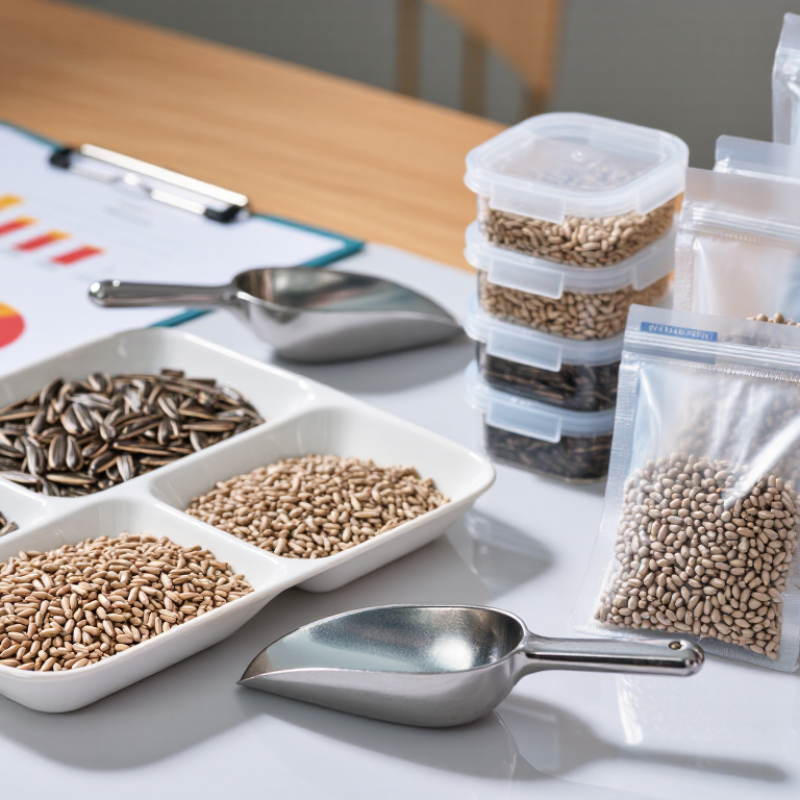
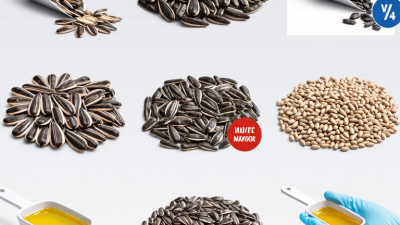
Shelled sunflower seeds, often called kernels, are sold raw, roasted, salted, or unsalted. USDA FoodData Central reports about 20.8 grams of protein per 100 grams for a listed sunflower seed entry. That figure is useful for comparison, but it is not a guarantee for every product. Variety, processing, moisture, and added ingredients can change the nutrition panel. Check the specific item’s data before making precise dietary claims.
Kernels have a mild, nutty taste and a tender bite. Raw seeds work well in bread dough, granola, and salads; roasting brings out a deeper flavor for snacks and toppings. Finely ground kernels can also add body to sauces, though they may thicken quickly. Small details matter. When comparing suppliers, ask about harvest and processing dates, seed size, cleanliness, packaging, and batch documentation. A fresh sample should smell clean and taste mild, not stale or bitter. Storage deserves attention too: warmth and air can dull the flavor. I would not assume that the largest kernel is always the best choice; a consistent, well-handled batch may suit a recipe better.
| Category | Type or specification | Typical uses | What buyers should check |
|---|---|---|---|
| Product form | Raw, shelled sunflower kernels | Snacking, baking, granola, salads, and seed mixes | Confirm whether kernels are raw or heat-treated, and ask for the product specification and lot documentation. |
| Product form | Dry-roasted kernels | Ready-to-eat snacks, toppings, and savory mixes | Check roast level, ingredient list, salt content, and whether the product is sold as ready to eat. |
| Product form | Oil-roasted kernels | Seasoned snack mixes and food-service toppings | Verify the oil used, added ingredients, allergen controls, and nutrition information for the finished product. |
| Cut or grind | Whole, sliced, chopped, or ground kernels | Whole kernels for toppings; chopped kernels for bakery products; ground kernels for spreads and recipes | Specify particle size and acceptable levels of fines or broken pieces. |
| Supplier evaluation | Food-safety and quality documentation | Relevant to retail, manufacturing, and food-service purchasing | Request a current specification, certificate of analysis where applicable, allergen information, traceability details, and storage guidance. |
| Storage | Packaging and shelf-life requirements | All kernel types, especially products with added oils | Follow the supplier’s label. Protect kernels from heat, moisture, light, and strong odors; use sealed packaging after opening. |
| Nutrition reference | Dried sunflower seed kernels, per 100 g | USDA FoodData Central generic reference: protein 20.78 g; energy 584 kcal; total fat 51.46 g; total carbohydrate 20.00 g; dietary fiber 8.6 g. | Values are for the listed dried-kernel reference, not a guarantee for roasted, salted, flavored, or otherwise processed products. |
Nutrition source: USDA FoodData Central, generic entry for dried sunflower seed kernels. Product composition can vary with processing and added ingredients.
A useful 2026 supplier map starts with harvest regions, not a sales list. USDA crop reports can show where sunflower production is concentrated, while export records indicate where product moves. For US origins, compare state-level acreage and output across the northern and central Plains. Globally, review USDA oilseed estimates alongside reported exports from major producing regions. The two views may not match neatly. That matters.
USDA export data can help trace shipment volumes and destinations, but timing differs across crop years and calendar years. Compare several seasons rather than treating one spike as a lasting trend. Check the units. Seed tonnage, oilseed production, and shelled-kernel trade are not interchangeable measures. Some trade classifications may combine forms or processing levels, so verify the product description before ranking origins.
Use the statistics to shortlist regions, then confirm availability with current harvest details, shipment windows, and written specifications for size, moisture, and purity. A port destination does not prove where seeds were grown. Ask suppliers to document origin and lot traceability. Public data can narrow the search, not certify a shipment. I would leave room for imperfect records and changing crop estimates.
Compare supplier certificates, not just quoted moisture percentages. ISO 665:2020 specifies a method for determining moisture and volatile matter in oilseeds. ISO 658:2002 covers measurement of impurities. Neither standard sets a universal purchase limit. Buyers should agree on limits, sampling points, and test timing before comparing offers. Small details matter.
Ask for a recent certificate of analysis showing the sample date, method, and measured results. A supplier’s “clean” grade is vague unless impurity results identify what was counted. Check whether hull fragments, dust, and foreign seeds appear in the test basis. USDA Foreign Agricultural Service’s monthly Oilseeds: World Markets and Trade reports provide production, trade, and stock estimates. These figures help assess supply context, but they do not verify an individual shipment’s quality.
Compare like with like. Request sealed, lot-specific samples and have an independent laboratory test moisture under ISO 665 and impurities under ISO 658. Record results as received, then compare them with the contract limits. Numbers need context. A certificate can look precise while its sample represents only one pallet. I would question any quote that omits sampling details, even when its specifications seem attractive.
Aflatoxins are invisible; clean-looking sunflower kernels cannot confirm their absence. FDA uses a 20 parts-per-billion action level for aflatoxins in many foods. Buyers should verify current FDA guidance and its applicability to the product they purchase. Treat the figure as a screening benchmark, not a substitute for a documented food-safety program. Details matter.
Ask suppliers how they sample each lot, which aflatoxins their lab measures, and whether results report total aflatoxins in parts per billion. Request traceable, lot-specific test reports from a qualified laboratory. A result below 20 ppb is useful, but it only describes the tested sample. Uneven contamination can make sampling errors costly. Small samples miss things.
Storage records matter, too. Warm, damp conditions can encourage mold growth, so review moisture controls, warehouse conditions, and transport practices. Ask how the supplier handles a failed or borderline result, including lot holds and retesting. I would not rely on a single certificate without checking its date, lot number, method, and sampling plan. Testing cannot fix every gap. A careful review makes supplier comparisons more meaningful, even when paperwork looks reassuring.
A useful 2026 ranking of shelled sunflower seed suppliers should start with traceability, not a sales brochure. Ask for lot-level records showing origin, harvest period, processing site, and shipment batch. Then match those records to sample labels and invoices. Small discrepancies matter. A supplier’s traceability is only as useful as its ability to follow a specific lot from farm region to your receiving dock.
Certifications should be current, independently verified, and relevant to the product and facility being quoted. Check the certificate’s scope and expiry date; a valid document may cover another site or activity. For capacity, compare documented monthly output with your order size, seasonal availability, and packaging needs. Request recent fill-rate data and a realistic lead time, not just a maximum production figure. That sounds tidy. It rarely is.
Landed cost means more than the quoted price per metric ton. Compare freight, insurance, duties, port and handling charges, inland delivery, and expected losses on the same shipment basis. Include product specifications, such as kernel size, moisture, and foreign matter, so cheaper offers are genuinely comparable. A simple scorecard can weight traceability, certifications, capacity, and landed cost to fit your purchasing priorities. Keep the assumptions visible; freight estimates and exchange rates can shift before the order ships.