Peanuts in shell are small treasures packed with nutrition. These delightful snacks offer various health benefits that many people overlook. Often, we consume peanuts for their rich flavor, but they also contribute to well-being in remarkable ways.
Peanuts in shell provide a good source of protein, healthy fats, and essential vitamins. Many appreciate their crunchy texture and savory taste. However, there’s more beneath the surface. For instance, they may help lower heart disease risk. This benefit may seem surprising to some. Not everyone knows about their high fiber content, which aids digestion.
Another advantage is their affordability. While many healthy snacks can be pricey, peanuts in shell remain budget-friendly. Yet, moderation is key. Overindulgence might lead to weight gain. It’s important to enjoy them mindfully. With a balance, you can savor these nutritious nuts while reaping their many health benefits.
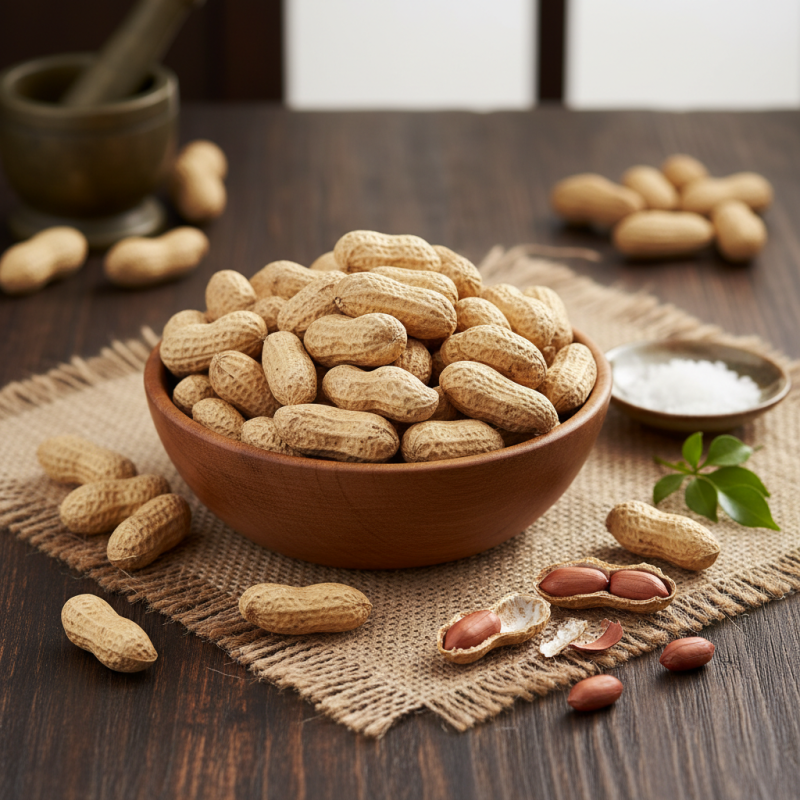
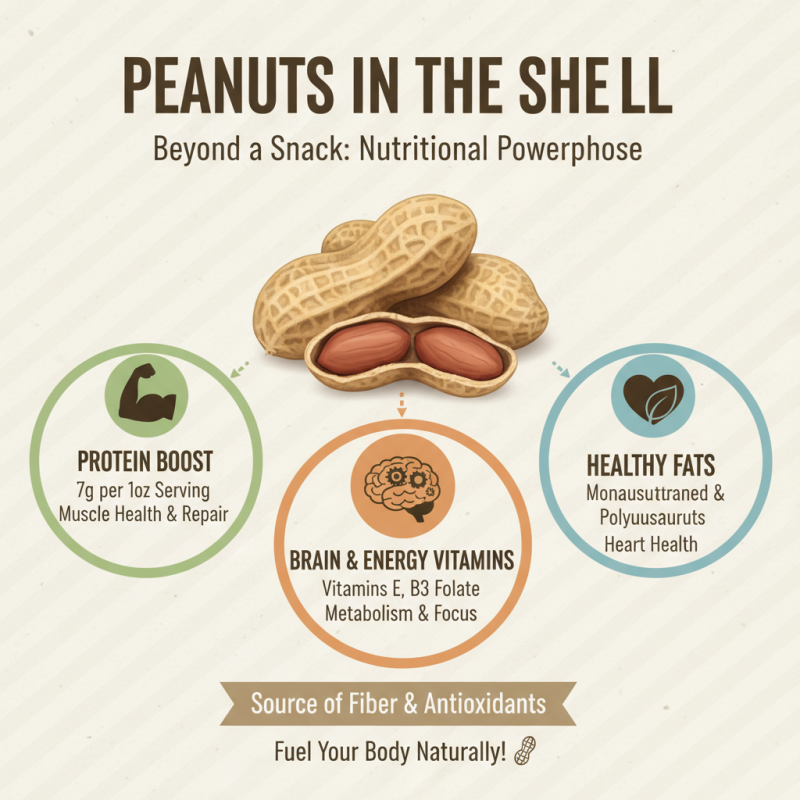
Peanuts in their shells are not just a tasty snack; they hold significant nutritional value. These nuts are packed with protein, healthy fats, and essential vitamins. A one-ounce serving of peanuts provides about 7 grams of protein. This is beneficial for muscle health and repair. They also contain vitamins such as E, B3, and folate. These vitamins are crucial for energy metabolism and brain health.
Eating peanuts, especially in their shells, offers dietary fiber. Fiber aids digestion and keeps you feeling full longer. In fact, a serving can contain around 2-3 grams of fiber. This promotes a healthy digestive system. However, it’s essential to be mindful of portions. Peanuts are energy-dense and can lead to weight gain if consumed excessively.
Here are some practical tips: Consider roasting raw peanuts at home for a flavorful snack. This allows you to control the salt and seasonings. Pair peanuts with fruits or yogurt for a balanced diet. Don’t forget to enjoy the experience of cracking open the shells, making every bite more enjoyable. This can also remind you to slow down and savor your food, an essential part of mindful eating.
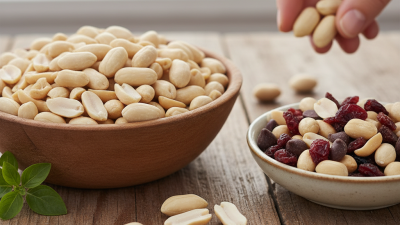
Peanuts in their shells offer surprising health benefits. Rich in nutrients, they are a great snack option. Research shows that peanuts contain protein, healthy fats, and essential vitamins. A study from the USDA reported that peanuts provide about 25% of the daily recommended intake of magnesium per serving. Magnesium is crucial for energy production and muscle function.
Consuming peanuts in their shells may also help with heart health. A journal published data indicating that regular peanut consumption could reduce cardiovascular disease risk. The healthy fats found in peanuts, particularly monounsaturated fats, play a significant role here. They can lower bad cholesterol levels, which is important for overall heart health.
Interestingly, they are also a good source of antioxidants. In-shell peanuts have some of the highest levels of antioxidants compared to many other snacks. Yet, it's essential to reflect on portion control. Eating too many can lead to excessive calorie intake. Moderation is key, as with any food. Balancing peanut consumption with an overall healthy diet will provide the best results.
The chart above displays the benefits of consuming peanuts in their shells, rated on a scale of 1 to 10. Peanuts are notably recognized for promoting heart health and providing a high-quality protein source. They also offer an energy boost and contribute positively to weight management, while being nutrient-dense.
Peanuts in their shells offer various health benefits, especially due to their antioxidant properties. These nutrients help combat free radicals in the body. This can reduce the risk of chronic diseases, like heart disease and cancer. Peanuts contain resveratrol and flavonoids, which are potent antioxidants. These compounds support overall wellness and promote longevity.
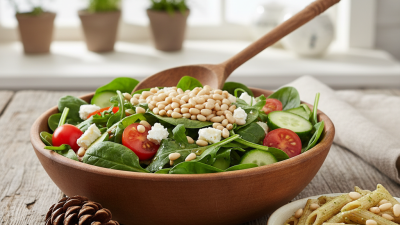
Eating peanuts can be a simple yet effective way to enhance your diet. Incorporating them into your meals can boost your health significantly. Consider adding peanuts to salads or enjoying them as a snack. However, moderation is key. Too many can lead to excess calories, which may counteract their health benefits.
Tips for enjoying peanuts in their shells: Choose raw or dry-roasted varieties to avoid unhealthy oils. Aim for a small handful to curb portion sizes. When munching on them, savor the crunch. This mindful eating can help you appreciate their flavor while supporting your health journey. Keep in mind that sometimes, less is more.
| Benefit | Description | Nutritional Content |
|---|---|---|
| Rich in Antioxidants | Peanuts contain flavonoids and resveratrol that help combat oxidative stress. | Approximately 2.5 mg of antioxidants per 100 grams. |
| Heart Health | Regular consumption of peanuts can lower the risk of heart disease. | Contains monounsaturated fats and magnesium. |
| Weight Management | Peanuts can promote a feeling of fullness and reduce overall calorie intake. | Approximately 567 calories per 100 grams, high protein and fiber. |
| Nutritional Value | Provides essential nutrients including vitamins and minerals. | High in Vitamin E, Niacin, Folate, and Manganese. |
| Blood Sugar Control | Peanuts have a low glycemic index, helping to stabilize blood sugar levels. | Contains complex carbohydrates and fiber. |
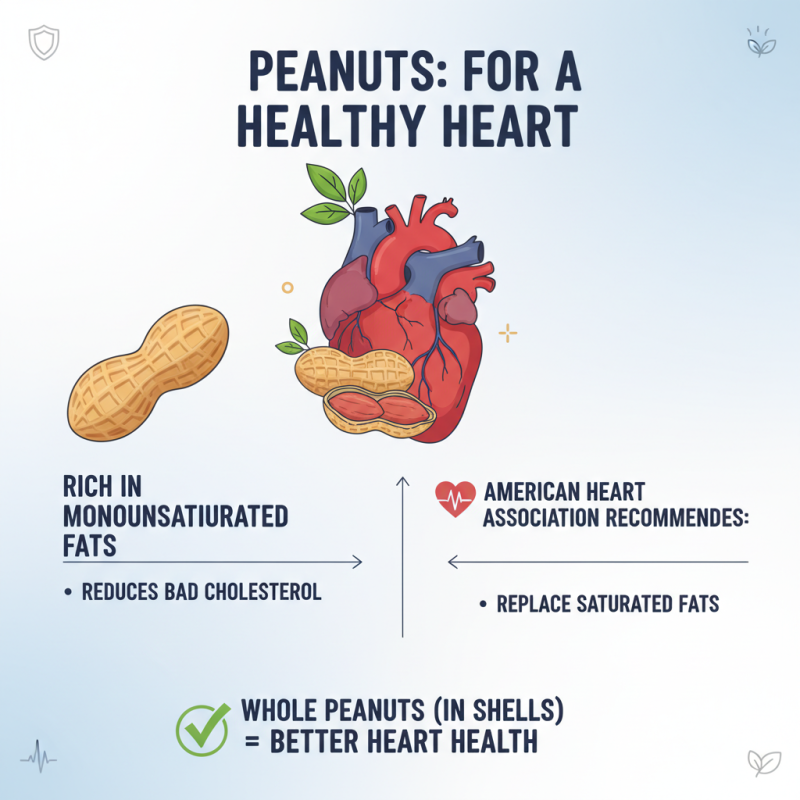
Peanuts, particularly when consumed in their shells, offer a wealth of healthy fats beneficial for heart health. These legumes are rich in monounsaturated fats, which can help reduce bad cholesterol levels. Research indicates that diets high in these fats may lower risks associated with heart disease. According to the American Heart Association, replacing saturated fats with monounsaturated fats can improve cardiovascular outcomes.
A study published in the Journal of Nutrition found that regular consumption of peanuts is linked to a 15% lower risk of coronary heart disease. Peanuts contain a unique profile of nutrients, including vitamin E and magnesium. These nutrients work synergistically to support heart function. However, while peanuts have benefits, moderation is key. They are calorie-dense. Therefore, overconsumption can lead to weight gain, which may counteract heart health benefits.
Some people may experience allergies to peanuts, which can pose significant health risks. It’s crucial to be aware of individual reactions. Peanuts also contain aflatoxins, natural toxins that can be harmful in large amounts. Nonetheless, when consumed mindfully, in shell, peanuts can enrich our diets significantly, enhancing heart health and overall nutrition.
Incorporating peanuts in their shells into your diet can be a delightful experience. Start with enjoying them as a snack. Simply crack open a few shells during your afternoon break. The crunchiness is satisfying, and it enhances your snack time. You might be surprised by how they can keep your hunger at bay.
Think about adding peanuts in shell to salads. They provide a nice texture. Just sprinkle some on top of a fresh salad. It adds protein and a nutty flavor. You can also roast them for extra crunch. Roasting can enhance their taste, making them even more enjoyable.
When cooking, consider using crushed peanuts in shelled recipes. They can elevate dishes like stir-fries or noodle bowls. Mixing them into sauces can add depth. Despite these benefits, remember to enjoy them in moderation. Peanuts can be calorie-dense. Listening to your body's signals is important. Eating too many might outweigh the benefits.