Top 5 Benefits of Shelled Sunflower Seeds for Your Diet?
The popularity of shelled sunflower seeds is on the rise. Many people are discovering their benefits for a balanced diet. Shelled sunflower seeds are not only tasty but also packed with nutrients. They provide essential fatty acids, protein, and vitamins. These small seeds can easily be added to various meals and snacks.
Incorporating shelled sunflower seeds into your daily routine is simple. They can be sprinkled on salads, blended into smoothies, or eaten as a quick snack. Their versatility makes them a convenient option for busy lifestyles.
However, it's important to consider portion sizes. Overeating, even healthy foods, can lead to unwanted weight gain. Reflecting on your dietary habits is crucial. Are you truly benefiting from the nutrients in shelled sunflower seeds? With mindful consumption, you can enjoy their rewards while maintaining a balanced diet.
Nutritional Profile of Shelled Sunflower Seeds
Shelled sunflower seeds are a powerhouse of nutrition. They are high in healthy fats, fiber, and essential vitamins. These little seeds pack a punch, offering significant benefits to anyone’s diet. For instance, a serving can provide nearly half of the daily recommended intake of vitamin E. This vitamin acts as an antioxidant, supporting skin health and reducing inflammation.
The seeds also contain a wealth of minerals, such as magnesium and selenium. Magnesium is crucial for muscle function and energy production. Selenium plays a role in metabolism and may help protect cells from damage. One might be surprised at how easily these seeds can fit into meals. Toss them into salads, yogurt, or smoothies for an added crunch.
However, portion control is important. While nutritious, they are also calorie-dense. Overindulgence can lead to unintended weight gain. Balancing sunflower seeds with other food groups is wise. Taking a moment to reflect on your intake can lead to better dietary choices. Enjoying sunflower seeds mindfully can enhance both their benefits and your overall health.
Heart Health Benefits of Consuming Sunflower Seeds
Sunflower seeds are small but mighty. They pack a punch in nutrition, particularly for heart health. Rich in unsaturated fats, sunflower seeds can help lower bad cholesterol levels. By improving heart health, they reduce the risk of heart disease, a leading cause of death globally. Incorporating these seeds into your diet can make a significant difference.
Eating sunflower seeds boosts magnesium levels. Magnesium is essential for maintaining a healthy heart rhythm. It helps relax the blood vessels, improving blood flow. This can be especially beneficial during stressful times when heart rates often spike. A simple handful of these seeds can provide essential nutrients to support cardiovascular health.
Tip: Add sunflower seeds to your morning oatmeal or yogurt for a nutritious breakfast. Consider using them as a topping in salads or stir-fries to enhance flavor. However, be mindful of portion sizes; it’s easy to overindulge. Balancing your intake is crucial to enjoy the benefits without excess calories.
Role of Sunflower Seeds in Weight Management
Shelled sunflower seeds are small but mighty seeds packed with nutrients. They play a notable role in weight management. A study published in the "Journal of Nutritional Science" highlighted that incorporating sunflower seeds can promote fat loss. Their high protein and fiber content helps increase satiety, keeping you fuller for longer.
When considering portion sizes, remember that sunflower seeds are calorie-dense. A one-ounce serving contains about 164 calories. Moderation is key. Mindless snacking can lead to excess calorie intake. Track your portions to avoid this pitfall. Consistency is crucial in weight management, and these seeds can be part of a balanced diet.
Tips: Pair sunflower seeds with salads to enhance flavor and nutrition. They also make great toppings for yogurt. Be aware of your total daily caloric intake when adding these seeds to your meals. Balancing nutrients is essential to ensure effective weight management.
Antioxidant Properties of Sunflower Seeds
Sunflower seeds are packed with antioxidants. These tiny seeds offer a powerful way to combat oxidative stress. Rich in vitamin E, sunflower seeds protect your cells from damage. This antioxidant helps reduce the risk of chronic diseases such as heart disease. Studies show that vitamin E supports immune function, improving overall health.
Additionally, sunflower seeds contain selenium. This trace mineral plays a crucial role in antioxidant defense. It helps neutralize free radicals, further protecting your body. Including sunflower seeds in your diet boosts your body’s resilience. They can be added to salads, smoothies, or eaten as snacks.
While sunflower seeds are beneficial, moderation is key. Eating too many can lead to excess calorie intake. Balancing them with other foods is essential for a healthy diet. So, remember to enjoy them wisely. They are a delightful way to incorporate antioxidants into your meals.
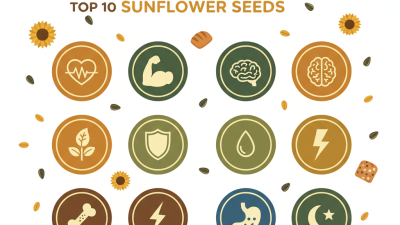
Top 5 Benefits of Shelled Sunflower Seeds for Your Diet
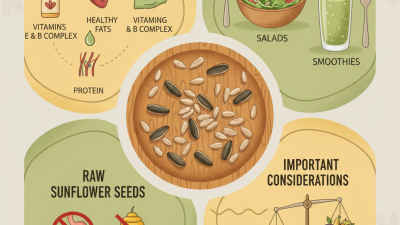
Sunflower seeds are not only delicious but also packed with incredible health benefits. Here is a visual representation of the top five benefits of including shelled sunflower seeds in your diet, highlighting their nutrient content and antioxidant properties.
Impact of Sunflower Seeds on Skin and Hair Health
Sunflower seeds offer remarkable benefits for skin and hair health. They are rich in vitamin E, a potent antioxidant. Studies indicate that vitamin E can help protect skin from damage caused by UV rays and pollution. According to the Journal of Dermatology, a diet high in antioxidants is linked to improved skin elasticity and hydration. This can help reduce the signs of aging, making sunflower seeds an excellent addition to your diet.
The high content of essential fatty acids in sunflower seeds also plays a crucial role in hair health. Omega-6 and omega-9 fatty acids can strengthen hair follicles, promoting growth and shine. A study conducted by the American Academy of Dermatology reveals that these fats reduce hair loss and improve scalp condition. However, some individuals may experience reactions to high omega-6 intake. Therefore, moderation is key to balance nutrient intake.
Incorporating sunflower seeds into meals is easy. They can be added to salads, smoothies, or eaten as a snack. Yet, it is essential to be cautious. Overconsumption may lead to excess calorie intake. Listening to your body is vital to ensure you reap the benefits without the downsides.