How to Cook with Red Peanuts for Delicious Recipes?
Red Peanuts offer a unique twist to many recipes. These vibrant legumes are packed with flavor and nutrients. Cooking with Red Peanuts can elevate your dishes in unexpected ways.
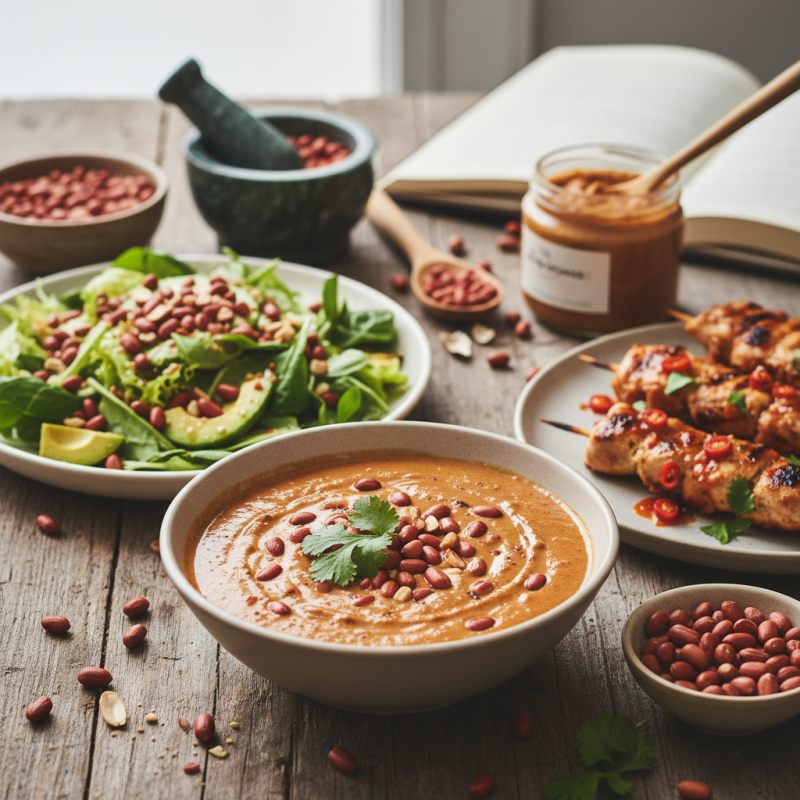
When preparing meals, one might overlook these treasures. However, their earthy taste complements both sweet and savory dishes. Imagine blending Red Peanuts into a creamy sauce or sprinkling them over a fresh salad. The texture adds a delightful crunch that surprises the palate.
Experimentation is key. Don’t be afraid to make mistakes; they lead to delicious discoveries. Perhaps a dish didn’t turn out as expected. Reflect on the balance of flavors and how Red Peanuts can enhance it. What can be improved next time? Embracing this journey can lead to remarkable culinary experiences.
Introduction to Red Peanuts and Their Culinary Benefits
Red peanuts, with their rich flavor and earthy notes, are a unique ingredient in many dishes. These legumes are packed with protein and healthy fats. They are also full of vitamins and minerals. This makes them a wonderful option for health-conscious cooks. Their vibrant color adds visual appeal to any dish, making meals look appetizing.
Cooking with red peanuts can be both simple and challenging. They can be roasted for a crunchy snack or boiled to soften them. You might struggle to find the right balance of flavors when you first start using them. They pair well with sweet and savory ingredients. This versatility allows for a wide range of recipes. However, experimenting may not always yield tasty results.
Red peanuts can be used in sauces, soups, or even desserts. Consider adding them to stir-fries or salads for extra texture. You can even blend them into a creamy spread. Don't be afraid to adjust the amount you use. Moderation might help in perfecting your dishes. With practice, you can unlock the full potential of red peanuts in your cooking.
Essential Cooking Techniques for Red Peanuts
Cooking with red peanuts can add a unique flavor to your dishes. Understanding essential cooking techniques can enhance your culinary experience. Red peanuts have a slightly sweeter taste compared to regular peanuts. They are rich in protein and healthy fats. Studies show that peanuts contribute to heart health when consumed regularly.
Start by roasting red peanuts. This brings out their natural oils. Spread them evenly on a baking sheet and bake at 350°F for about 15-20 minutes. Keep an eye on them. Over-roasting can make them bitter. Once roasted, they can be used in sauces or as toppings.
Another technique is boiling. Boiling red peanuts in salted water creates a soft texture. This is crucial for certain recipes. A study from the American Journal of Clinical Nutrition found that boiled peanuts provide antioxidants, promoting overall health. Experiment with boiling times. Under-boiled peanuts can be tough, while over-boiled ones may lose flavor.
Adding red peanuts to stews or salads can elevate the dish. They add crunch and a nutty element. However, portion control is important. Consuming too many can lead to unnecessary calories. Balancing flavor and nutrition is key in cooking.
Delicious Recipes Featuring Red Peanuts: A Step-by-Step Guide
Red peanuts bring a unique flavor and texture to a variety of dishes. They are versatile ingredients. Whether you blend them, roast them, or use them as a topping, red peanuts can elevate your meals. Let's explore some delicious recipes that will inspire you to cook with these delightful nuts.
One simple way to use red peanuts is in a crunchy salad. Start by boiling some water and adding chopped vegetables like carrots and bell peppers. Toss in a handful of red peanuts for added crunch. Drizzle with a simple dressing made from olive oil and vinegar. This combination is refreshing and satisfying.
Another option is to make a spicy peanut sauce. You can blend red peanuts with garlic, chili flakes, and a touch of soy sauce. This sauce pairs well with grilled chicken or tofu. You might find the flavors too strong at first. Adjust the spice to your preference. Experimenting with flavors is essential. Cooking is a journey, after all. Embrace the challenges, and enjoy the creative process.
Red Peanuts Usage in Delicious Recipes
Pairing Red Peanuts with Other Ingredients for Enhanced Flavors
Red peanuts are a hidden gem in many kitchens. Their unique taste pairs well with various ingredients. According to industry reports, red peanuts have a high oil content, which contributes to their rich flavor. This makes them an excellent base for recipes like sauces or dips.
Combining red peanuts with garlic and ginger can create a robust sauce that enhances stir-fried vegetables.
When thinking about flavor pairings, consider contrasting textures. Crunchy vegetables like bell peppers and carrots can complement the creaminess of ground red peanuts. A study indicated that consumption of peanuts can increase protein intake by up to 20%. This makes them a perfect component for vegetarian dishes, adding both nutrition and depth. Adding a hint of citrus, like lime juice, can brighten the dish even further.
Experimenting with spices is essential. Red peanuts work well with earthy tones such as cumin and smoked paprika. However, over-seasoning can mask their natural flavor. Maintaining balance is crucial for a harmonious dish. Trying different combinations encourages creativity, but some may prefer traditional recipes.
Taste testing is vital here, as not every combination will be successful. Embrace the learning process; interesting flavors often emerge from honest attempts and mistakes.
Storing and Preserving Red Peanuts for Long-Term Use
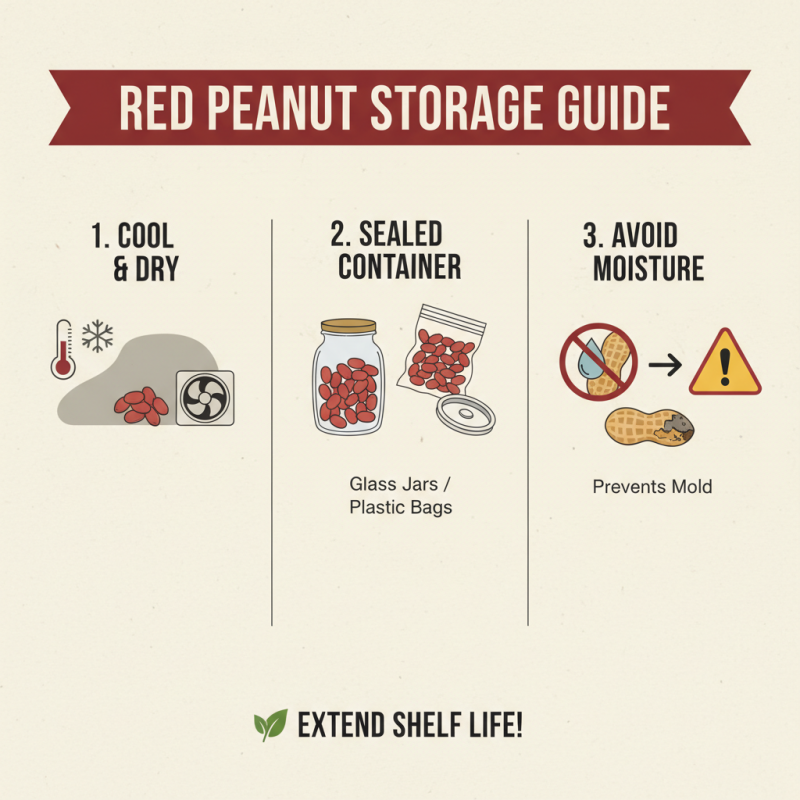
When it comes to storing red peanuts, proper methods can extend their shelf life significantly. Keep them in a cool, dry place. A sealed container works wonders for maintaining freshness. Avoid exposure to moisture. Dampness can lead to mold and spoilage. Some people use glass jars; others prefer plastic bags.
For long-term use, consider freezing red peanuts. This method locks in flavor and texture. Simply place them in an airtight container before freezing. Label it with the date. Remember to use them within six months for the best results. When it's time to cook, you can use them straight from the freezer.
Reflecting on storage methods, I realize that I often forget to check the condition of my peanuts. Sometimes they get overlooked in the pantry. Regularly inspecting your supplies can prevent unwelcome surprises. Keeping a tight inventory is essential. It might seem tedious, but it pays off in maintaining delicious recipes.