What Are the Different Types of Pumpkin Seeds?
Pumpkin Seeds may look alike in a bowl, but their shells, cultivars, and processing methods create meaningful differences. Some are sold whole, with pale, fibrous hulls; others are hulled green kernels, often called pepitas. Hull-less varieties produce kernels that can be eaten without shelling. These distinctions affect texture, preparation, and how a product is labeled. Not every label helps.
The topic also has commercial and nutritional context. Grand View Research estimated the global pumpkin seed market at about US$1.1 billion in 2023 and projected continued growth through 2030. Such market estimates depend on how researchers define products and regions, so they are useful context, not a universal measure. USDA FoodData Central provides nutrient records for pumpkin and squash seed products, including roasted kernels. Its entries also show why comparisons should match preparation and serving size. A salted, roasted kernel is not identical to a raw, shell-on seed.
This guide distinguishes common seed types by appearance, edible portion, and typical use, from snack bowls to baking. It also separates botanical varieties from retail forms, two categories that are often blurred. That distinction matters. Some details vary by cultivar and processor, and product names can be inconsistent. Use labels carefully, and treat broad claims about one “best” type with healthy skepticism.
How Pumpkin Seeds Are Classified
Pumpkin seeds are classified in more than one way. Botanically, they come from pumpkins and related squash in the Cucurbita genus. Their shape, size, and seed-coat structure vary by species and cultivar. A familiar distinction is between seeds with a hard outer hull and hull-less, or “naked,” seeds. The latter have a thin, tender covering and are often sold as pepitas.
That distinction can be useful in the kitchen. Hull-less seeds are easy to eat whole, while hard-shelled seeds are commonly cracked open to reach the inner kernel. The color is not a dependable guide on its own. Cream, green, and pale shades can vary with the variety and how the seeds are processed. It is not a perfect system.
Seeds may also be grouped by their intended use: eating, pressing for oil, or planting. These categories can overlap. A seed sold for snacking may still be capable of germinating, though roasting usually prevents that. Raw, roasted, salted, and seasoned describe preparation, not botanical types. Check the label for shell status and processing, since packaging terms are not always consistent. A small handful can look uniform, yet contain seeds with slightly different sizes and textures. That variation is normal, and classification does not tell you everything about flavor or growing performance.
Seeds With Hulls and Hull-Less Seeds
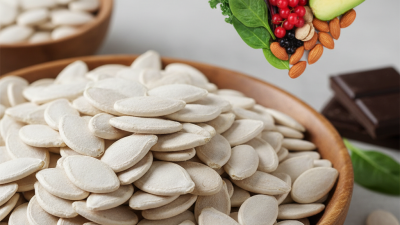
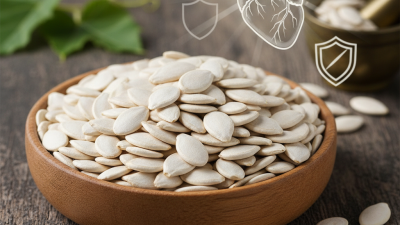
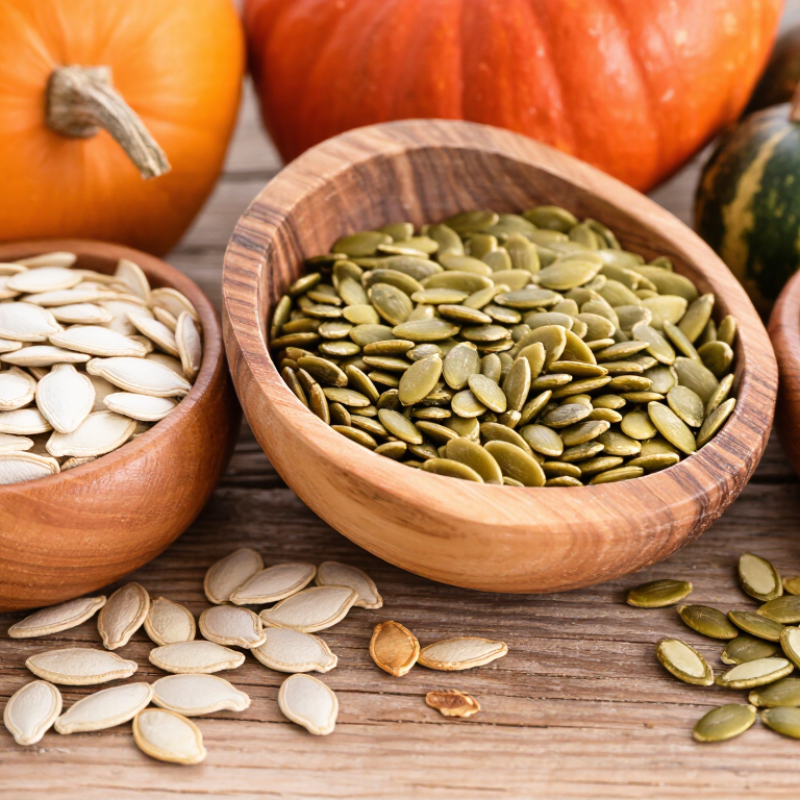
Pumpkin seeds with hulls are the familiar flat, cream-colored seeds scooped from a fresh pumpkin. Their hard outer shells usually need cracking before eating, though roasting makes them pleasantly crisp. Expect some mess. A bowl beside the cutting board helps keep slippery seeds from scattering across the counter. Hull thickness and seed size vary by pumpkin variety, so not every seed cracks the same way.
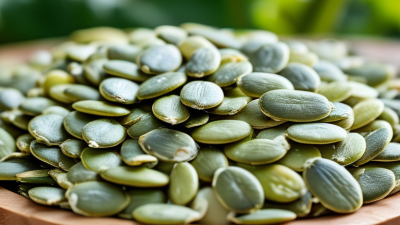
Hull-less seeds, often called pepitas, come from varieties bred to develop a very thin hull. The edible kernel looks green and can be eaten whole, making it convenient for salads, oatmeal, or a quick snack. “Hull-less” is not always literal; a delicate skin may remain. That distinction can be easy to miss in packaged or bulk seeds.
Nutrition depends on preparation and serving size. USDA FoodData Central reports about 30 grams of protein per 100 grams of dried pumpkin-seed kernels. That figure describes kernels, not necessarily whole seeds eaten with shells, and salted or oil-roasted products differ. The shells add texture, but may feel tough; choosing between types is partly a matter of how much cracking you want to do.
Major Pumpkin Varieties and Their Seeds
Pumpkin seeds differ in size, shell, and flavor according to the variety. Most carving pumpkins have flat, cream-colored seeds with firm outer hulls. Once cleaned and roasted, they turn crisp, though larger seeds may need extra cooking time. Pie pumpkins usually produce smaller seeds. Their flavor can be pleasantly nutty, but the seeds are not automatically sweeter.
Hull-less varieties, including many oilseed pumpkins, grow seeds with little or no hard outer shell. These green seeds are easy to eat whole and are often used for snacking or pressed for oil. Giant pumpkins can produce impressively large seeds, but size alone does not guarantee better flavor. The comparison is not always tidy: growing conditions and maturity affect seed quality, too. A damp, under-ripe seed may roast unevenly.
Tips: Scoop seeds from a fully mature pumpkin, rinse away the stringy pulp, and dry them well before roasting. For even browning, spread them in a single layer and stir once. Start checking early; small seeds can go from golden to scorched quickly.
Differences in Seed Size, Shape, and Color
Pumpkin seeds vary more than their familiar oval shape suggests. Most are flat, with one gently pointed end, but their length and width depend on the pumpkin variety and growing conditions. Some seeds look broad and plump; others are narrow and smaller. Small details matter. A seed’s size alone does not reliably identify its variety, since maturity and growing conditions can also affect how fully it develops.
Color often reflects whether you are looking at the whole seed or the kernel. Seeds with shells commonly have pale cream or white outer coats, while the kernel inside is green. Some pumpkin varieties produce hull-less seeds, which have a thin, papery covering and appear green without shelling. These kernels may look shorter or rounder than shelled seeds, though shape varies. Look closely. A faint stripe, a smooth surface, or a slightly curved edge can be more useful than color alone. Even then, appearance is not a perfect guide: different varieties can look remarkably alike, and photographs may shift colors under warm lighting.
How Seed Types Differ in Flavor and Use
Pumpkin seeds usually come in two forms: hull-on seeds and pepitas. Hull-on seeds are the familiar pale, flat seeds scooped from a pumpkin. Roasted, their shells turn crisp and their centers taste mild and nutty. The shell adds a chewy, fibrous bite, though some people prefer to crack it and eat the kernel inside. They work well as a simple snack, especially with a little oil and salt.
Pepitas are the green kernels without their pale outer shells. They may come from naturally hull-less pumpkin varieties or from seeds that have been shelled. Their texture is more tender, and their flavor is often richer and slightly buttery. Scatter them over soup or a salad, stir them into bread dough, or blend them into a coarse pesto. They also toast quickly, so watch the pan; a minute too long can make them taste bitter.
Preparation changes the flavor, too. Raw seeds are mild and soft, while dry-roasting brings out a deeper, toastier taste. Salted seeds can be satisfying on their own, but heavy seasoning may hide their delicate flavor. I find it tempting to treat every green seed as identical, yet size and freshness matter. A small handful can vary more than expected.
Pumpkin Seed Types: Flavor and Common Uses
A culinary comparison of seeds with their shells and hulled pepitas, served raw or roasted.
Scores use a qualitative 1–5 scale, not laboratory measurements. Roasting generally deepens toasted flavor; in-shell seeds have a tougher bite, while pepitas are convenient for toppings, baking, and cooking. Pepitas are hulled pumpkin seeds and may come from hull-less varieties or be removed from their shells.