What Are the Different Types of Walnuts for Buyers?
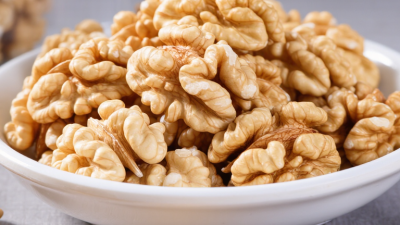
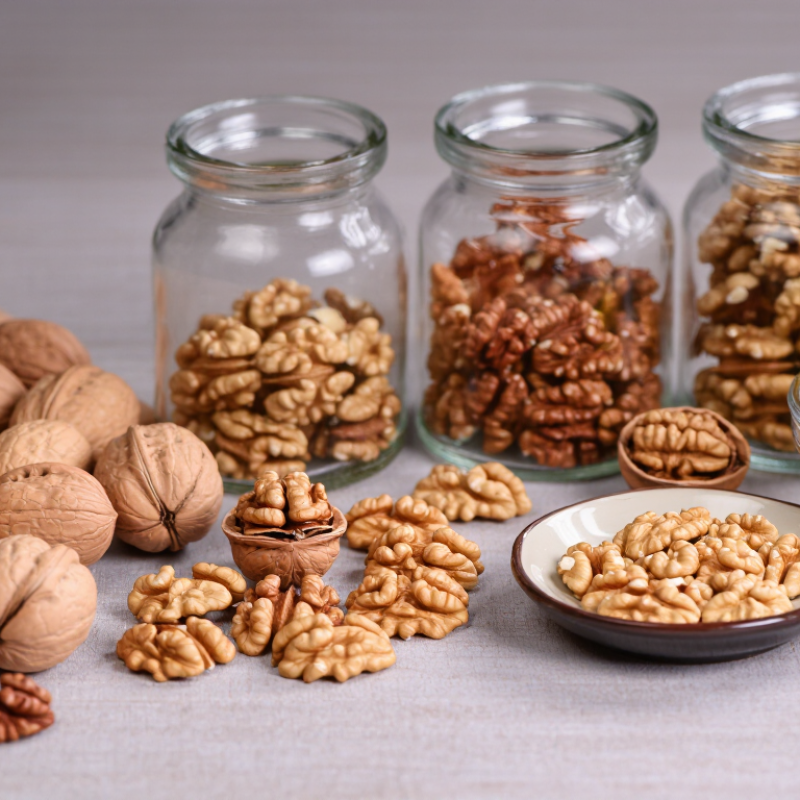
Walnuts are not one uniform buying category. For buyers, “type” can mean botanical variety, shell status, kernel grade, color, or processing form. Chandler kernels are widely traded for their light color and mild flavor, while Hartley and Howard walnuts may suit different shell-on or processing needs. The right choice depends on the job: baking, snacking, oil production, or retail display. Small details matter. A pale half looks different from an amber piece in a clear jar.
Reliable decisions start with traceable information. USDA Foreign Agricultural Service reports, including Tree Nuts: World Markets and Trade, track walnut production and trade across major origins. USDA National Agricultural Statistics Service reports document California crop estimates and provide useful context on supply. These reports do not replace lot-level checks: buyers should still confirm variety, size, color, moisture condition, defects, packaging, and harvest or packing dates. Compare like with like.
Bruce Lampinen, a University of California Cooperative Extension walnut specialist, provides an evidence-based perspective through his work on walnut production. A practical buyer’s-guide paraphrase of that perspective—not a verbatim quotation—is: “Match the walnut to its end use, then verify the lot.” Walnuts Lh buyers can use that rule when comparing in-shell nuts, halves, pieces, and grades. It is not perfect; supplier terminology can vary, so ask for written specifications and a representative sample before committing. A label alone is not enough.
How Walnuts Are Classified for Buyers
Walnuts are classified for buyers by species, form, size, and quality. Most retail and food-service walnuts are English, also called Persian, walnuts. They have a relatively mild flavor and are commonly sold shelled. Black walnuts taste stronger and more earthy. They are a distinct choice, not simply a darker grade. Check the product description carefully.
The form affects use and price. Whole halves look attractive on salads and baked goods, while large pieces suit toppings. Small pieces and walnut meal work well in fillings, sauces, and batters. In-shell walnuts are often sorted by size and shell condition. Shelled nuts may be graded by piece size, color, and visible damage. Grade names can vary between suppliers. These labels help, but they are not perfect.
For a reliable comparison, ask for the size range, crop year, storage conditions, and a sample when possible. Look for a clean, nutty smell; stale or paint-like odors can signal poor freshness. Color alone is not a dependable freshness test. A pale kernel may still taste flat, and a darker one may be sound. Specify whether you need uniform halves or simply good flavor, especially for large orders.
The Main Walnut Species and Their Origins
For buyers, “English” or “Persian” walnut usually means Juglans regia. Its historical range runs from southeastern Europe through Central Asia toward the western Himalayas; trade and cultivation carried it widely. The shell is often relatively thin, with a pale, mild-flavored kernel. Origins matter. Juglans nigra, the black walnut, is native to eastern North America. Its deeply ridged shell is harder to crack, and its kernel tastes more robust. Buyers may also encounter butternut, Juglans cinerea, a North American species with a softer, oily kernel, though it is less common in commercial channels.
Most export-market walnuts are English walnuts, but public production totals do not always separate species. USDA National Agricultural Statistics Service’s 2024 California Walnut Objective Measurement Report estimated a 670,000-ton crop. That figure describes California walnuts overall, not a species-by-species breakdown. California is a major growing region, while China, Chile, and parts of Europe also cultivate Juglans regia. Less common, though. Species names alone cannot confirm flavor or freshness: harvest timing, drying, storage, and cracking all matter. A pale kernel can still taste stale if it was stored poorly. Buyers should check the origin and harvest details where available, and compare samples when consistency matters.
Common Commercial Walnut Varieties
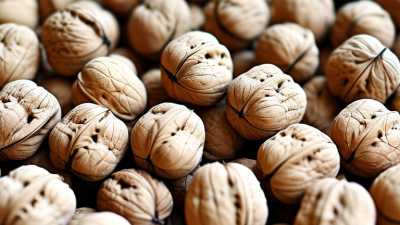
Commercial walnut buyers commonly encounter Chandler, Hartley, Howard, Tulare, and Serr. These are cultivars of the English walnut, Juglans regia, rather than separate walnut species. Chandler is widely traded for its large, relatively light kernels and good halves, making it useful for retail packs and baking. Hartley often has a rounded, attractive shell, so it may suit in-shell sales. Howard is another familiar commercial cultivar, with large nuts used in both kernel and in-shell markets. Appearance can vary.
Tulare and Serr are also grown commercially, particularly in California. Their harvest timing, nut size, shell traits, and kernel yield differ, but orchard conditions and handling affect the final lot too. Buyers should compare actual samples, not rely on cultivar names alone. Look at kernel color, breakage, moisture, and shell integrity under good lighting. A pale kernel may bring a different market response from a darker one, though color does not tell the whole quality story. Ask for the crop year and storage details. Small differences matter. Sometimes the sample tells a less tidy story than the specification sheet.
Walnut Forms, Shell Types, and Processing Options
Walnuts reach buyers in several forms: whole in-shell nuts, shelled halves, quarters, and smaller pieces. Whole nuts protect the kernels during handling, but shelling takes time and yields can vary. Shelled halves look attractive in bakery displays and gift mixes. Pieces suit granola, sauces, and baking, where shape matters less. Walnut meal offers a finer texture, though its natural oils can make it clump. That matters.
Shells are commonly described as hard or thin, sometimes called paper-shell. Thinner shells are easier to crack, but they may offer less protection during transport. Hard-shell nuts can be more work to open; buyers should check kernel yield rather than judge only by size. Shell color and surface marks can also vary. Appearance alone is not a reliable freshness test. A sound kernel should smell mild, not paint-like or bitter, and storage conditions should be checked.
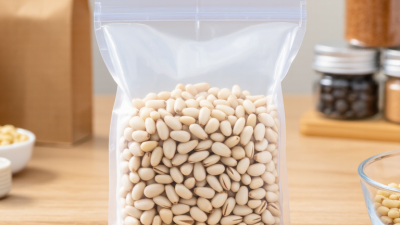
Processing options include raw, roasted, chopped, ground, and pressed into oil. Roasting deepens flavor, but excessive heat can dull delicate notes. Blanching removes the thin skin, which changes color and taste. Processing labels do not tell the whole story: ask about harvest date, moisture control, and packaging. A clear bag may help inspection, yet light and warm storage can shorten quality. These categories overlap, so buyers should match the form to the recipe and verify a sample when consistency matters.
How Buyers Match Walnut Types to Their Needs
Buyers match walnut types to the job, not just the name. English walnuts have a mild, buttery flavor and relatively thin shells, making them a flexible choice for snacks, baking, and salads. Black walnuts taste bolder, earthier, and slightly pine-like. Their strong flavor works well in brownies, breads, or savory sauces. They are not interchangeable. A delicate cake may suit English walnuts, while even a small handful of black walnuts can dominate it.
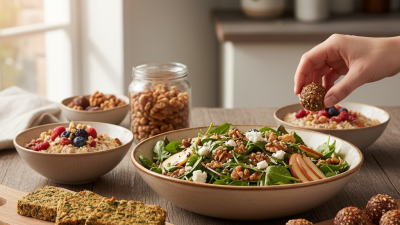
The intended use also guides the form to buy. Shelled halves are convenient for topping oatmeal or arranging on a cheese board; chopped pieces blend more evenly into batter. For frequent kitchen use, compare pack size, cut, and freshness rather than choosing on price alone. Check that kernels look full and smell clean, not stale or paint-like. Storage matters, too: keep opened nuts sealed and cool. I’d test a small amount first; even a sensible pairing can miss the mark.
Tips: Match flavor strength to the dish, then try a small batch. If you need consistent baking results, weigh the kernels instead of measuring by handful.