What is Goji Berries and Why Are They So Popular?
Goji berries, often hailed as a superfood, have gained immense popularity in recent years. These small, red fruits are not only appealing in appearance but also packed with nutrients. Rich in antioxidants, vitamins, and minerals, they are believed to boost overall health. Many health enthusiasts have embraced goji berries for their purported benefits, which include improved immune function and enhanced vitality.
The rise of goji berries reflects a growing trend toward natural wellness solutions. They have found their way into smoothies, energy bars, and even herbal teas. However, it's essential to approach their benefits with a balanced perspective. While numerous studies suggest potential health advantages, not all evidence is conclusive.
Sourcing high-quality goji berries is crucial for maximizing their nutritional value. Yet, the market can be overwhelming. Consumers need to be discerning about products to avoid misleading claims. As the fascination with goji berries continues, it's vital to remain informed and consider individual health needs.
Definition and Origin of Goji Berries
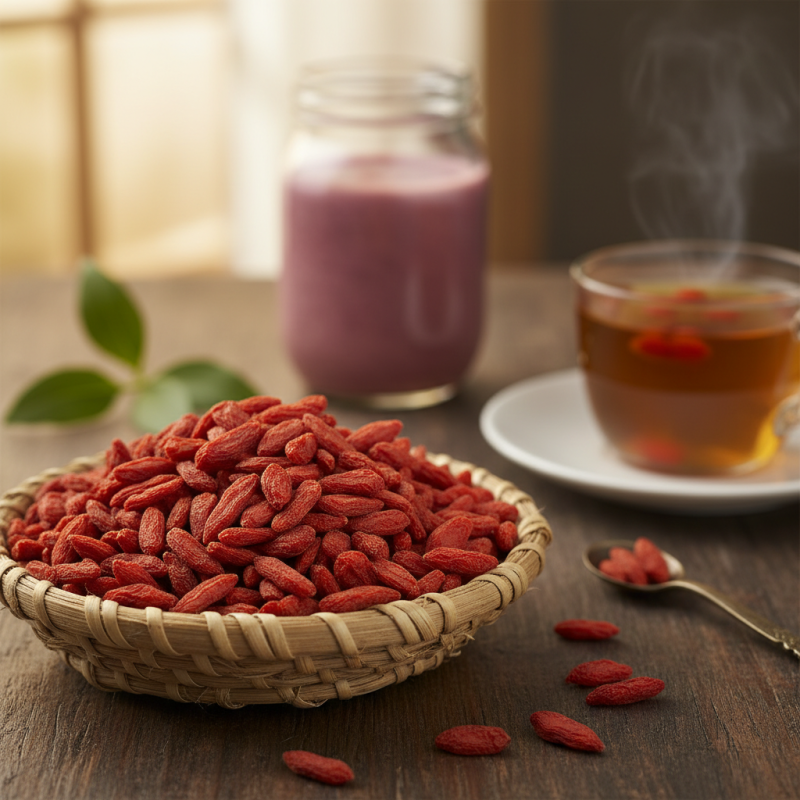
Goji berries, also known as wolfberries, are small, red, and sweet fruits. They originate from the Himalayas in Asia, particularly in China, Tibet, and Mongolia. Traditionally, they have been used in herbal medicine for centuries. The bright red color and unique, tangy flavor make them stand out among other berries.
These berries are rich in antioxidants, vitamins, and minerals, which contribute to their rising popularity. Many health enthusiasts praise them for boosting immunity and improving overall wellness. They are commonly found in dried form, but fresh goji berries can also be enjoyed when in season.
Tips: When purchasing goji berries, look for organic options. Dried berries should not contain added sugar or preservatives. Soaking them in water can enhance their flavor and texture. Incorporating goji berries into smoothies, oatmeal, or salads can add a nutritional boost to your meals.
Despite their benefits, goji berries may not be suitable for everyone. Some individuals might experience allergic reactions. It’s important to start with small quantities to assess your body’s response. Always consult healthcare professionals if unsure about adding new foods to your diet. Understanding both the advantages and potential drawbacks can enhance your health journey.
Nutritional Benefits and Health Properties of Goji Berries
Goji berries, often hailed as a superfood, have gained immense popularity for their nutritional benefits. These small red fruits are rich in antioxidants, vitamins, and minerals. According to a report by the International Journal of Food Sciences and Nutrition, goji berries contain significant amounts of vitamin C, B vitamins, and iron. A typical serving can offer up to 20% of the daily recommended intake of iron and numerous antioxidants.
Research indicates that goji berries may enhance immune function and support eye health. A study published in the journal Nutrients highlights their ability to protect against oxidative stress, a factor linked to various chronic diseases. However, not everyone may experience the same health benefits. Some individuals might find their digestive system reacts negatively to these berries. It’s essential to incorporate them mindfully into your diet and observe how your body responds.
Incorporating goji berries into smoothies or oatmeal can be beneficial, but moderation is crucial. Overconsumption could lead to unwanted side effects, like digestive discomfort. The overall impact of goji berries on health is still being studied. Ongoing research aims to establish clearer guidelines on their benefits and potential risks. This knowledge can help consumers make informed choices.
What is Goji Berries and Why Are They So Popular? - Nutritional Benefits and Health Properties of Goji Berries
| Nutritional Component |
Amount per 100g |
Health Benefits |
| Calories |
349 |
Energy source |
| Protein |
11g |
Muscle repair and growth |
| Carbohydrates |
77g |
Energy source |
| Dietary Fiber |
7g |
Digestive health |
| Vitamin C |
48mg |
Immune support |
| Iron |
6.8mg |
Oxygen transport in blood |
| Antioxidants (Zeaxanthin) |
High levels |
Eye health and protection from oxidative stress |
Culinary Uses and Popular Recipes Featuring Goji Berries
Goji berries, with their vibrant red color, are not just nutritious. They add a unique flavor to various dishes. Many people use them in smoothies. Blending them with spinach, bananas, and almond milk creates a tasty yet healthy drink.
In baking, they shine brightly in muffins and energy bars. Their chewy texture complements nuts and oats. Adding goji berries to oatmeal boosts the dish's nutritional profile. They offer a sweet and slightly tart flavor, making breakfast more exciting.
Though popular, incorporating goji berries can sometimes lead to mixed results. Some find them too sweet. Others dislike their texture when cooked. Experimenting with the right balance is key. With practice, these berries can elevate any culinary creation.
Cultural Significance and Historical Uses in Traditional Medicine
Goji berries, also known as wolfberries, have a rich history in traditional medicine. Originating in China, these small, red fruits are valued for their nutritional properties. For centuries, they have been used in herbal remedies to promote wellness. People believed they could support eye health, boost immunity, and improve energy levels.
In Chinese culture, goji berries are often included in teas and soups. Traditional healers recommend them for nourishing the liver and kidneys. They are sometimes called a "superfood" due to their high antioxidant content. Despite the acclaim, scientific evidence is still emerging.
While goji berries have gained popularity, they are not a cure-all. Over-reliance on them can overshadow the importance of a balanced diet. Individuals should approach their consumption with a critical mindset. Using them as part of a diverse diet may be more beneficial than consuming them solely for their reputation. This fruit holds cultural significance, but moderation is key.
Goji Berries: Nutritional Values and Health Benefits
Goji berries are renowned for their rich nutritional profile, making them a popular choice for those seeking health benefits. This chart illustrates the key nutrients found in goji berries, highlighting their Vitamin C, Vitamin A, Iron, Fiber, and Protein content, which contribute to their status as a superfood.
Current Trends and Market Demand for Goji Berries
Goji berries have gained immense popularity in recent years. Their reputation as a superfood has made them a staple in health circles. This small, red fruit is rich in vitamins, minerals, and antioxidants, making them appealing to consumers seeking natural health solutions. People appreciate their versatility, often incorporating them into smoothies, salads, and snacks.
Market demand for goji berries is on the rise. Health-conscious consumers are driving this trend. Many are seeking organic and sustainably sourced products. The wellness industry is buzzing with information about the benefits of goji berries. Yet, some consumers may question the authenticity of these claims. Misinformation can be widespread, making it important to look for reliable sources.
Despite their popularity, challenges exist in the goji berry market. Import regulations and quality control issues can impact availability. Additionally, not all products labeled as goji berries meet the same standards. This inconsistency can frustrate customers. As consumers, practicing discernment is key in navigating the expanding market.