What is the Nutritional Value of Pumpkin Seeds Kernels?
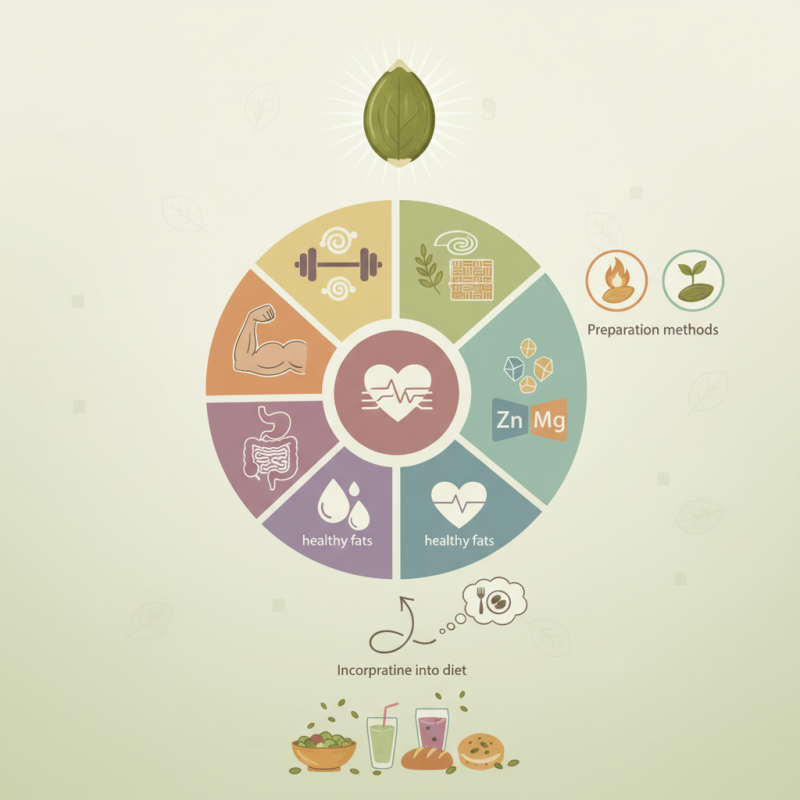
When exploring the world of superfoods, **Pumpkin Seeds Kernels** often emerge as a standout option. These tiny seeds pack a nutritional punch that few can match. Rich in essential nutrients, they are a great source of magnesium, zinc, and healthy fats. Incorporating **Pumpkin Seeds Kernels** into your diet can be both delicious and beneficial.
Despite their small size, **Pumpkin Seeds Kernels** contribute significantly to overall health. They offer protein and fiber, supporting muscle health and digestion. However, many might overlook them in favor of more mainstream health foods. This presents an opportunity for reevaluation. How often do we consider adding these versatile seeds to our meals?
Moreover, the preparation of **Pumpkin Seeds Kernels** can vary, and this affects their nutritional value. Roasting can enhance flavor but may reduce some nutrients. As you experiment with this superfood, it’s crucial to be mindful of these factors. The journey of incorporating **Pumpkin Seeds Kernels** can be both enlightening and rewarding, encouraging a broader perspective on nutrition.
Nutritional Composition of Pumpkin Seed Kernels
Pumpkin seed kernels, also known as pepitas, are highly regarded for their rich nutritional profile. They contain a remarkable balance of macronutrients. Approximately 30 grams of pumpkin seeds provide around 153 calories, 7 grams of protein, and 13 grams of healthy fats. This composition makes them a powerhouse of nutrition, suitable for a variety of diets.
In terms of micronutrients, pumpkin seeds are especially rich in magnesium and zinc. A study published in the Journal of Food Science highlights that 30 grams of pumpkin seeds can deliver nearly 40% of the Recommended Dietary Allowance (RDA) for magnesium. Additionally, they are an excellent source of phosphorus, providing approximately 33% of the RDA. These minerals play crucial roles in bone health and immune function, making pumpkin seeds a valuable addition to any diet.
However, while pumpkin seeds have many health benefits, portion control is essential. Overconsumption can lead to excessive calorie intake. They also contain anti-nutrients like phytic acid, which may inhibit mineral absorption. Balancing pumpkin seeds with other food sources can ensure you reap their benefits without potential downsides. Incorporating them into meals can enhance both flavor and nutrition, but mindfulness is key.
Vitamins and Minerals Found in Pumpkin Seeds
Pumpkin seeds, or kernels, are small but packed with nutrients. They are a fantastic source of several essential vitamins and minerals. These include magnesium, zinc, iron, and vitamin K. Magnesium supports muscle and nerve function, while zinc is crucial for immune health. Iron is vital for blood production, and vitamin K plays a key role in bone health.
Including pumpkin seeds in your diet can enhance your nutrient intake. A handful of these seeds provides a significant portion of your daily magnesium needs. They also contain antioxidants, promoting overall health. When snacking on pumpkin seeds, consider roasting them lightly. This can enhance their flavor while retaining essential nutrients.
Tips: Pair pumpkin seeds with fruits for a balanced snack. Adding them to salads can boost nutrition without overwhelming flavors. They are versatile and can be incorporated into smoothies, yogurt, or even baked goods. Remember, moderation is key. Overeating, even healthy foods, can lead to unwanted weight gain. Reflect on how you enjoy pumpkin seeds and adjust accordingly.
Health Benefits Associated with Pumpkin Seed Consumption
Pumpkin seeds, also known as pepitas, offer numerous health benefits that make them a worthy addition to any diet. Rich in magnesium, a recent report by the National Institutes of Health indicated that just a 1-ounce serving contains about 37% of the daily recommended intake of this essential mineral. Magnesium supports over 300 biochemical reactions in the body, like muscle function and energy production.
These seeds are also a great source of antioxidants. Studies show that their high content of vitamin E and phenolic acids can reduce oxidative stress, which is linked to chronic diseases. Consuming pumpkin seeds regularly may improve heart health and reduce inflammation. Moreover, they are packed with zinc, crucial for immune health. An abundance of research highlights the connection between zinc intake and enhanced immune function, particularly during cold seasons.
**Tip:** Try adding a handful of pumpkin seeds to your morning smoothie or salad for extra crunch.
Be mindful of portion sizes. While pumpkin seeds are healthy, they are also calorie-dense. It’s easy to overindulge. A controlled serving can provide essential nutrients without excessive calories. Additionally, consider raw or roasted versions without added salt for a healthier option. Always strive for balance in your diet.
What is the Nutritional Value of Pumpkin Seeds Kernels? - Health Benefits Associated with Pumpkin Seed Consumption
| Nutritional Component |
Amount per 100g |
Health Benefits |
| Calories |
559 kcal |
Energy source, supports weight management |
| Protein |
30 g |
Muscle repair, support immune function |
| Fat |
49 g |
Healthy fats promote heart health |
| Carbohydrates |
16 g |
Provides energy and essential nutrients |
| Fiber |
18 g |
Aids digestion, promotes satiety |
| Magnesium |
592 mg |
Supports muscle and nerve function |
| Zinc |
7.81 mg |
Boosts immune health and wound healing |
| Iron |
4.22 mg |
Essential for red blood cell production |
| Antioxidants |
Various compounds |
Protects cells from oxidative stress |
Comparison of Pumpkin Seeds with Other Nut and Seed Options
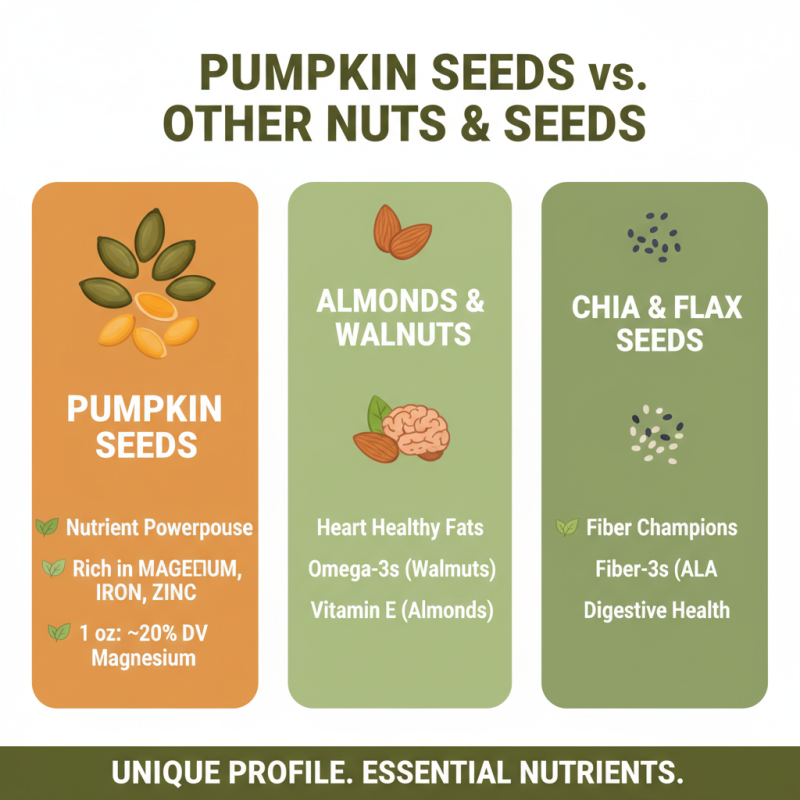
When comparing pumpkin seeds to other nuts and seeds, they stand out for their unique nutritional profile. Rich in magnesium, iron, and zinc, pumpkin seeds offer substantial health benefits. One ounce of pumpkin seeds can provide nearly 20% of the recommended daily intake of magnesium. This mineral is essential for numerous bodily functions, including muscle and nerve function.
In contrast, almonds and walnuts shine in healthy fat content. Almonds provide a more significant dose of vitamin E, while walnuts are renowned for their omega-3 fatty acids. However, pumpkin seeds boast a higher protein content. They contain about 9 grams of protein per ounce, complementing a plant-based diet effectively. If you seek diversity in your nutrient intake, each option has its strengths and weaknesses.
There can be challenges with pumpkin seeds, such as their higher calorie count compared to sunflower seeds. Moderation is key. Raw options might offer more enzymes, but toasted seeds can enhance flavor. Personal preference often drives selection. Balancing taste with nutrition can lead to better choices, especially when snacking. Each nut and seed has advantages, and understanding these can help in pursuing a healthy diet.
Culinary Uses and Storage Tips for Pumpkin Seed Kernels
Pumpkin seed kernels are versatile and nutritious. They can enhance many dishes with their nutty flavor.
Sprinkle them on salads for added crunch. They also work well in baked goods, like bread or muffins. Pumpkin seeds can be ground into a flour for gluten-free recipes. Their high protein content makes them a great addition to smoothies.
When storing pumpkin seed kernels, keep them in an airtight container. A cool, dry place is ideal. Proper storage helps maintain their fresh taste. For longer shelf life, consider refrigerating or freezing them. However, monitor for any signs of rancidity.
Experimenting with pumpkin seeds can lead to delightful surprises. They can be roasted and seasoned for a tasty snack. Yet, not everyone likes their strong flavor. Balancing pumpkin seeds with other ingredients can help. Finding the right combinations takes time and practice.