What is the Nutritional Value of Walnuts In Shell?
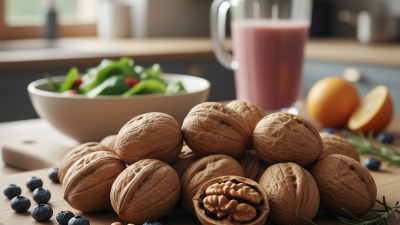
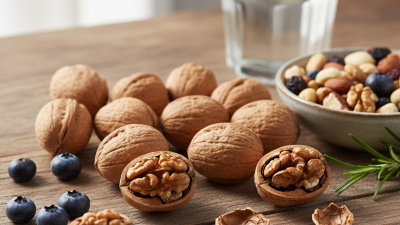
Walnuts in shell are a popular snack choice, known for their rich flavor and crunchy texture. These nuts are not just tasty; they pack a powerful nutritional punch. Packed with healthy fats, protein, and essential vitamins, walnuts in shell offer numerous health benefits. The complexity of their nutrient profile contributes to heart health and brain function, making them an excellent addition to your diet.
Moreover, walnuts in shell are a source of antioxidants, which help combat oxidative stress. Eating these nuts may improve overall health. However, they can be calorie-dense, so moderation is key. It is important to be mindful of portion sizes when incorporating walnuts into your meals or snacks.
Understanding the nutritional value of walnuts in shell can help you make informed dietary choices. By examining their benefits and potential drawbacks, you empower yourself to enhance your diet wisely. Each serving delivers a blend of nutrients that support various aspects of health. But don't forget to consider individual dietary needs as you enjoy this nutritious snack.
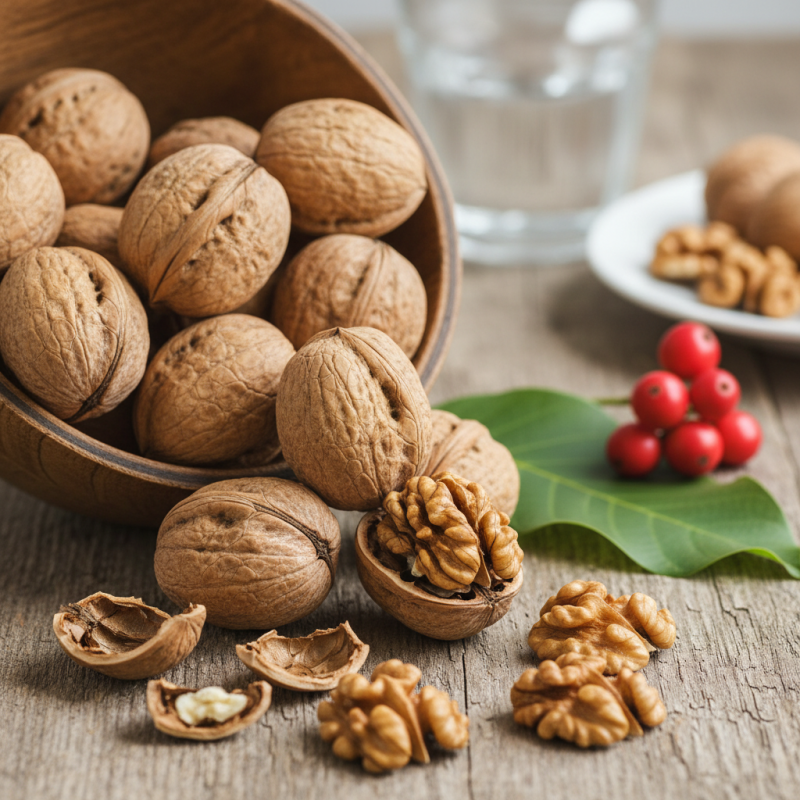
Nutritional Composition of Walnuts In Shell
Walnuts in their shells are not just a tasty snack; they pack a significant nutritional punch. These nuts are a rich source of healthy fats. Around 65% of the total fat in walnuts is polyunsaturated fat, including omega-3 fatty acids. These fats support heart health and reduce inflammation. A serving of walnuts provides about 18 grams of fat, making them a calorie-dense option.
In terms of vitamins and minerals, walnuts are particularly high in vitamin E, magnesium, and antioxidants. For instance, just a handful can contribute to your daily intake of these essential nutrients. The high levels of antioxidants help combat oxidative stress. This is crucial for maintaining overall health and promoting longevity. They also provide fiber, contributing to digestive health.
However, it's essential to consume walnuts in moderation. Overeating nuts can lead to excessive calorie intake, which may not support weight management goals. Additionally, some people may have nut allergies, making walnuts unsuitable for them. It's always good to consider personal health conditions before adding new foods to your diet.
Nutritional Value of Walnuts In Shell
This bar chart illustrates the nutritional composition of walnuts in shell per 100 grams. Rich in healthy fats and a good source of protein, walnuts also provide dietary fiber and various vitamins and minerals.
Health Benefits Associated with Walnut Consumption
Walnuts are nutrient-dense nuts that provide numerous health benefits. They are rich in omega-3 fatty acids, which are essential for heart health. These healthy fats support cholesterol levels and reduce inflammation. Regular walnut consumption may lower the risk of heart disease. They also help improve brain function due to their high antioxidant content.
In addition, walnuts contain vitamins and minerals like vitamin E, magnesium, and copper. Vitamin E is vital for skin health, while magnesium supports bone strength. Copper plays a role in forming red blood cells. Eating walnuts can also enhance gut health because they are a good source of fiber.
However, moderation is key. Walnuts are calorie-dense. Overeating can lead to weight gain. It's essential to include them in a balanced diet. While they are beneficial, individuals may need to consider their dietary restrictions or allergies. Each person’s health journey is unique. Listening to your body helps in making the right choices.
Comparison of Walnuts with Other Nuts
When comparing walnuts in shell with other nuts, it’s important to consider their distinct nutritional profile. Walnuts are rich in omega-3 fatty acids, which are crucial for heart health. They offer more antioxidants than most nuts, providing a protective effect against oxidative stress. This makes them stand out among their counterparts like almonds and cashews.
In terms of protein, walnuts deliver a good amount, though not as high as peanuts or pistachios. They contain essential vitamins and minerals, such as magnesium and vitamin E. These nutrients play a significant role in maintaining a balanced diet. However, walnuts have a higher fat content, which can lead to overconsumption if not monitored.
Comparatively, almonds may have fewer calories and more fiber, while walnuts excel in healthy fat content. Understanding these differences helps individuals make informed choices. It’s essential to reflect on personal health goals and dietary needs when selecting nuts. Each nut has its own strengths and potential drawbacks. Ultimately, incorporating a variety of nuts may provide the best nutritional benefits.
What is the Nutritional Value of Walnuts In Shell? - Comparison of Walnuts with Other Nuts
| Nutrient |
Walnuts (Per 100g) |
Almonds (Per 100g) |
Pistachios (Per 100g) |
Cashews (Per 100g) |
Hazelnuts (Per 100g) |
| Calories |
654 |
576 |
562 |
553 |
628 |
| Protein (g) |
15.2 |
21.2 |
20.6 |
18.2 |
14.1 |
| Fat (g) |
65.2 |
49.9 |
45.3 |
43.9 |
60.8 |
| Carbohydrates (g) |
13.7 |
21.6 |
27.2 |
30.2 |
17.0 |
| Fiber (g) |
6.7 |
12.5 |
10.3 |
3.3 |
9.7 |
| Omega-3 Fatty Acids (g) |
9.1 |
0.0 |
0.0 |
0.0 |
0.1 |
Recommended Serving Sizes and Dietary Considerations
Walnuts in their shell are a powerhouse of nutrition. They are rich in omega-3 fatty acids, which are essential for heart health. A one-ounce serving, about 14 halves, contains approximately 185 calories. This serving size also provides 18 grams of fat, primarily healthy unsaturated fats. Regular consumption may lower cholesterol levels and reduce inflammation.
The American Heart Association recommends consuming nuts like walnuts regularly. A handful each day can be beneficial. Yet, moderation is key. Excessive intake can lead to weight gain. A study from the Journal of Nutrition indicates that those who eat nuts in moderation often have better overall health profiles.
Consider dietary restrictions as well. Those with nut allergies should avoid walnuts entirely. It's important to note that walnut shells are not edible. Monitoring portion sizes is crucial for maintaining a balanced diet. Overall, walnuts offer great benefits, but awareness of serving sizes and individual health conditions is essential.
Potential Allergies and Risks of Eating Walnuts In Shell
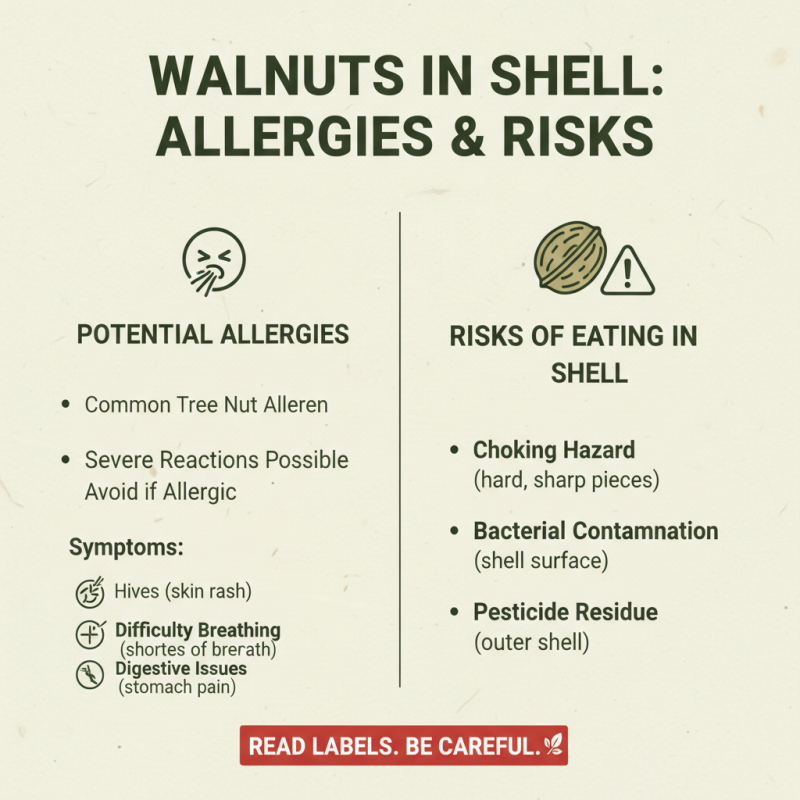
Eating walnuts in their shells can be a nutritious snack, but there are potential allergies and risks to be mindful of. Walnuts are a common allergen, especially among those with tree nut allergies. Even a small amount can trigger a severe reaction. Symptoms may include hives, difficulty breathing, or digestive issues. It’s crucial for individuals with such allergies to avoid walnuts altogether.
Another factor is the risk of contamination. Walnuts can harbor mold, particularly aflatoxin, which is harmful to health. This mold grows on nuts stored improperly or for extended periods. Always check for signs of mold before consuming. It’s best to choose fresh, well-stored walnuts to reduce the risk.
If you're unsure about your sensitivity to walnuts, consider consulting a medical professional. Allergies can develop at any age, even if you previously consumed walnuts without issue. Being aware of these risks ensures that enjoying walnuts doesn't come at a cost to your health.