How to Source Quality Wolf Berries for Global Trade?
Wolf Berries, also known as goji berries, have captured global attention for their numerous health benefits. These vibrant red berries are rich in antioxidants and essential nutrients. Sourcing quality Wolf Berries is crucial for competitive trade. However, the process can be complex.
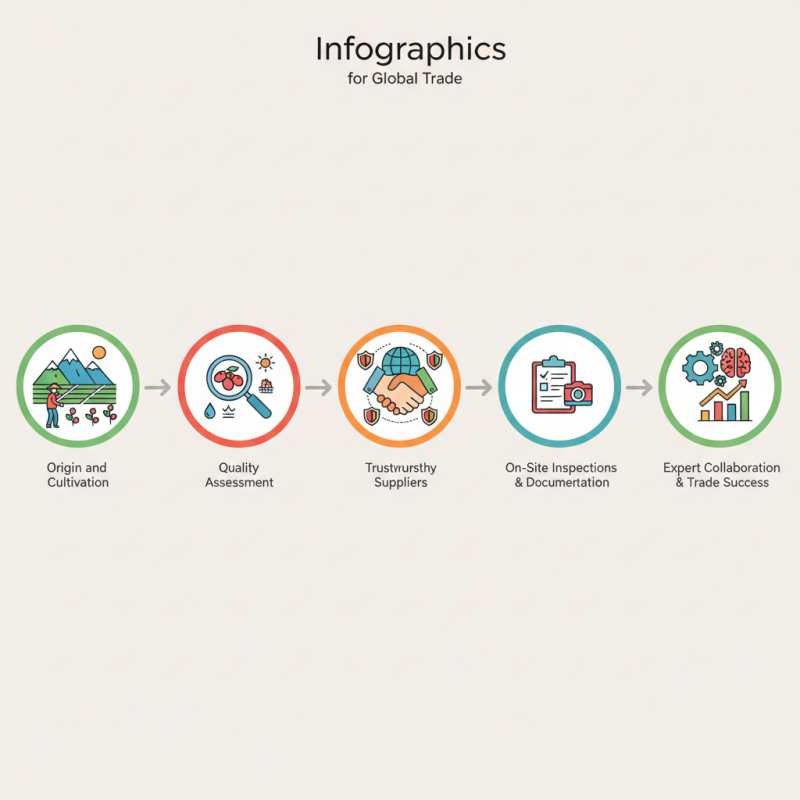
Ensuring high quality begins with understanding the origin. Farmers in regions such as China and Mongolia cultivate these berries under specific conditions. The methods used significantly impact the final product. Quality can vary based on growth practices and harvesting techniques. It’s important to build relationships with trustworthy suppliers.
Challenges often arise in sourcing, like fluctuating prices and inconsistent quality. Conducting on-site inspections can reveal a lot about the harvest process. Documenting your findings ensures reliability. Collaborating with experts in the industry also enhances your sourcing strategy. A thoughtful approach can make a significant difference in trade success.
How to Identify Quality Wolf Berries in Sourcing Processes
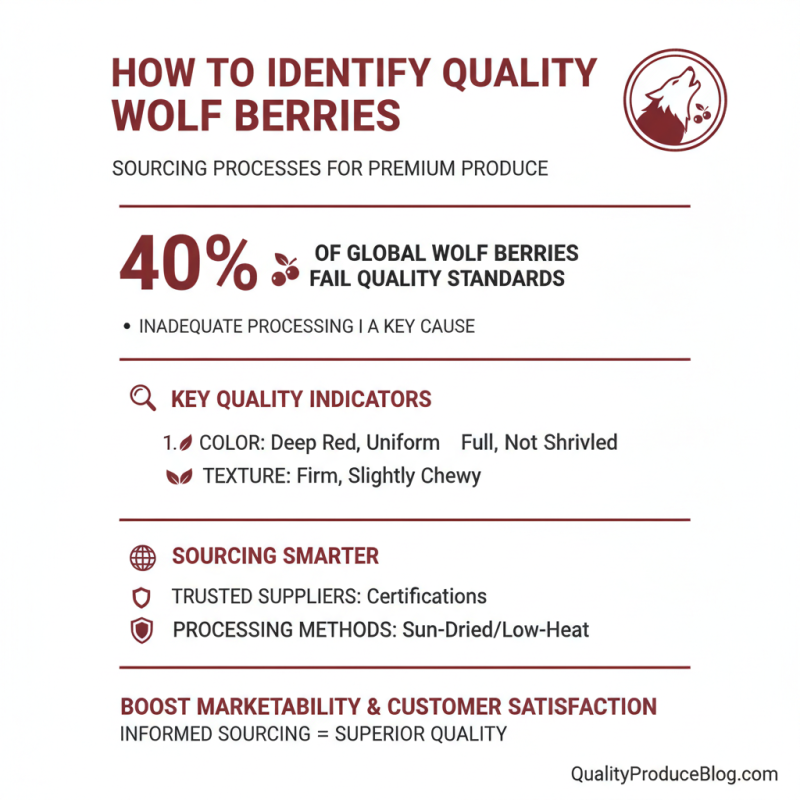
Identifying quality wolf berries during sourcing processes requires an informed approach. Quality impacts not only marketability but also customer satisfaction. Research indicates that 40% of wolf berries sold globally fail to meet quality standards for various reasons, including inadequate processing methods.
Visual assessment is key in the evaluation process. High-quality wolf berries should have a vibrant color, typically a bright red or orange hue. Their size should be consistent, with a plump, firm texture. It’s intriguing that studies show berries below a certain weight often have less nutritional value, specifically lower antioxidants.
Testing for moisture content is crucial. Moisture levels above 15% can lead to spoilage. Proper drying methods can prevent this issue, but many suppliers lack these techniques. Additionally, chemical testing for pesticide residues is important. Reports have indicated that up to 25% of imported wolf berries exceed acceptable pesticide levels. These factors highlight the need for thorough sourcing practices, emphasizing the importance of training for quality assessors in this trade.
Understanding the Nutritional Profile and Benefits of Wolf Berries
Wolf berries, also known as goji berries, have gained popularity due to their impressive nutritional profile. Rich in antioxidants, they contain vitamins A and C, as well as essential minerals like iron and zinc. A study published in the Journal of Nutritional Biochemistry highlights that just 28 grams of dried wolf berries can provide more vitamin C than an orange. This fruit is prized for its potential to boost immune function and promote skin health.
The health benefits extend beyond just vitamins. Research indicates that wolf berries may help in managing blood sugar levels and reducing inflammation. According to a report from the Institute of Food Technologists, these berries were found to possess anti-diabetic properties in preliminary studies. They are also known to support eye health, thanks to their beta-carotene content. However, sourcing quality wolf berries can be challenging, leading to inconsistencies in nutritional content.
Despite their benefits, it is vital to ensure that the sources are reliable. There have been concerns regarding the authenticity of wolf berries in the market. Some products may mix them with other berries, diluting their nutritional value. Conducting thorough research and seeking transparency from suppliers is crucial. Look for certifications that verify product quality and traceability, fostering trust in your sourcing decisions.
Evaluating Global Markets and Demand Trends for Wolf Berries
Wolf berries, known for their nutritional benefits, are becoming increasingly popular in global markets. The demand for these berries has surged, especially in health-conscious regions. Consumers seek out products rich in vitamins and antioxidants. Therefore, understanding market trends is crucial for sourcing quality wolf berries.
Evaluating market trends requires careful analysis. Emerging markets show a growing interest in superfoods. Countries in Asia and Europe report rising sales of wolf berries. Discrepancies in quality can exist between regions. It's essential to ensure the sourcing process maintains high standards. Transparency in sourcing practices builds trust with consumers.
While the demand is promising, potential challenges arise. Sourcing wolf berries can be complicated by seasonal fluctuations. Additionally, differing regulations across countries can affect trade. Monitoring these factors is important to stay competitive. Understanding both the opportunities and obstacles allows businesses to make informed decisions in the global marketplace.
Establishing Reliable Supply Chains for Sustainable Wolf Berry Trading
Sourcing quality wolf berries for global trade requires a reliable supply chain. Establishing partnerships with farmers is crucial. These farmers should follow sustainable practices. This ensures the berries are not only high quality but also environmentally friendly. Regular audits and checks can help in maintaining standards. Building trust within these networks is essential.
Communication is key in these partnerships. Sharing knowledge about cultivation techniques can improve product quality. However, challenges often arise. Fluctuating prices and supply chain disruptions can threaten stability. A proactive approach is necessary. Diversifying suppliers can mitigate risks. This strategy allows traders to respond better to market changes.
Logistics play a significant role in the wolf berry trade. Efficient transportation ensures berries reach markets fresh. Collaborating with logistics experts can streamline this process. However, it's important to evaluate these partnerships regularly. Performance reviews can identify areas needing improvement. A flexible mindset is vital for adaptation. Each step in the supply chain impacts overall success. Continuous reflection allows for better decision-making.
Global Trade of Wolf Berries: Sourcing Quality Over Time
This bar chart illustrates the sourcing quality of wolf berries from various regions over the past five years. The data reflects the average quality scores based on factors such as cultivation practices, harvesting methods, and market demand.
Quality Assurance Standards for Wolf Berries in International Markets
When sourcing wolf berries for global trade, adhering to quality assurance standards is crucial. International markets demand high criteria for food safety and quality. According to the International Trade Centre, over 75% of buyers prioritize quality assurance certifications when sourcing products. This highlights the importance of implementing robust quality control measures.
Quality assurance involves adhering to specific standards. These can include testing for contaminants and verifying the nutritional profile of wolf berries. The Codex Alimentarius sets guidelines that many countries use. Ensuring your product meets or exceeds these standards is essential. It can significantly enhance marketability. A study revealed that products certified by recognized bodies increase consumer trust and sales by nearly 30%.
Failing to meet these standards can lead to product recalls. More than 20% of imported food products face compliance issues annually. This emphasizes the need for rigorous quality checks. Regular audits and testing should be part of your sourcing strategy. A proactive approach ensures your wolf berries meet the market's strict regulations. Balancing quality and cost can be challenging but is necessary for long-term success in global trade.