Why Are Raisins So Popular in Global Trade?
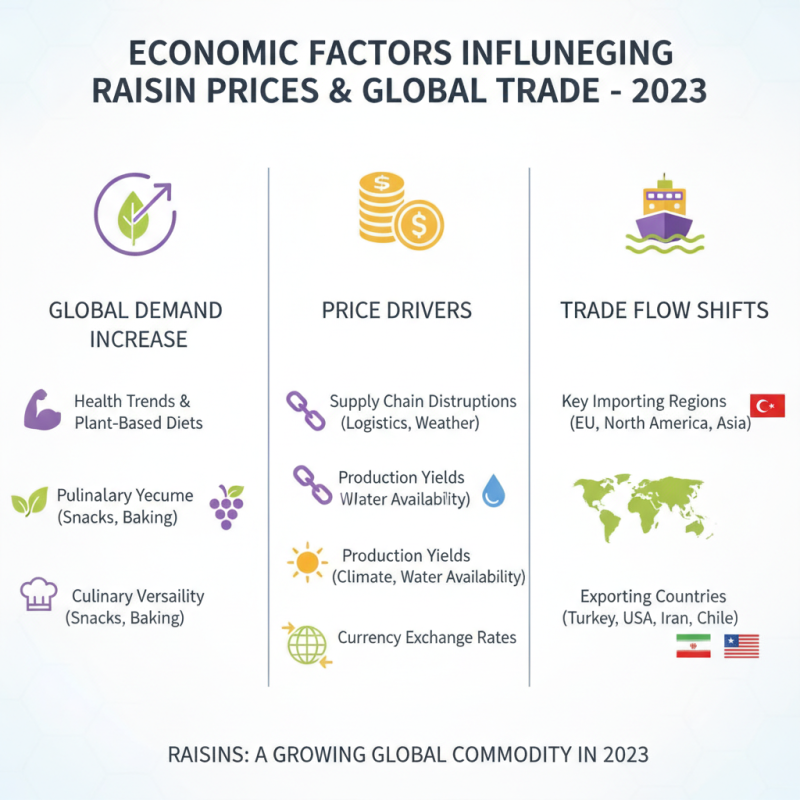
Raisins have carved out a significant niche in global trade, valued for their sweetness and nutritional benefits. According to the International Nut and Dried Fruit Council, the global raisin market was estimated at over $2 billion in 2022. The rising demand for healthy snacks drives this growth, as consumers increasingly seek nutritious alternatives.
Industry expert Dr. Emily Waters highlights, "Raisins not only provide natural sweetness but also essential minerals." This reflects the growing recognition of raisins as a healthful choice. Furthermore, their long shelf life and versatility make them a favorite ingredient in various culinary traditions worldwide.
Despite their popularity, the raisin industry faces challenges. Climate change impacts crop yields, affecting supply and prices. Sustainability practices are being reevaluated to ensure long-term viability. The fluctuating demand in emerging markets also warrants attention. As the raisin industry evolves, adapting to these factors will be crucial for maintaining its position in global trade.
The Historical Significance of Raisins in Global Trade
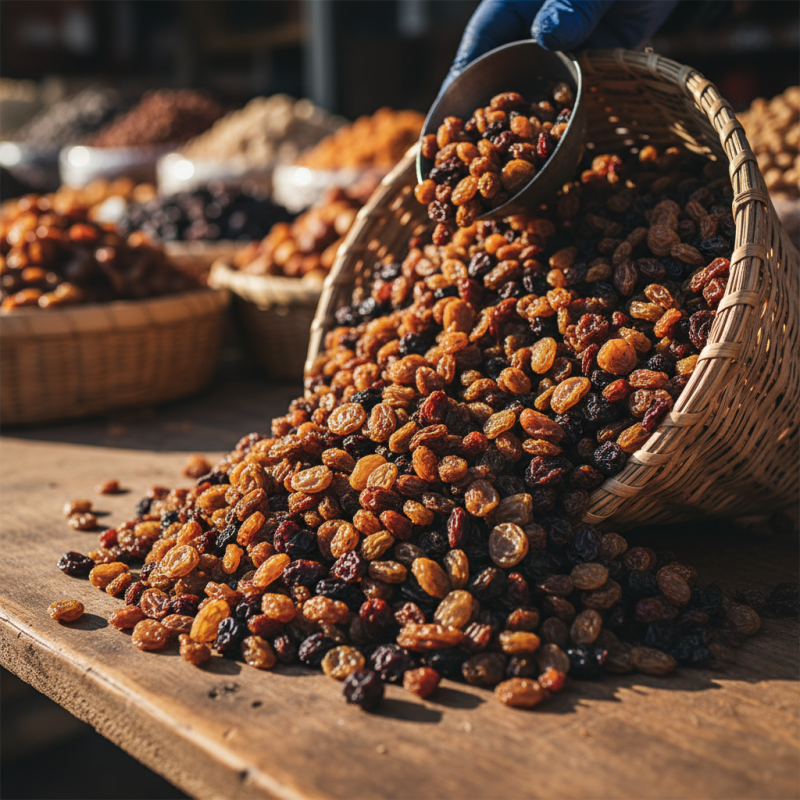
Raisins have played a vital role in global trade for centuries. Historically, they were prized for their long shelf life and nutritional benefits. Ancient civilizations, including the Egyptians and Greeks, traded raisins as valuable commodities. They served not only as food but also as a symbol of wealth and prosperity. This dual purpose made them highly sought after in bustling trade markets.
In medieval times, raisins became a staple for many cultures. Their ability to preserve energy during long journeys made them essential for explorers and traders. Many merchants relied on them as a source of sustenance. However, the popularity of raisins was not without its challenges. Mismanagement in harvesting or storage could spoil the entire batch. Variability in quality also affected their market price. These fluctuations remind us of the unpredictability inherent in agricultural trade.
Today, raisins continue to connect different regions and cultures. Markets across the globe still flourish with this dried fruit. However, the reliance on consistent quality remains an area for reflection. While they are embedded in culinary traditions, consumers now desire ethically sourced products. This shift reflects a growing awareness of sustainable practices. As the trade evolves, raisins will undoubtedly face new challenges and opportunities.
Major Raisin-Producing Countries and Their Impact on Global Markets
Raisins have become a staple in global trade, largely due to several key producing countries. The top three include the United States, Turkey, and Iran. These countries contribute significantly to the overall supply. According to the Food and Agriculture Organization (FAO), the global production of raisins reached approximately 1.2 million metric tons in recent years.
The U.S. is notable for its high-quality raisins, primarily from California. It accounted for nearly 50% of world export volume. Turkey, on the other hand, produces lower-cost raisins, focusing on the sultana variety. Their production levels approximated 240,000 metric tons last year, emphasizing bulk supply. Iran, producing about 170,000 metric tons, is also gaining market traction, especially in Asia and Europe.
The dynamics of raisin trade are shifting. Major markets are experiencing fluctuating demands. Data from industry reports show that consumer preferences lean towards organic options. This trend presents challenges for traditional growers who may struggle to meet these evolving demands. As a result, some producers are now considering sustainable practices, but success varies widely across regions. The market is in a constant state of adaptation.
Market Trends: Demand and Export Statistics for Raisins Worldwide
Raisins have gained immense popularity in global trade due to their unique qualities and health benefits. Recent market trends show a steady rise in demand for these dried fruits. Countries such as the United States, Turkey, and Iran dominate the export sector, contributing significantly to the overall production. In 2022, global raisin exports reached over 300,000 tons, indicating a robust market.
Health-conscious consumers drive raisin consumption. Rich in vitamins and minerals, they serve as a versatile snack option. The rising health awareness has led to increased usage in baked goods and cereals. Specialty markets are emerging, offering organic and flavored raisins. The expansion of online retail is also notable. Consumers can easily access a variety of products from around the world.
Tip: When incorporating raisins into your diet, consider portion sizes. A small handful can provide energy without excess calories.
Despite their popularity, some challenges exist. Quality control during production can vary. Factors like climate change may affect grape yields, impacting the supply of raisins. As consumers, it’s essential to support brands that prioritize sustainable practices.
Tip: Always check sources when purchasing raisins. Ensure they meet quality expectations.
Why Are Raisins So Popular in Global Trade? - Market Trends: Demand and Export Statistics for Raisins Worldwide
| Country |
Export Volume (tons) |
Export Value (USD million) |
Market Share (%) |
Year-on-Year Growth (%) |
| United States |
200,000 |
650 |
25 |
5 |
| Turkey |
150,000 |
500 |
20 |
3 |
| Iran |
100,000 |
350 |
15 |
4 |
| Greece |
80,000 |
250 |
10 |
6 |
| Chile |
60,000 |
200 |
8 |
7 |
Health Benefits of Raisins Driving Consumer Demand and Trade
Raisins have surged in popularity due to their impressive health benefits. These dried fruits are rich in antioxidants, vitamins, and minerals. According to the International Nut and Dried Fruit Council (INC), the global raisin market has shown a steady annual growth. In 2022, the market reached approximately $1.2 billion. This increasing consumer demand stems from the rising awareness of healthier snacking options.
Studies indicate that raisins can help in various health aspects. They are proven to support digestion, thanks to their high fiber content. Additionally, they may aid in heart health by lowering blood pressure. One report highlights that 67% of consumers look for nutritious snacks. This trend aligns with the popularity of plant-based diets. However, there is still a need for more research on the long-term health effects of consuming raisins in large quantities.
As consumer behavior shifts, more people are seeking natural and nutritious foods. Raisins fit perfectly into this trend. However, the market faces challenges, such as the risk of over-reliance on a single crop. Weather conditions can impact production and supply chain stability. This unpredictability may affect availability and pricing in the future. Therefore, while the demand for raisins is on the rise, careful management of resources is crucial.