How to Source Pine Nut Kernels at 2026 Canton Fair?
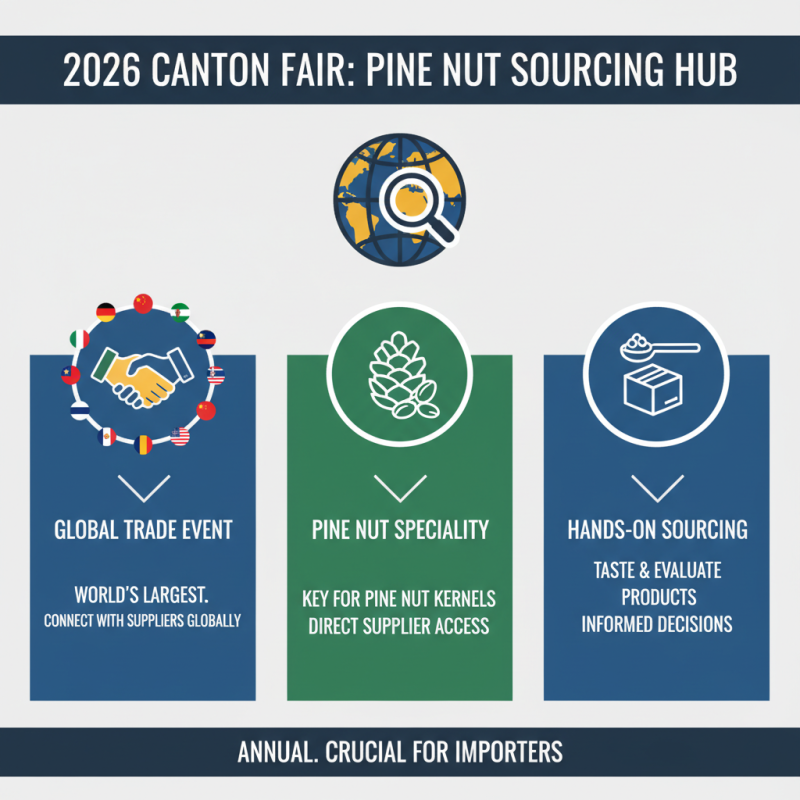
As the 2026 Canton Fair approaches, sourcing Pine Nut Kernels has never been more strategic. This year, the fair showcases innovative technologies and trends, enhancing the sourcing experience for buyers. Held over two weeks in April and May, the fair consists of three distinct phases, each focusing on specific industries.
The introduction of AI-driven search and smart navigation promises to streamline the sourcing process. Buyers can easily identify suppliers with necessary certifications like ISO and CE. This feature is particularly beneficial in navigating the vast 1.55 million square meters of exhibition space. With improved efficiency, participants can dedicate more time to examining product quality and supplier reliability.
However, sourcing Pine Nut Kernels requires diligence. Not all suppliers meet high standards, and challenges may arise. Buyers should remain vigilant and ask critical questions. Scrutinizing product origins and quality will be essential in ensuring a successful procurement experience. Engaging with potential suppliers could reveal both opportunities and hidden pitfalls.
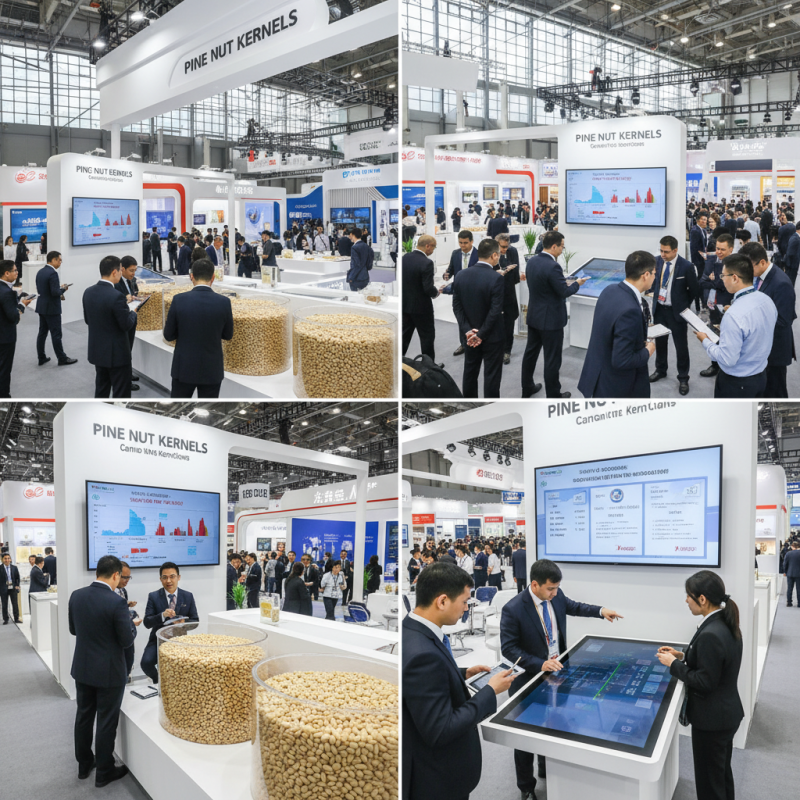
Understanding the Importance of Pine Nut Kernels in Global Trade
Pine nut kernels play a significant role in global trade, particularly within the food and health industries. Market data reveals that the global pine nuts market was valued at over $500 million in 2022, with projections indicate steady growth through 2026. Their unique flavor and nutritional benefits make them valuable to consumers and manufacturers alike.
Despite their popularity, sourcing pine nut kernels can be challenging. Variations in quality and sourcing locations lead to inconsistency. Reports show that the main suppliers of pine nuts are countries like China, Russia, and certain regions of North America. However, trade dynamics can impact availability. Some suppliers struggle with sustainable harvesting practices, raising ethical concerns.
Nutritionally, pine nuts are rich in protein and healthy fats. They contain vitamins E and K, contributing to heart health. The growing demand for plant-based proteins presents an opportunity for businesses to invest in this sector. Yet, one must consider possible supply chain disruptions and pricing volatility, especially in the wake of global uncertainties. Companies should prepare for these issues and ensure robust sourcing strategies ahead of significant trade events like the 2026 Canton Fair.
Key Tips for Identifying Reliable Suppliers at the Fair
Sourcing pine nut kernels at the 2026 Canton Fair offers great opportunities. However, identifying reliable suppliers can be challenging. A reliable supplier should provide quality products and trustworthy service. Pay attention to their booth setup and how they interact with visitors. A neat display often reflects the professionalism of suppliers.
Look for suppliers with clear product information. This includes origin, pricing, and packaging details. Ask questions to gauge their knowledge. If they struggle to answer, consider it a red flag. Trust your instincts when you feel uneasy. Make notes of your interactions for comparison later.
Don’t hesitate to seek references from other buyers. Doing so builds a clearer picture of a supplier’s reliability. Also, observe how other customers are treated. Positive engagement is a good sign. Remember, your goal is to find quality and trust. This process requires time and careful thought. Keep refining your approach as needed.
Best Practices for Negotiating Prices and Terms for Pine Nuts
Negotiating prices and terms for pine nuts at the 2026 Canton Fair requires strategic preparation. The pine nut market has shown fluctuations, with prices averaging $20 per kilogram in recent years, according to the International Nut and Dried Fruit Council. Understanding these trends aids in effective negotiation.
Research potential suppliers thoroughly. Know the average costs and quality standards. However, don't rely solely on online information. In-person discussions may reveal insights not available in reports. Build rapport with suppliers. This human element can often lead to better terms.
**Tip:** Ask open-ended questions to gauge suppliers' flexibility. Sometimes, the best deals come from creative solutions rather than rigid price talks.
Be clear about your needs. Offer specific quantities and timelines. This clarity can help prevent misunderstandings. Be prepared for counteroffers and evaluate them against market data.
**Tip:** Don't rush into agreements. Reflect on the terms. A seemingly good deal could have hidden costs.
Legal Considerations and Import Regulations for Pine Nut Kernels
When sourcing pine nut kernels at the
2026 Canton Fair, navigating
legal considerations is vital. Import regulations can vary
significantly by country. It is essential to understand the specific
requirements for your target market.
Some regions may have strict guidelines regarding
food safety, packaging, and labeling.
Non-compliance could lead to hefty fines or shipment delays.
Documentation is key in this process.
Import permits and health certificates are often necessary. Failing to
obtain these documents can halt your business operations. Each country
has unique regulations, and staying informed about changes is essential.
For example, some nations require pesticides to be at certain levels.
Do your homework to prevent complications.
Furthermore, consider sourcing practices.
Ethical sourcing not only meets legal
standards but also builds trust. Look for suppliers who provide
transparency in their operations. This can help avoid potential legal
troubles later. Ignoring these aspects may seem convenient now but could
lead to bigger issues down the line. Always approach sourcing with a
critical eye and a clear understanding of the implications.