What is Sunflower Seeds Bakery Grade and Its Uses?
In recent years, the demand for healthy and nutritious ingredients in baking has surged. One such ingredient is Sunflower Seeds Bakery Grade, which has gained recognition for its versatility and health benefits. According to a report by the Food and Agriculture Organization, sunflower seeds are rich in vitamins, minerals, and healthy fats. This has made them a popular choice among bakers aiming to enhance the nutritional profile of their products.
Sunflower Seeds Bakery Grade is specifically processed for baking applications. It offers a unique flavor and texture that can elevate various baked goods. The use of sunflower seeds in bread, pastries, and snacks can increase fiber content, making them appealing to health-conscious consumers. Despite its benefits, some bakers may struggle with consistent quality and sourcing. These challenges can hinder the widespread adoption of this ingredient.
Moreover, while the market for bakery-grade ingredients is growing, not all suppliers meet the standards required for quality sunflower seeds. The discrepancy in quality can lead to variations in taste and texture in finished products. Addressing these issues requires thorough understanding and careful selection. As the baking industry continues to evolve, the significance of Sunflower Seeds Bakery Grade remains a topic worthy of exploration.
What Are Sunflower Seeds Bakery Grade?
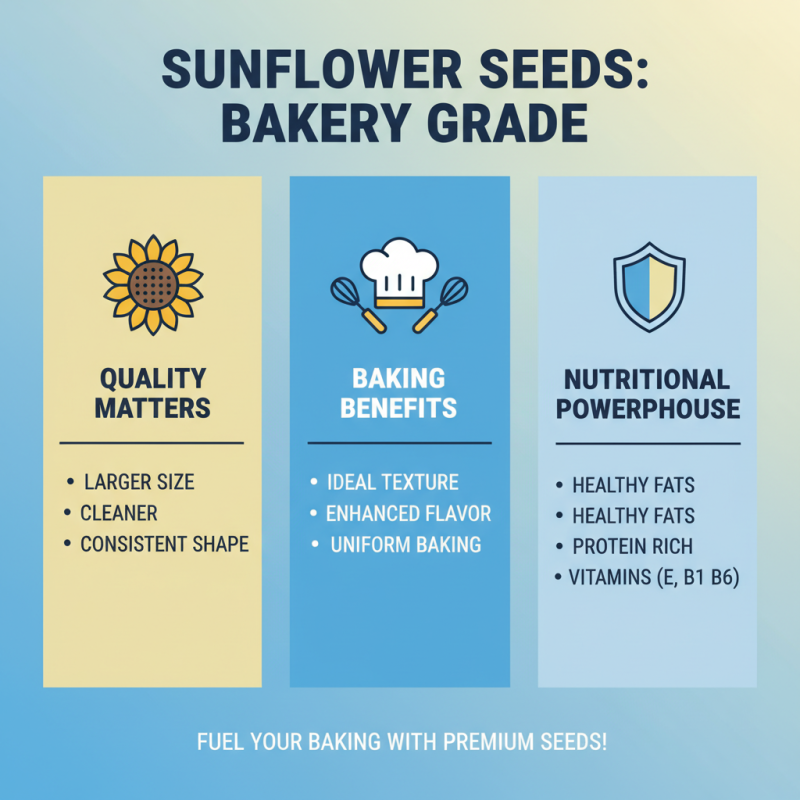
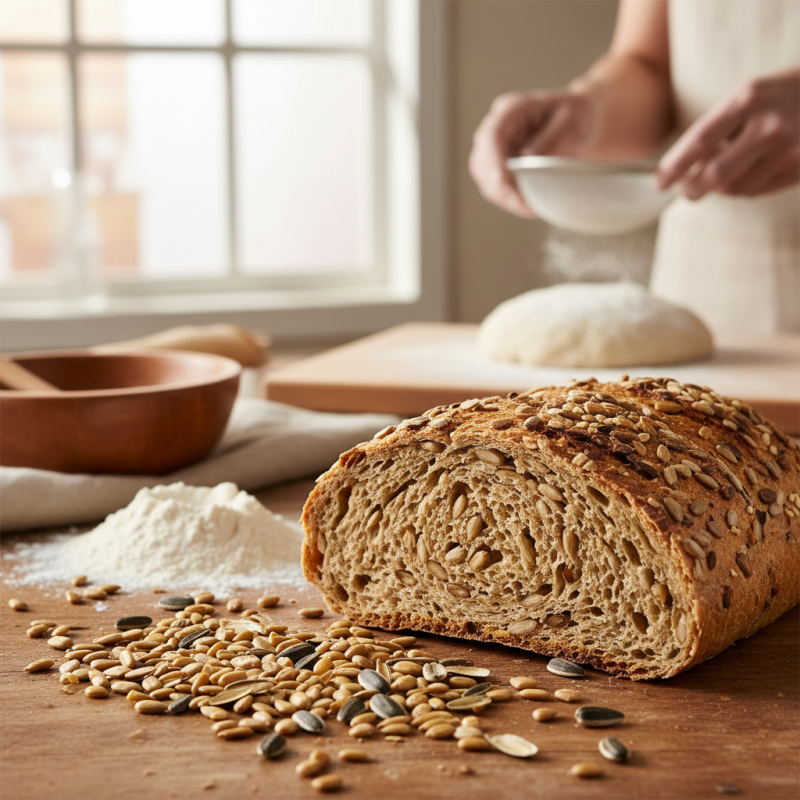
Sunflower seeds bakery grade refers to a specific classification of sunflower seeds used in baking. These seeds are generally larger, cleaner, and have a more consistent size than lower grades. Their quality is critical for achieving the desired texture and flavor in baked goods. According to industry reports, sunflower seeds are rich in healthy fats, protein, and various vitamins, making them a nutritious addition to many recipes.
In recent studies, nearly 70% of bakers have reported a growing demand for sunflower seeds in bread and muffin recipes. This trend is driven by an increasing consumer preference for healthier ingredients. Bakery grade sunflower seeds often find their way into artisan breads, granola bars, and snack mixes. They add a delightful crunch and subtle nutty flavor. The seeds can also enhance the visual appeal of baked products, making them more attractive to consumers.
However, not all sunflower seeds meet the bakery grade standards. Some may have higher levels of impurities or inconsistent sizes. When using these seeds, bakers must carefully evaluate their quality. Imperfections may lead to uneven baking results. Additionally, bad-quality seeds may impact the overall health benefits. It’s essential for bakers to source seeds from reliable suppliers to ensure they maintain consistent quality and enhance their final products.
Nutritional Profile of Bakery Grade Sunflower Seeds
Sunflower seeds bakery grade are a rich source of nutrients. Their nutritional profile includes high levels of healthy fats, protein, and fiber. One ounce of sunflower seeds contains about 6 grams of protein and 14 grams of fat, with 9 grams being unsaturated. This makes them a popular choice for incorporating into baked goods.
They also provide essential vitamins and minerals. A serving offers significant amounts of Vitamin E, magnesium, and selenium. According to industry reports, incorporating sunflower seeds into baked products can enhance their nutritional value. These seeds also add a pleasant crunch and nutty flavor, which many consumers enjoy.
However, the potential for overconsumption exists. Eating large quantities may lead to excessive calorie intake. While sunflower seeds are nutritious, moderation is crucial. Balancing them with other food groups is important for a healthy diet. In the bakery sector, there’s a growing trend towards using these seeds in various recipes. However, more research is needed on their long-term health impacts.
What is Sunflower Seeds Bakery Grade and Its Uses? - Nutritional Profile of Bakery Grade Sunflower Seeds
| Nutritional Component |
Amount per 100g |
| Calories |
584 kcal |
| Protein |
20.78 g |
| Total Fat |
51.46 g |
| Saturated Fat |
4.5 g |
| Carbohydrates |
20 g |
| Dietary Fiber |
8.6 g |
| Sugars |
2.62 g |
| Vitamin E |
35.17 mg |
| Iron |
5.25 mg |
| Magnesium |
325 mg |
Common Uses of Bakery Grade Sunflower Seeds in Baking
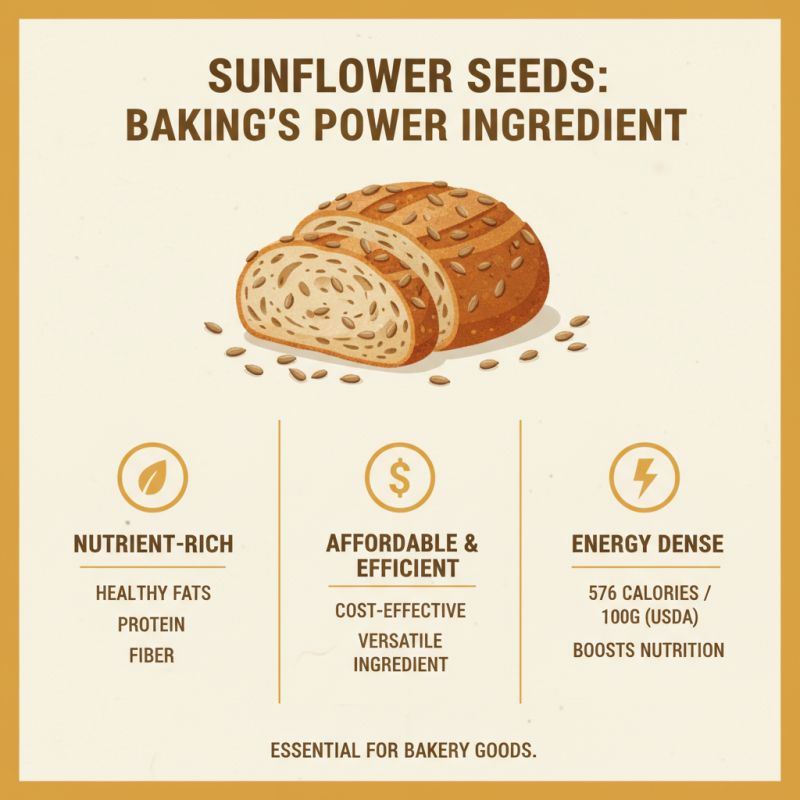
Sunflower seeds bakery grade are an essential ingredient in the baking industry. They are affordable and rich in nutrients. These seeds contain healthy fats, protein, and fiber, making them a great addition to baked goods. According to the USDA, sunflower seeds have about 576 calories per 100 grams, making them energy-dense.
In baking, sunflower seeds are used in various ways. They can be sprinkled on top of bread or muffins for added crunch. Some bakers incorporate them into doughs to enhance texture and flavor. A report from the American Bakers Association reveals that products enriched with seeds have a 30% higher consumer preference. This shows how sunflower seeds can boost market appeal.
However, not all sunflower seeds are created equal. Quality varies, and some may contain contaminants. This can affect flavor and safety. Bakers must be cautious in sourcing seeds. Ensuring freshness is key. Compromised ingredients can lead to a poor baking outcome. While sunflower seeds are versatile, the importance of quality cannot be overstated.
Benefits of Incorporating Sunflower Seeds in Baked Goods
Sunflower seeds are not just for snacking. They are becoming popular in baking. Incorporating sunflower seeds can elevate the texture and nutrition of baked goods. They add a delightful crunch. The seeds also enhance the overall flavor profile. This makes bread, muffins, and snacks more appealing.
The nutritional benefits are significant. Sunflower seeds are rich in healthy fats, protein, and fiber. This can make your baked items more satisfying. You might even notice that they provide a source of vitamins and minerals. However, it's essential to balance their inclusion. Too many seeds can overpower delicate flavors. It's a skill to find the right blend.
Baking with sunflower seeds presents an opportunity for creativity. You can mix them into doughs, sprinkle them on top, or use them in filling. Experimentation is key. Sometimes, the results are surprising, not always perfect. This process of trial and error is a valuable learning experience. Embracing imperfections can lead to unique and tasty creations.
Benefits of Incorporating Sunflower Seeds in Baked Goods
Storage and Handling Tips for Bakery Grade Sunflower Seeds
Bakery grade sunflower seeds are versatile ingredients used in various baked goods. They add a nutty flavor and a crunchy texture. Proper storage is crucial to maintain their quality. Seal them in an airtight container. Store them in a cool, dark place. This helps prevent rancidity and keeps them fresh longer.
Handling sunflower seeds requires care. Avoid exposure to moisture, as this can lead to mold. Use clean, dry utensils when scooping seeds. If you notice any strange smells or colors, it’s best to discard them. Sometimes, we forget these small steps. This can lead to waste.
Incorporate sunflower seeds into your recipes for added nutrients. They can be sprinkled on breads or mixed into granola. Experiment with these seeds in different ways. Reflect on your storage practices to enhance their freshness. Adjust your methods if necessary. Enjoy the unique taste of bakery grade sunflower seeds in your kitchen creations.