Tips for Choosing the Best Sunflower Seeds Confectionary Grade for Your Recipes?
When it comes to baking and cooking, the choice of ingredients can make all the difference. Sunflower Seeds Confectionary Grade is a prime example. Using high-quality seeds can enhance flavors and textures in your recipes. With countless varieties available, selecting the right one can be daunting.
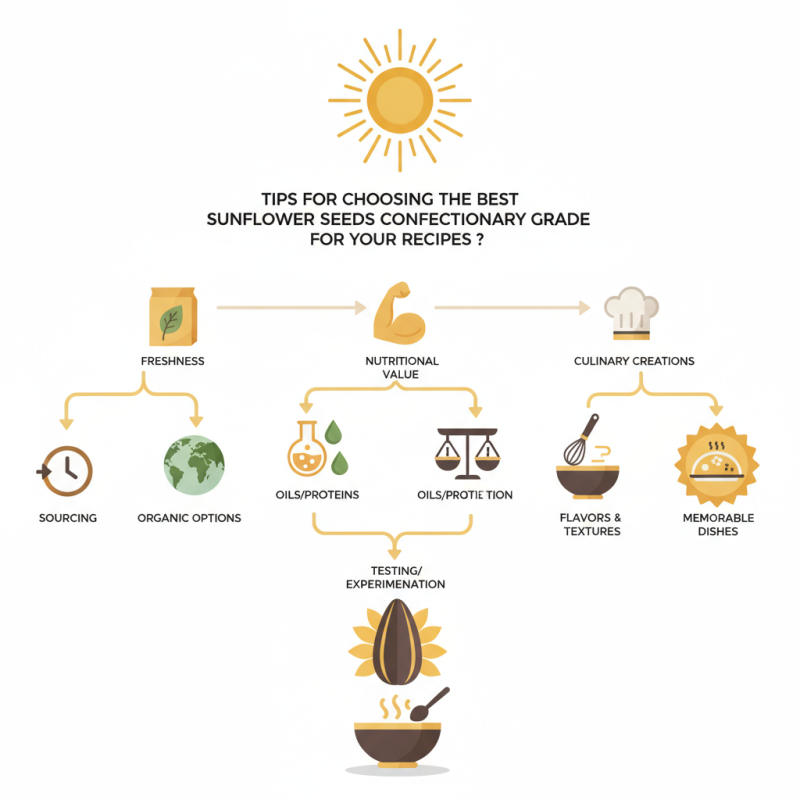
Consider the importance of freshness in sunflower seeds. Stale seeds can ruin a dish. Look for seeds that have been packaged recently. You may prefer organic options, which offer a more robust taste. Pay attention to sourcing; regions known for sunflower cultivation often yield superior seeds.
Additionally, reflect on nutritional value. Some sunflower seeds contain more oils or proteins than others. Testing different grades may lead to unexpected results. Experimentation can help discover the perfect balance for your specific recipes. Ultimately, the right Sunflower Seeds Confectionary Grade can elevate your culinary creations, making them memorable.
Understanding Sunflower Seeds: Types and Grades Explained
Sunflower seeds come in various types and grades, each suited for different culinary uses. Understanding these classifications helps you choose the right seeds for your recipes. Generally, sunflower seeds can be categorized as either oilseeds or confectionery seeds. Oilseeds are ideal for extracting oil, while confectionery seeds are great for baking and snacking. The most common types of confectionery seeds are the grey-striped and black-oil seeds.
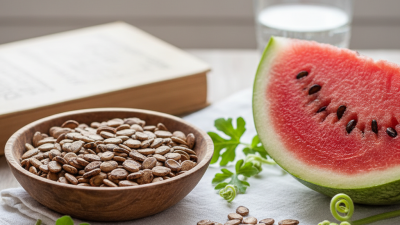
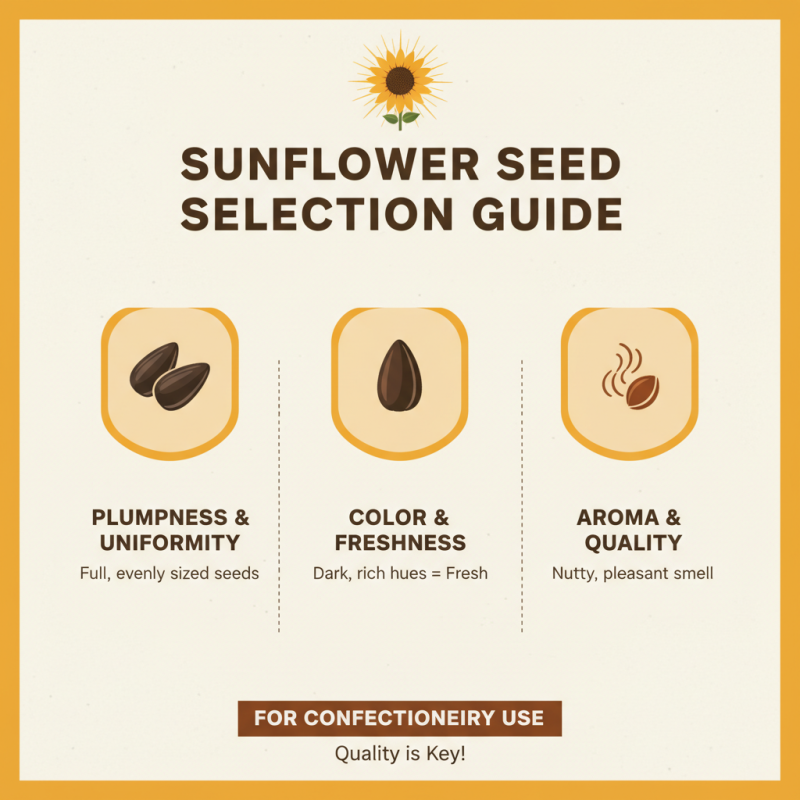
When selecting confectionery-grade sunflower seeds, look for seeds that are large, plump, and have minimal defects. They should be free of discoloration and have a uniform appearance. The taste is also critical; they should be fresh, without any hint of rancidity. Sometimes, even well-packaged seeds can surprise you with their taste. Don't overlook the importance of sourcing; freshness can vary based on the supplier.
Additionally, consider the texture when incorporated into your recipes. Some seeds may be crunchier than others, affecting your dish's final presentation. A few seeds might taste slightly bitter, and experimenting is essential to understanding your preferences. Carefully evaluating these factors can lead to better cooking experiences and enhanced recipes. Remember, even the best seeds may not always meet expectations, and that’s part of the learning journey.
Nutritional Benefits of Confectionary Grade Sunflower Seeds
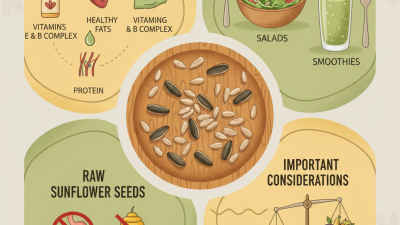
Confectionary grade sunflower seeds pack a punch in nutritional benefits. They are rich in healthy fats, protein, and fiber. These seeds contain essential vitamins and minerals like vitamin E and magnesium. Including them in your diet can support heart health and boost energy levels. They are an excellent choice for a nutritious snack or as an addition to your favorite recipes.
When choosing sunflower seeds, consider a few tips. Look for seeds that are free from shells and have a nice glossy appearance. Freshness matters. Stale seeds lose their flavor and nutrients. Smell the seeds; they should have a pleasant nutty aroma. Pay attention to the source. Organic seeds often have higher nutrient content.
These seeds can be used in various recipes. Sprinkle them on salads or blend them into smoothies. They can also enhance baked goods. Be mindful of portion sizes. Too many seeds can add extra calories. Experiment, but stay balanced. Embracing these tips will help you enjoy the best of confectionary grade sunflower seeds in your cooking.
Factors to Consider When Buying Sunflower Seeds for Cooking
When selecting sunflower seeds for cooking, several factors play a crucial role. The grade of the seeds is paramount. Confectionery grade seeds are often preferred for their flavor and texture. These seeds should be clean, plump, and intact. According to industry data, high-quality seeds typically contain 30% more nutrients and better flavor profiles, impacting the final dish.
Another important consideration is the source of the seeds. Look for suppliers that prioritize sustainable farming practices. This choice not only affects flavor but also nutrition. A report by the Food and Agriculture Organization highlighted that organic seeds contain 20% more antioxidants than conventionally grown ones. Alongside sustainability, pay attention to the freshness of the seeds. Fresh seeds have a shorter shelf life and better taste, making them ideal for culinary use.
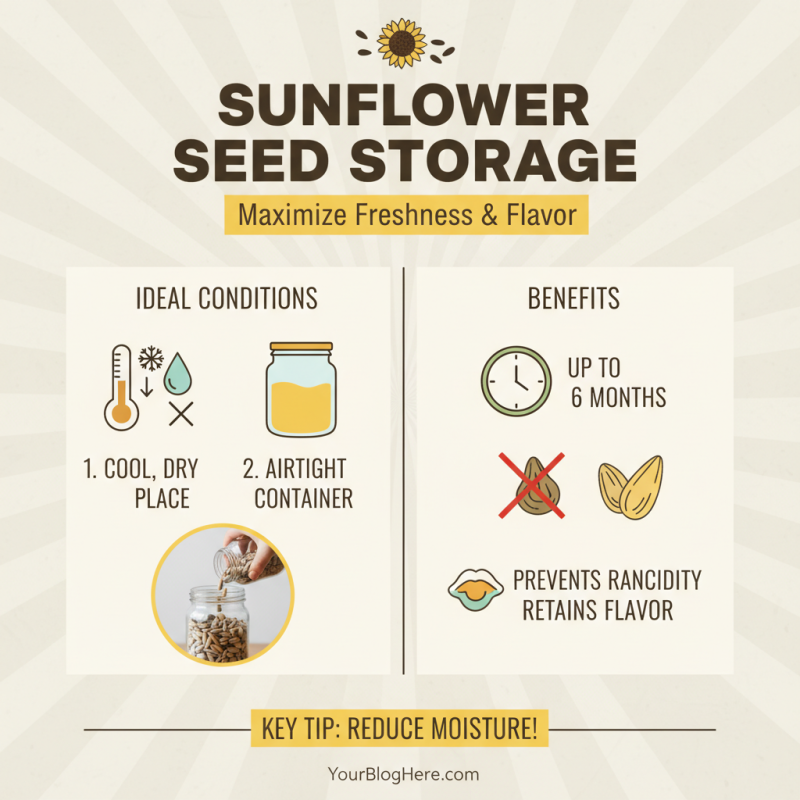
Lastly, note the storage recommendations. Sunflower seeds should be kept in a cool, dry place. Improper storage can lead to loss of flavor and nutritional value. Many cooks overlook this aspect, leading to disappointing results in recipes. Take time to reflect on these elements before making your choice. The right sunflower seeds can elevate your dishes significantly.
Tips for Choosing the Best Sunflower Seeds Confectionary Grade for Your Recipes
Top Brands and Sources for Quality Sunflower Seeds
When it comes to selecting sunflower seeds for confectionery, quality is key. Look for seeds that are plump and uniform in size. A good way to check is to observe their color—dark, rich hues usually indicate freshness. The aroma is important too; they should smell nutty and pleasant, without any hint of rancidity.
Consider sourcing from specialty stores or local farmers’ markets. These places often provide high-quality, fresh options. It’s worth asking about their sourcing practices. Transparency can ensure you’re getting the best seeds for your baking or snacking needs. Another great source is online retailers known for gourmet ingredients. It can be convenient, but check for customer reviews on freshness and flavor.
When using sunflower seeds in recipes, remember these tips: Measure accurately to ensure balanced flavors. Experiment with roasting them for added depth of flavor. If unsure, taste a few before incorporating them into your dish. Learning by doing is part of the process, after all. Don't hesitate to experiment—even mistakes can lead to delightful surprises.
Storing and Using Sunflower Seeds in Your Recipes
Storing sunflower seeds properly is crucial for maintaining their freshness and flavor. Ideally, sunflower seeds should be stored in a cool, dry place. According to industry reports, keeping them in airtight containers can reduce moisture and prevent rancidity. This method preserves the quality for up to six months.
When using sunflower seeds in recipes, consider toasting them lightly. This enhances their natural nutty flavor and improves texture. Experts recommend tossing them in a skillet over medium heat for about five to seven minutes. Watch carefully to avoid burning. Toasting is a simple step that can elevate your dish significantly.
Here are some tips for choosing the right seeds. Look for seeds that are uniform in size and have a bright, clean appearance. Avoid those with blemishes or signs of mold. Fresh seeds have a pleasant aroma. Implementing these criteria can help ensure better results in your baking or cooking endeavors. Remember, quality ingredients make a big difference.