2026 Top Trends in Green Raisins for Global Buyers?
In recent years, the demand for Green Raisins has surged globally. These dried fruits are not just a healthy snack; they are a powerhouse of nutrition. As sustainability becomes a priority for consumers, Green Raisins are seen as an environmentally friendly choice. They offer numerous health benefits, including antioxidants and vitamins.
However, this rising trend comes with challenges. Quality control in production can be inconsistent. Buyers must be educated about sourcing methods to ensure they get high-quality products. Transparency in the supply chain is crucial for building trust.
Market trends will evolve. Consumers seek innovative flavors and packaging. Suppliers must adapt quickly to these changes. Understanding consumer preferences is key to thriving in the competitive landscape of Green Raisins. It's an exciting time for the industry, filled with opportunities and areas for reflection.
Emerging Health Benefits of Green Raisins for Consumers
Green raisins are gaining attention for their emerging health benefits. Recent studies underline their rich nutritional profile, making them appealing to consumers. These dried fruits are high in antioxidants, vitamins, and minerals. A report from the International Food Research Journal indicates that green raisins contain over 5% protein and are an excellent source of dietary fiber.
Consuming green raisins may aid digestion. They are known to promote gut health, thanks to their fiber content. This can be vital for individuals looking to improve their overall digestive system. Additionally, these raisins have been found to help in maintaining healthy blood sugar levels. A research study published in the Journal of Agriculture and Food Chemistry suggests that the natural sugars in green raisins can stabilize glucose levels, which is essential for those managing diabetes.
Moreover, green raisins may support heart health. They contain potassium, which supports cardiovascular function and reduces blood pressure. However, while their benefits are promising, overconsumption can lead to increased calorie intake, which should be monitored. Consumers need to reflect on balance when adding new foods like green raisins to their diets.
2026 Top Trends in Green Raisins for Global Buyers
Sustainable Sourcing Practices in the Green Raisin Industry
Sustainable sourcing practices are vital in the green raisin industry. Buyers are increasingly looking for suppliers who prioritize environmental responsibility. Sustainable cultivation methods not only reduce ecological impact but also enhance product quality. Many producers are adopting organic farming principles. This shift helps improve soil health and supports biodiversity. However, challenges persist in ensuring consistent supply while meeting these standards.
Tips: Look for certifications that indicate sustainable practices. Organic labels and fair trade certifications offer reassurance. Engage directly with suppliers to ask about their sourcing methods. Transparency is crucial in building trust. Regularly evaluate your suppliers to ensure they align with your sustainability goals.
Maintaining a balance between cost and sustainability remains difficult. Some producers may cut corners to save money. As a buyer, it’s essential to be vigilant. Authenticity checks on suppliers can reveal their true practices. Supporting producers with genuine sustainability efforts fosters a better industry landscape. It is a long-term investment in both quality and ethical responsibility.
Innovations in Packaging and Distribution of Green Raisins
The packaging and distribution of green raisins are evolving rapidly. Innovations reflect a commitment to sustainability and quality. Eco-friendly materials are now a priority. These advancements help preserve the distinct flavors of green raisins while reducing environmental impact.
The emergence of smart packaging technology is noteworthy. Such packaging extends shelf life. It helps prevent spoilage during transport. With temperature-sensitive materials, producers can ensure optimal conditions from farm to table. This kind of innovation is crucial for maintaining quality.
Tips: Look for packaging that mentions biodegradable materials. Choose products that offer resealable options to preserve freshness. Research the distribution chain to ensure quality handling. A reliable supply chain means better products for you. Users should also stay informed about changes in regulations related to food safety. This ensures that you purchase products that meet the highest standards.
Market Demand Trends for Green Raisins Among Global Buyers
The global market for green raisins is evolving. Factors such as health trends and sustainability are driving demand. Buyers are increasingly interested in natural and nutritious snacks. This shift reflects a broader desire for healthier options. Green raisins, known for their antioxidant properties, attract health-conscious consumers.
Recent studies show rising consumer interest in organic products. Many buyers are willing to pay a premium for quality. This trend, however, raises questions about sourcing and authenticity. Some suppliers struggle to meet the increasing demand sustainably. Transparency in sourcing is critical. Buyers must ensure they support ethical practices.
Moreover, flavor profiles are becoming a focal point. Buyers desire diverse options. Mixing green raisins with other fruits or nuts offers exciting combinations. However, maintaining consistent quality can be challenging. This inconsistency might lead to buyer dissatisfaction. Overall, understanding these trends is essential for stakeholders in the green raisin market.
Influence of Climate Change on Green Raisin Production Trends
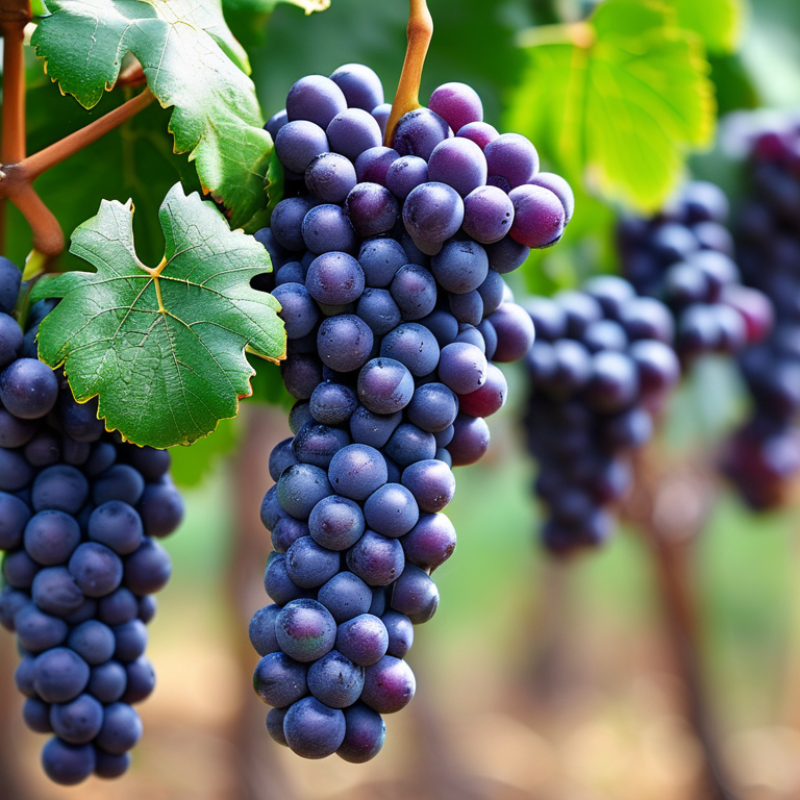
Climate change is reshaping the agricultural landscape, including green raisin production. Rising temperatures and erratic rainfall patterns affect grape cultivation. Farmers may face challenges in maintaining quality and yield. Ideal weather for growing raisins is shifting, forcing adjustments in farming practices.
Regions previously suited for green raisin cultivation may see reduced viability. Farmers need to adapt by selecting more resilient grape varieties. Water scarcity is a growing concern, amplifying competition for irrigation resources. Innovative practices like rainwater harvesting are becoming essential. These changes highlight the need for continuous learning and adaptation.
Sustainability is key in navigating these changes. Farmers must balance productivity with ecological health. This journey may reveal imperfections in traditional practices. Reflecting on these challenges encourages a more resilient approach to agriculture. Embracing new methods is vital for the future of green raisins in a changing climate.