2026 Top Trends Pumpkin Seeds for Health and Nutrition Benefits?
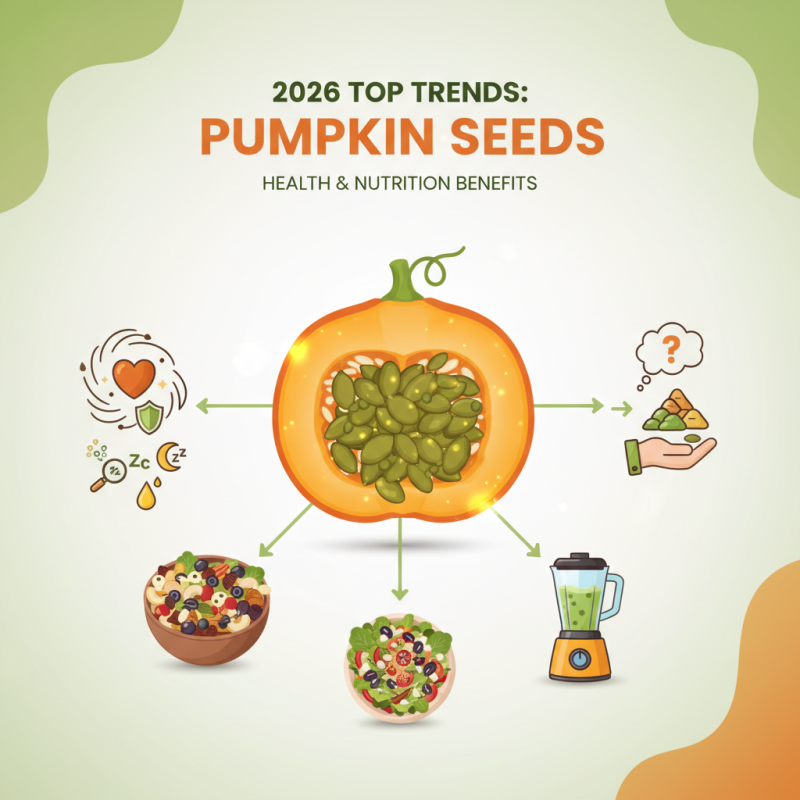
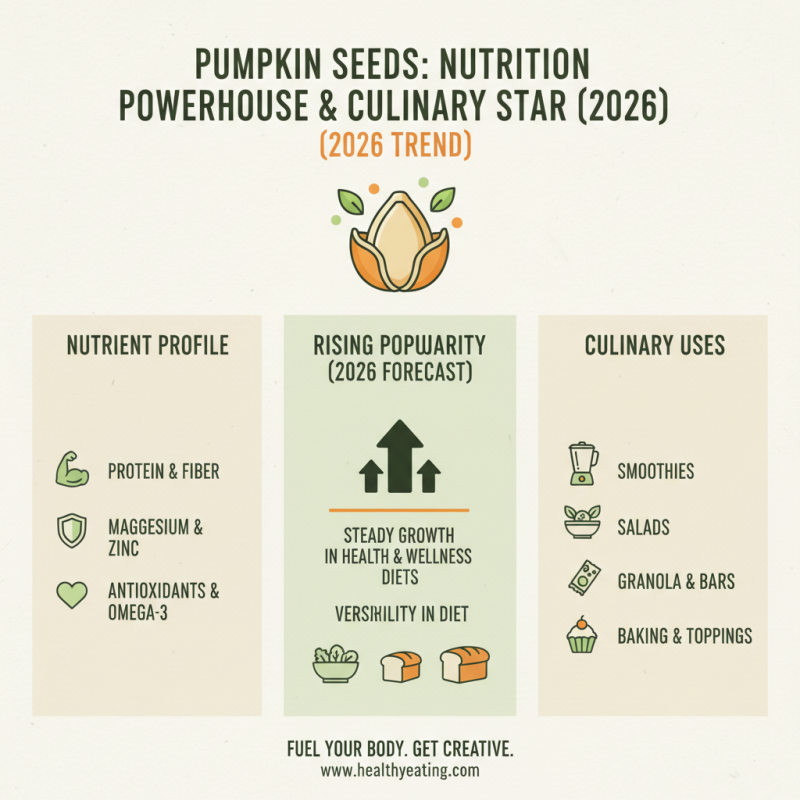
As we transition into 2026, Pumpkin Seeds are emerging as a health superfood. These tiny seeds pack a powerful punch of nutrition. Rich in magnesium, zinc, and healthy fats, they are becoming popular among health enthusiasts. Their unique combination of nutrients supports heart health, boosts immunity, and promotes better sleep.
Consumers are now aware of the potential benefits of Pumpkin Seeds. They serve as a nutritious snack or an excellent addition to salads and smoothies. However, not everyone understands the best ways to incorporate them into their diets. Some may find them hard to digest or too crunchy. Thus, it’s essential to explore various preparation methods.
Despite their advantages, many people overlook Pumpkin Seeds. Some may focus on other superfoods, ignoring these tiny powerhouses. We should challenge ourselves to rethink our choices and embrace the possibilities Pumpkin Seeds offer for health and nutrition.
Health Benefits of Pumpkin Seeds: An Overview
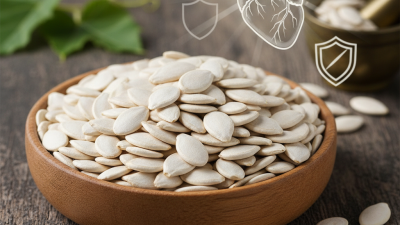
Pumpkin seeds, known as pepitas, are small but powerful. They are packed with nutrients that support overall health. A one-ounce serving offers 7 grams of protein and a notable amount of magnesium and zinc. According to the USDA, magnesium supports over 300 enzymatic reactions in the body, playing a crucial role in muscle and nerve function.
Research has shown that pumpkin seeds may contribute to heart health. They contain healthy fats, primarily polyunsaturated and monounsaturated fats. A 2019 study published in the Journal of Nutritional Biochemistry highlighted that these seeds can improve cholesterol levels and reduce inflammation.
Tip: Incorporate pumpkin seeds into your diet by adding them to salads or yogurt.
They also provide antioxidants, which protect the body from oxidative stress. Vitamin E and carotenoids found in pumpkin seeds may lower the risk of chronic diseases. However, not everyone may benefit equally. Some people might experience digestive discomfort due to the high fiber content.
Tip: Start with a small amount and gradually increase your intake to monitor your body’s response.
Overall, pumpkin seeds are a nutritious addition to a balanced diet. Despite their benefits, it's essential to approach consumption mindfully. Keep experimenting to find what works best for you.
Nutritional Profile of Pumpkin Seeds: What You Need to Know
Pumpkin seeds, often overlooked, offer a remarkable nutritional profile. Packed with protein, they provide essential amino acids. One ounce delivers about 7 grams of protein. They are also a rich source of healthy fats, particularly omega-3 and omega-6 fatty acids. This balance supports heart health and overall wellness.
In addition to proteins and fats, pumpkin seeds shine in their mineral content. They boast significant amounts of magnesium, iron, and zinc. These minerals play various roles in bodily functions. Magnesium aids in muscle and nerve function. Zinc is crucial for immune health. However, it's easy to overlook these details when focusing on trendy superfoods.
Despite their benefits, moderation is key. They are calorie-dense, and snacking may lead to overeating. People might add salt or sugar, which diminishes their healthy reputation. Reflecting on consumption habits can help maximize their health benefits. Enjoy pumpkin seeds mindfully for the best results.
Top 2026 Trends in Pumpkin Seed Consumption
Pumpkin seeds have steadily gained popularity in health and nutrition circles. Their unique nutrient profile makes them an appealing snack for many. In 2026, we expect to see an increase in how these seeds are incorporated into diets. From smoothies to salads, the versatility of pumpkin seeds offers endless possibilities for culinary creativity.
Trends show that consumers are increasingly aware of their health choices. Pumpkin seeds are rich in magnesium, zinc, and healthy fats. These nutrients contribute to improved heart health and better sleep. However, not everyone appreciates their flavor. Some find them too nutty or even bitter. This opens a space for innovation: roasted pumpkin seeds with diverse seasonings might attract those hesitant to try them.
People are also becoming more aware of sustainability. Choosing pumpkin seeds can often mean supporting local farmers. Yet, questions about environmental impact remain. Are we sourcing sustainably? This aspect of consumption needs consideration in the growing trend toward health-focused diets. As we embrace these seeds, a reflection on how we cultivate and utilize them is crucial.
Innovative Ways to Incorporate Pumpkin Seeds into Your Diet
Pumpkin seeds are a powerhouse of nutrition. They are rich in magnesium, iron, and zinc. These tiny seeds can easily elevate your meals. Adding them to smoothies or yogurt is a delightful way to boost your nutrient intake. According to a 2021 study, incorporating pumpkin seeds can increase antioxidant levels by 20%. This is impressive for such a small ingredient.
Consider using pumpkin seeds in baking. They add a crunchy texture to bread and muffins. A study from the Journal of Food Science highlights that seeds improve the protein content of baked goods. This makes them not only tastier but also healthier. You can also sprinkle them on salads for extra crunch. Their nutty flavor complements green vegetables well.
Yet, there is room for improvement in how we use these seeds. Many people overlook pumpkin seeds in their diet. Increased awareness can help change that. Experimenting with different recipes can reveal more uses. For instance, try them in homemade energy bars. This could be an easy way to enhance your daily nutrition while enjoying tasty snacks.
Potential Risks and Considerations of Pumpkin Seed Consumption
Pumpkin seeds are rich in nutrients. They provide magnesium, zinc, and healthy fats. Many people consume them for their health benefits. However, there are potential risks associated with their consumption. Overeating can lead to digestive issues. The high fiber content may cause bloating or discomfort.
Research shows that excessive intake of pumpkin seeds can also lead to weight gain. A serving is about 30 grams, but it's easy to exceed this amount. According to studies, a moderate intake helps maximize benefits while minimizing risks. Individuals with allergies need to be cautious. Reactions can occur, even if rare.
Some individuals may experience interactions with medications. This warrants careful consideration. A study published in the "Journal of Nutrition" indicates that pumpkin seeds can influence blood sugar levels. People with diabetes should monitor their consumption. It’s crucial to weigh the health perks against potential drawbacks. Mindful eating can ensure a balanced approach.
2026 Top Trends Pumpkin Seeds for Health and Nutrition Benefits
Pumpkin seeds are increasingly recognized for their health benefits, offering a rich source of protein, healthy fats, and essential minerals. This chart illustrates the nutritional value per 100 grams, highlighting the significant content of protein, fat, fiber, iron, and magnesium, which contribute to their popularity as a healthful snack.