



A handful of sunflower seeds every day will benefit your blood vessels and skin! To "eat" your way to health, keep these tips in mind.
For ages, Sunflower Seeds have been a staple in a variety of settings: at friend gatherings, on holiday dinner tables, while catching up on TV dramas and gossip... They've become a national favorite.
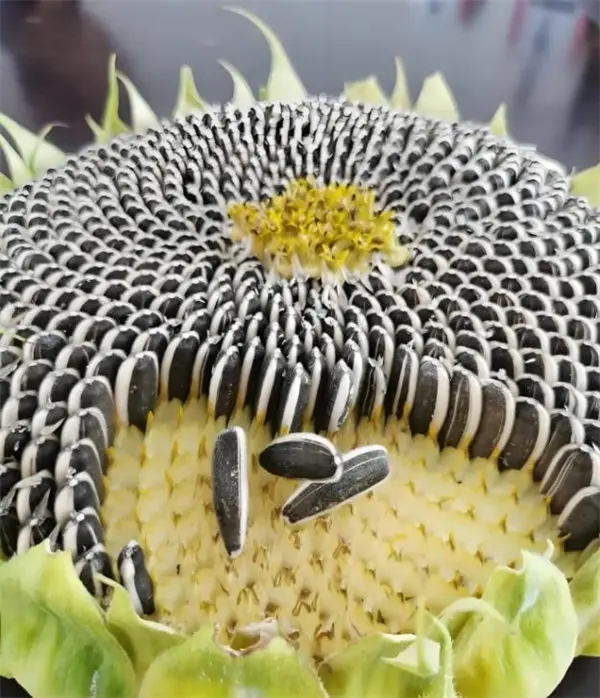
Even more intriguingly, while sunflower seeds taste ordinary, once you start eating them, you can't stop. What's the secret?
Why are sunflower seeds addictive?
Some people eat sunflower seeds until their mouths are dry, yet they can't stop reaching for them, like they're addicted. Dopamine may be at work.
Dopamine is actually related to reward expectancy error. When the actual reward or reward exceeds the psychological expectation, dopamine is secreted in large quantities.
The "addiction" mechanism of sunflower seed eating:
① When we pick up sunflower seeds and prepare to eat them, our brain creates a psychological anticipation of eating them, triggering dopamine secretion and anticipating the delicious taste of the seeds.
② The thin, crisp shell breaks easily with a single bite, allowing you to instantly capture the fragrant kernels. This easily fulfills our anticipation with "instant gratification," giving the brain an unexpected "reward" and boosting dopamine secretion.
③ The brain remembers this reward mechanism, motivating us to continue picking up sunflower seeds, spitting out the shells, and eating the kernels. This kicks off a magical cycle of sunflower seed eating.

Different sunflower seeds have their own benefits.
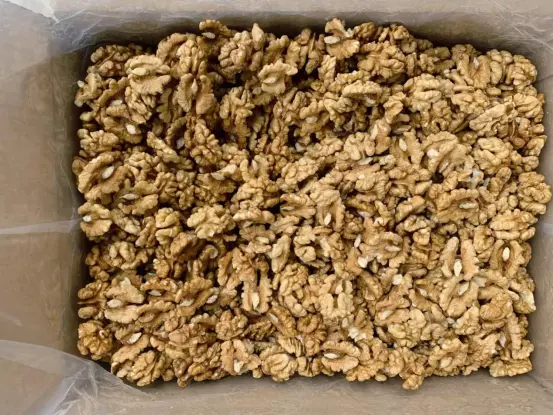
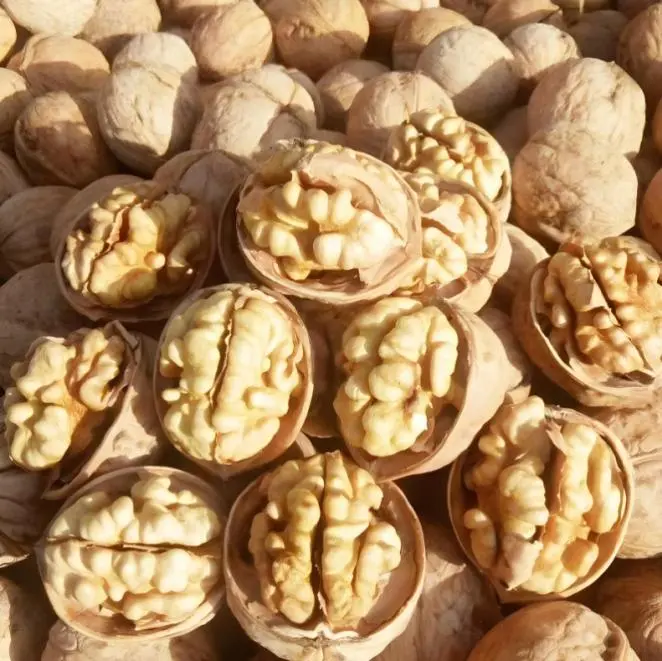
Researchers at the Harvard T.H. Chan School of Public Health found that regularly consuming foods rich in lignans, such as sunflower seeds and pumpkin seeds, significantly reduces the risk of coronary heart disease. The researchers speculate that the synergistic effect of lignans and dietary fiber increases the production of flax lignans in plasma, thereby exerting their effects.
Besides reducing the risk of coronary heart disease, different sunflower seeds actually have their own unique strengths.
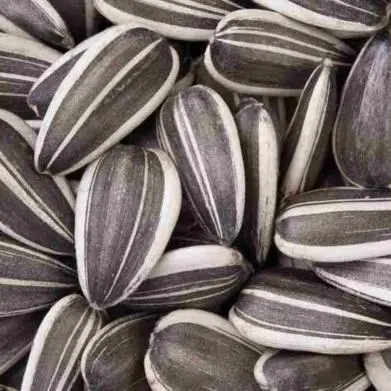
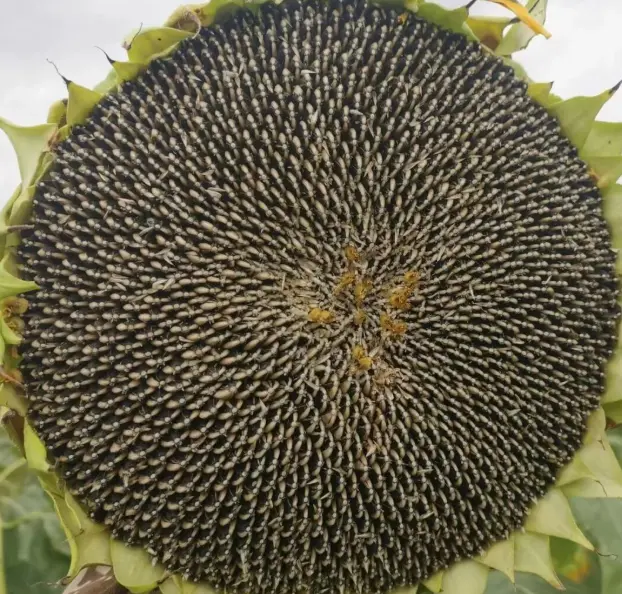
Sunflower seeds – Anti-aging, Blood Vessel Protection
Rich in Vitamin E: Sunflower seeds contain 79mg of vitamin E per 100g, the highest of all seeds and nuts. Eating about 10g of sunflower seeds daily can meet half of your daily vitamin E needs.
Vitamin E is a highly effective antioxidant that protects biological membranes from peroxide damage, improving skin circulation, enhancing skin cell vitality, and slowing the aging process.
Rich in Unsaturated Fatty Acids: Sunflower seeds are primarily unsaturated fatty acids, with polyunsaturated and monounsaturated fatty acids accounting for 77.2% and 13.5% of the total fat, respectively (Chinese Food Composition Table, Sixth Edition). These fatty acids accelerate fatty acid metabolism and prevent the absorption of cholesterol and fat, playing a crucial role in stabilizing blood pressure and blood lipids. They can also reduce the risk of arteriosclerosis.
o Watermelon Seeds – Hair Care
Watermelon seeds are rich in protein, amino acids, unsaturated fatty acids, and vitamin A, making them excellent for hair. The copper they contain also promotes melanin production.
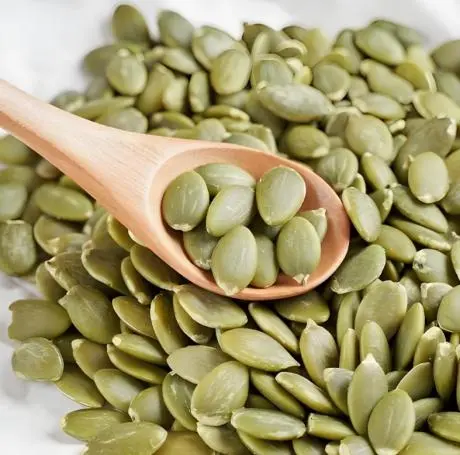
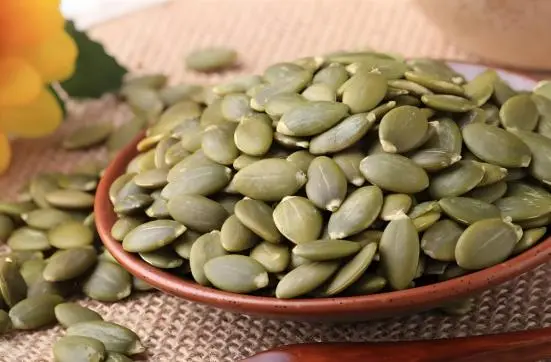
o Pumpkin Seeds – Protect the Prostate and Help Regulate Blood Pressure
Preventing Prostatitis: A US study found that consuming approximately 50g of pumpkin seeds daily can effectively help prevent and treat prostate problems.
Pumpkin seeds are rich in fatty acids, which help maintain good prostate function. Furthermore, their zinc content enhances the prostate's antibacterial and antimicrobial capabilities, effectively protecting the prostate and strengthening bladder and urethral function. Some of their active ingredients can also help reduce swelling in the early stages of prostatitis.
Assisting with Blood Pressure Regulation: Pumpkin seeds are high in potassium, which dilates blood vessels and indirectly helps lower blood pressure. Furthermore, when excessive sodium ions cause high blood pressure, potassium helps the body excrete excess sodium, which is beneficial for stabilizing and lowering blood pressure.
To eat sunflower seeds healthily, remember these four key points.
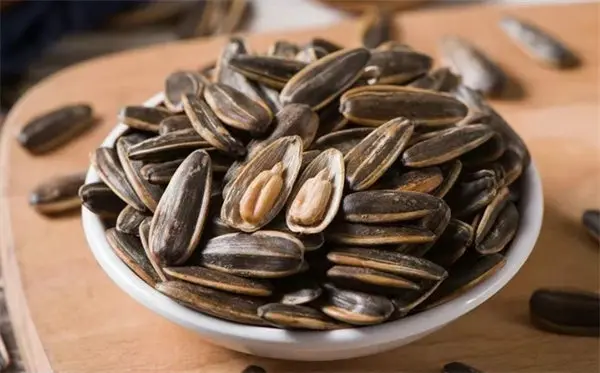
Opt for plain, packaged sunflower seeds.
Sunflower seeds come in many flavors, such as five-spice, cream, and green tea. However, these flavored seeds often contain additives like flavorings, saccharin, and salt during processing. Excessive consumption of these ingredients can be detrimental to health, so it's best to opt for plain seeds.
Operate with caution.
The fat content of various sunflower seeds is generally around 50%. Eating too many of these may lead to obesity and even high cholesterol due to excessive fat intake.
The "Dietary Guidelines for Chinese Residents" recommends a weekly intake of 50-70g of nuts (nut meat), equivalent to 20-25g of shelled sunflower seeds per day (a handful in the palm of one hand).
Operate without bitter sunflower seeds.
If sunflower seeds are not properly stored, they can easily become damp and moldy, potentially producing the highly toxic aflatoxin.
Even 1mg of aflatoxin can cause cancer! Therefore, if you eat moldy or bitter sunflower seeds, be sure to spit them out and rinse your mouth immediately. If a few sunflower seeds are moldy, it's best to throw away the entire bag. Aflatoxin spreads in the form of spores, making it easy for food to become moldy, though it's often invisible to the naked eye.
Avoid prolonged sunflower seed consumption. Many people can't stop eating sunflower seeds, which can easily lead to symptoms such as mouth ulcers, tongue swelling and pain, and sore throats. Therefore, avoid prolonged sunflower seed consumption and drink plenty of water.