A Precious and Nutritional Treasure of Pine Nuts
I would like to share some information about pine nuts, the seeds of the valuable pine tree, a species that is primarily found in the Changbai Mountain and Lesser Khingan Mountain forest regions of Northeast China. Unfortunately, this remarkable species is classified as a national first-level endangered species. The wild Korean pine takes around 50 years to reach seed-bearing age, and the seeds mature over a period of approximately two years, making them exceptionally precious.
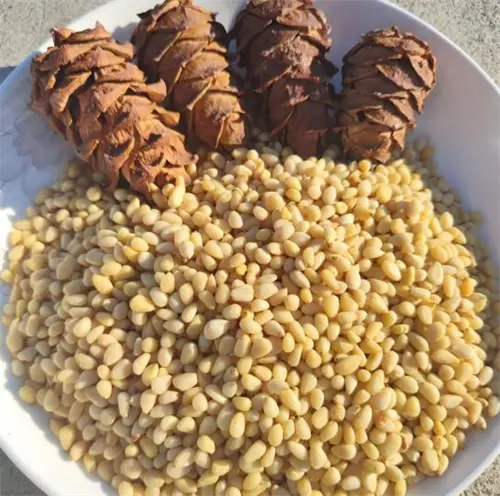
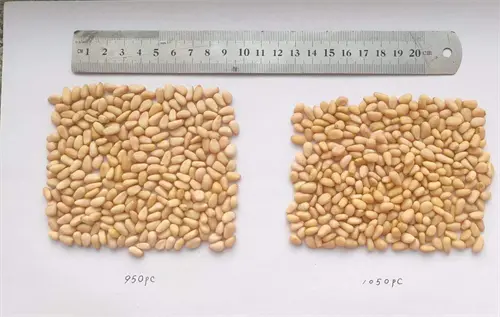
The inner kernels of the Korean pine fruit are predominantly harvested from the Changbai Mountain and Lesser Khingan Mountains. This tree species thrives in latitudes between 40 and 45 degrees. While North Korea, Russia, and a few European countries also produce pine nuts, their quantities are notably minimal. The pine nuts are obtained from mature pine cones through both mechanical and manual processes. High-quality pine nuts are characterized by whole kernels, a white color, no signs of damage, and a delightful aroma and taste. Nutritionally, they provide 16.7 grams of protein, 9.8 grams of carbohydrates, and 63.5 grams of fat per 100 grams, predominantly consisting of beneficial unsaturated fatty acids such as oleic and linoleic acids. Additionally, they are a good source of calcium (78 mg), phosphorus (236 mg), and iron (6.7 mg).
Pine nuts also known as pine nuts or sea pine nuts, belong to the Pinaceae family and possess sweet and warm properties. They are recognized for their health benefits, including nourishing yin, moistening the lungs, enhancing beauty, combating aging, and promoting longevity. They are often used to help with ailments such as dry cough and chronic constipation. Renowned for their exceptional taste and therapeutic benefits, they have earned the title of "longevity fruit" and are widely celebrated by medical practitioners and nutritionists throughout history.
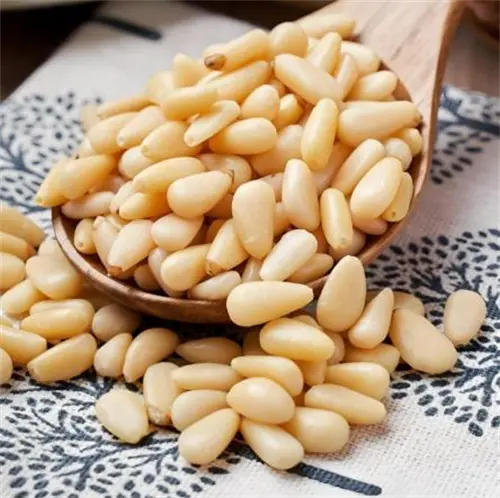
Rich in unsaturated fatty acids, regular consumption of pine nuts can enhance overall health, as they are abundant in fats, proteins, and carbohydrates. As an important component of traditional Chinese remedies, they contribute to strengthening the body and mind, hydrating the skin, and promoting longevity. Their health benefits are particularly pronounced for the elderly, who may experience physical weakness, lower back pain, constipation, dizziness, and slow growth in children. Pine nuts are known to nourish the kidneys and qi, enrich the blood, lubricate the intestines, and fortify the body.
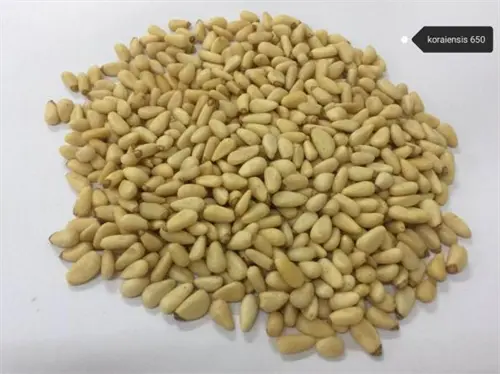
In relation to chemical composition, pine nuts contain approximately 74% fatty oil, primarily composed of oleic acid esters and linoleic acid esters. Other components include palmitoyl tertrenol, protein, and volatile oils. The oil resin of red pine encompasses a variety of compounds, including α-pinene, β-pinene, camphene, and many others.
I hope this information highlights the significance of pine nuts not just as a delightful culinary ingredient but also as a valuable source of nutrition and health benefits.