



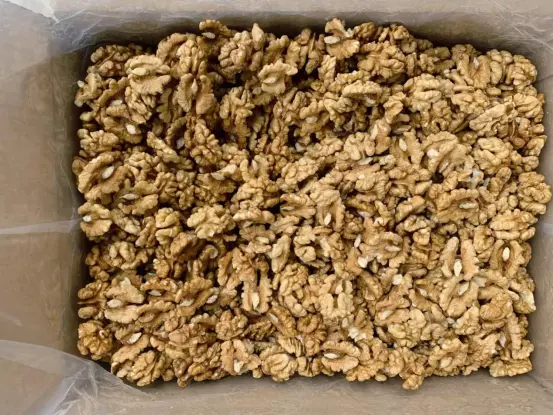
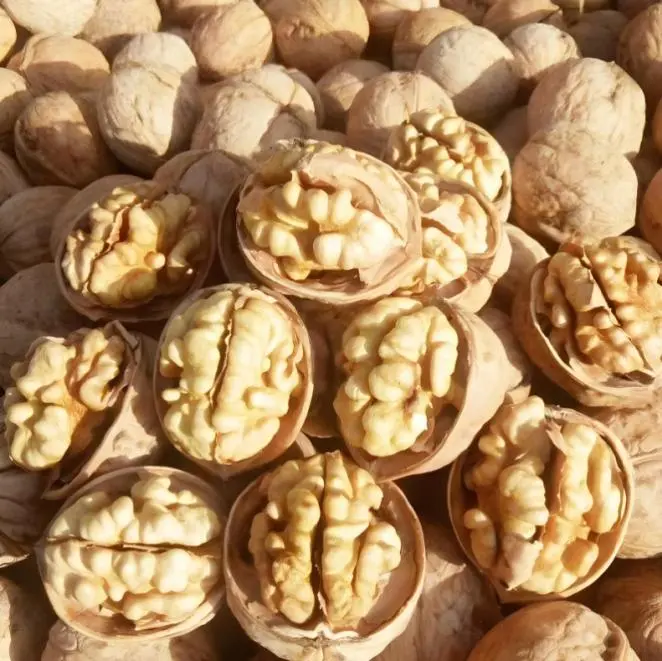



Eating walnuts for 6 months may actually change your brain!
When you think of walnuts, what comes to mind? For many, the word "brain booster" might come to mind. So, what are the nutritional properties of walnuts? Can eating more walnuts really boost your brain?
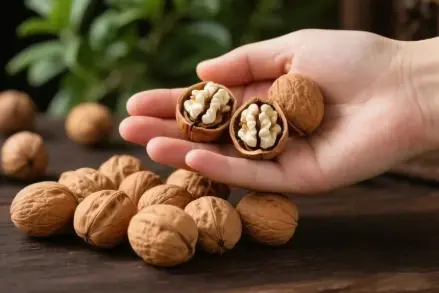
The study found that walnuts did have a "brain-boosting" effect in adolescents who consistently ate them for six months. Researchers also believe that regularly eating walnuts (more than three servings per week, about 10 walnuts) may improve sustained attention, fluid intelligence, and ADHD symptoms, but has no significant effect on the neurodevelopment of healthy adolescents.
It should be noted that although studies have shown that eating walnuts for a long time has a certain effect on "brain nourishment", don't expect to improve your IQ by eating walnuts.
🌰What nutrients do walnuts have?
Walnuts are widely cultivated in my country and are known as the "fruit of longevity" and "treasure of health." They are rich in the following nutrients:
Protein
Walnuts contain 14.9g of protein per 100g. While not high among nuts, they are rich in amino acids. Studies have shown that walnut protein contains 18 amino acids, including eight essential amino acids, accounting for 26.98% to 30.38% of the total amino acid content, which is beneficial for human growth and development.
Unsaturated Fatty Acids
Walnuts contain a high fat content of 58.8g per 100g, primarily polyunsaturated fatty acids, which account for approximately 76.2% of the total fatty acids. Linolenic acid and linoleic acid contribute 12.2% and 64%, respectively. While not as high as flaxseeds, the alpha-linolenic acid content in walnuts is significantly higher than in other nuts. This component can be converted into DHA in the body, which benefits brain and retinal health, although the conversion rate is generally low.
Vitamin E
Walnuts have a high vitamin E content among nuts, reaching 43.2mg per 100g. Vitamin E has strong antioxidant properties and is an essential nutrient for maintaining fertility and immune function.
Antioxidant Components
Walnuts are rich in antioxidants, including total phenolics and flavonoids. The vast majority of these antioxidants are found in the walnut's seed coat, where they help fight inflammation and scavenge excess free radicals. However, due to the high concentration of phenolics, the Walnut Seed coat has a distinctly astringent taste. If you can tolerate this, it's best to eat them with the skin on.