


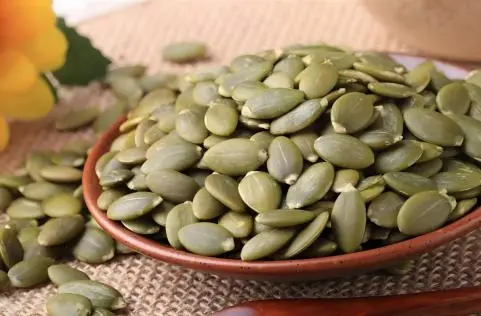
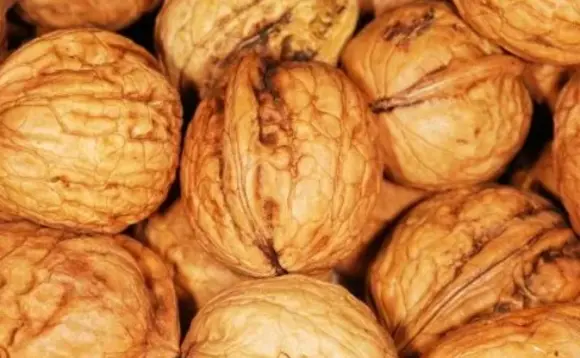
Global import proportion of pine nuts, walnuts and peanuts
High prices and Trump's trade deals have dominated headlines recently. The question is how much impact this has had on the nut industry. Statistics on EU fresh and dried nut imports for the first half of 2025 show a clear answer: EU spending has increased, and the US is by far its most important trading partner.
EU Nut Importers Spend Record amounts
In the first half of 2025, EU importers spent a record €3.8 billion (US$4.4 billion) on fresh and dried nuts, a staggering 33% increase compared to the same period last year. Spending on nearly all nut varieties saw sharp double-digit increases, with the exception of peanuts and pecans, which saw more modest single-digit increases. Walnuts saw the most significant increase, exceeding 60%. Eight of the 11 nut varieties surveyed achieved record import values.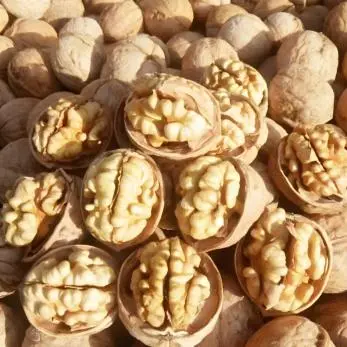
The United States is by far the most important trading partner, holding an overwhelming 49% market share in terms of import value. Vietnam, in second place, has a much smaller share at 10%, followed by Argentina at 9%. The United States is the EU's top trading partner for almonds, pistachios, walnuts, and pecans. It also ranks third for peanuts and hazelnuts.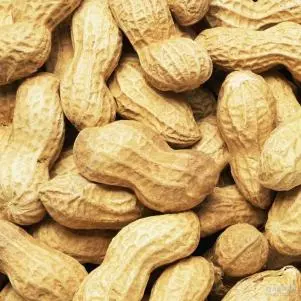
Almonds topped the list. The EU imported €810 million (US$935 million) worth of almonds in the first half of this year. The main suppliers were the United States (95.3%), Australia (2.5%), and Afghanistan (0.4%).
Pistachio imports reached a record €794 million (US$917 million), with the United States as the main trading partner (79.7%), followed by Turkey (7.6%) and Iran (6.7%).
EU importers spent the highest amount on record on peanuts in shell and Shelled Peanuts, exceeding €574 million (US$663 million). The main trading partner was Argentina (61.5%), followed by China (12.3%) and the United States (8.4%).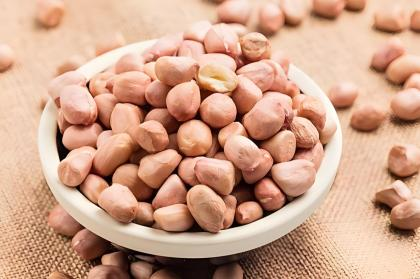
From January to June 2025, EU cashew imports reached a record €560 million (US$646 million). Vietnam accounted for the largest share, at 69.4%, followed by Côte d'Ivoire (15%) and India (6.2%).
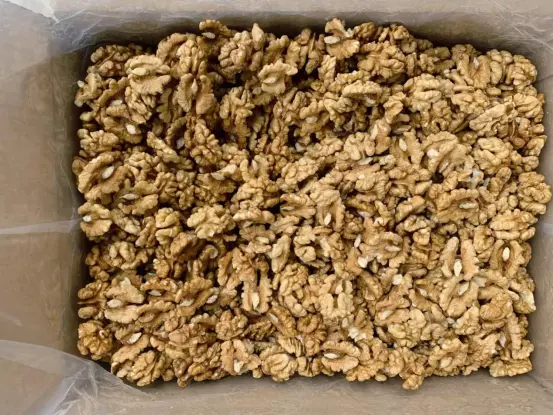
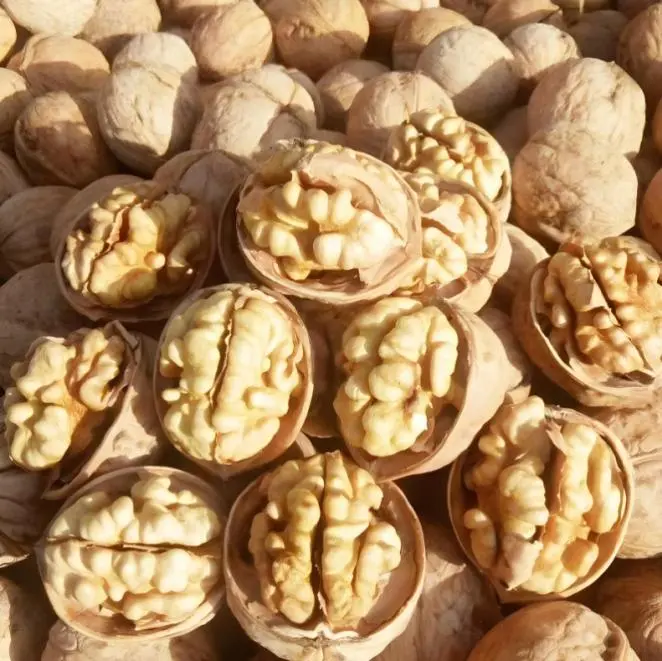
EU importers spent a record €515 million (US$594 million) on walnuts. The main trading partner was the United States (60.5%), followed by China (14%) and Ukraine (11.8%).
EU hazelnut imports also climbed to a record €284 million (US$328 million), with Turkey as the main supplier (42.2%), followed by Chile (25.8%) and the United States (11.8%).
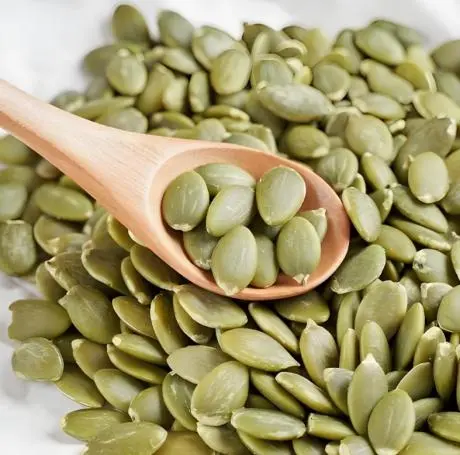
Pine nut imports increased to €94 million (US$109 million). China was by far the leading trading partner, with a 78.5% market share. Turkey and Russia followed closely behind, with much smaller market shares of 7.7% and 7.1%, respectively.
Pecan imports reached a record €88 million (US$102 million) and have continued to grow over the past three years. The main suppliers were the United States (57.8%) and Mexico (37.0%), followed by South Africa (3.6%).
Bolivia was the leading trading partner for abalone, holding an 83% market share, followed by Peru (14.1%), and Brazil with just 2.0%. Its import value also soared to a record €53 million (US$61 million).
Macadamia nut imports reached €33 million (US$38 million). The main trading partners were South Africa (56.0%), Kenya (17.7%), and Australia (13.9%).
Kola nut imports also reached a record €1.3 million (US$1.5 million). The top three suppliers were Côte d'Ivoire (32.2%), India (21.4%), and Jamaica (13%).
EU Countermeasures Removed
The EU's retaliatory measures against Trump's tariffs were lifted after an agreement was reached on Sunday, bringing relief to EU importers. These countermeasures included: a 25% tariff on US peanuts, effective August 7; a 25% tariff on almonds, effective December; a 30% tariff on abalone, cashews, hazelnuts, macadamia nuts, pecans, and pine nuts, effective September 7; and a 30% tariff on pistachios and walnuts. The agreement, which includes a 15% baseline import tariff on most EU products, has sparked considerable debate and criticism within the EU in recent days, as it is largely seen as a one-sided victory for Trump. While both sides agreed to zero tariffs on certain agricultural products, specific details remain to be announced, and the agreement is still being finalized.
In addition, the US government has reached agreements with other countries: 20% tariffs on Vietnamese products; 15% tariffs on Japan; and 19% tariffs each on the Philippines and Indonesia. Negotiations with China continue, while Argentina has a rather mysterious exemption. Such agreements could also change the market landscape, meaning uncertainty remains that will affect market supply and prices, even though the US-EU trade deal has avoided a trade war.