



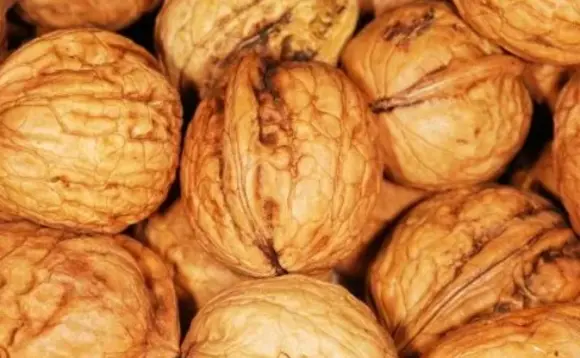
In Autumn, Peanuts And Walnuts Become The Focus Again
- Combating Autumn Dryness
Autumn dryness is a particularly troublesome characteristic of autumn. Many people experience dry mouth, constipation, dry, tight, and even flaky hair and skin.
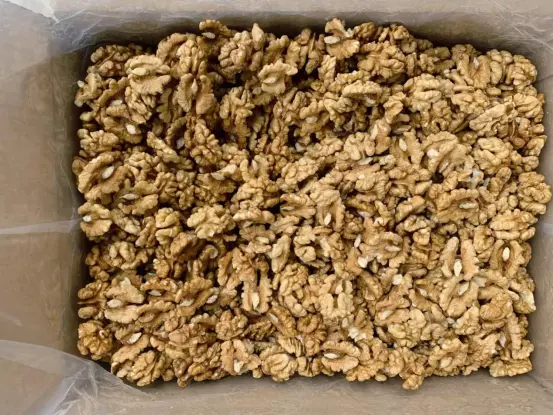
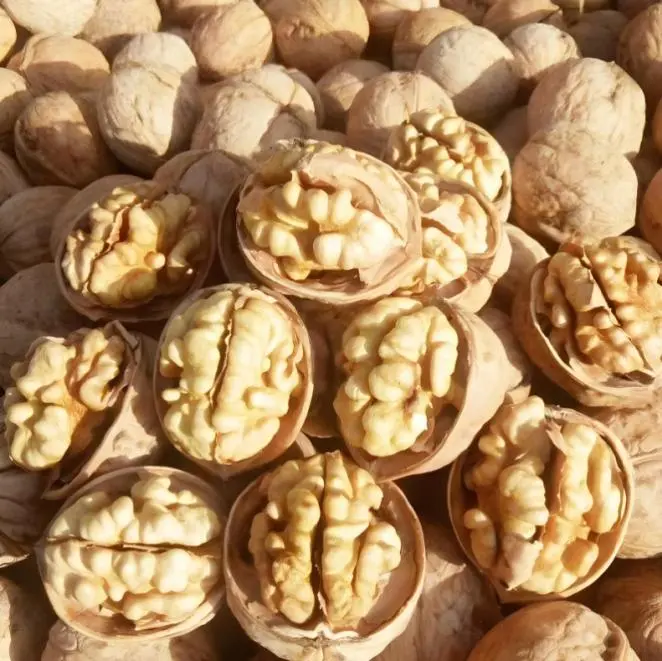
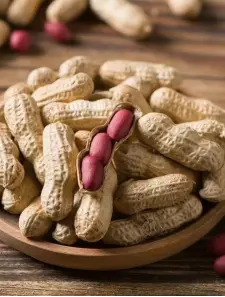
Unexpectedly, peanuts and walnuts can combat autumn dryness, particularly relieving dry skin and hair.
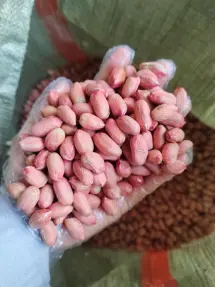
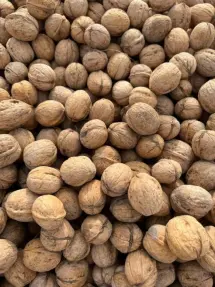
This is because peanuts and walnuts are rich in vitamin E. Every 100 grams of peanuts contains approximately 8.33 mg of vitamin E, 0.64 mg of vitamin B1, and 18.6 mg of niacin; every 100 grams of walnuts contains approximately 2.6 mg of vitamin E.
Vitamin E is a fat-soluble vitamin that not only acts as an antioxidant to reduce free radical damage to the skin, but also prevents moisture loss, repairs the skin barrier, enhances the skin's ability to retain moisture, and has anti-inflammatory properties, alleviating skin sensitivity.
Similarly, vitamin E nourishes hair, reducing dandruff and dryness.

- Nourishing Qi and Blood
In Traditional Chinese Medicine, nuts, as fruits, have the properties of calming the mind, nourishing the spleen and lungs, and are particularly beneficial for those with weak constitutions. Eating them in autumn can nourish Qi and blood.
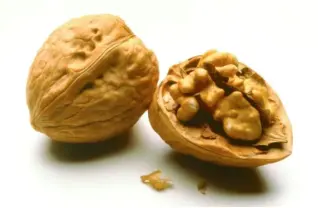
Walnut kernels are sweet and warming in nature. The Compendium of Materia Medica states that they "replenish Qi and blood, moisten dryness and resolve phlegm, benefit the body, benefit the three burners, warm the lungs and moisten the intestines." Therefore, Walnut Kernels are also known as "longevity seeds."Peanuts,on the other hand, are sweet and neutral in nature. The Compendium of Materia Medica states that they "soothe the spleen and stomach, moisten the lungs and resolve phlegm, nourish and replenish Qi, and clear the throat and relieve itching." Peanuts are neither cold nor dry, making them a rare nourishing ingredient in autumn. 3. Preventing Autumn Mood Disorders
In autumn, people are more prone to negative emotions such as sadness and depression. This is because the natural landscape of autumn creates a bleak and desolate atmosphere, which can affect those with high sensitivity.
Additionally, autumn's environmental changes can cause fluctuations in mood-regulating substances in the body. For example, levels of serotonin (5-hydroxytryptamine), which promotes happiness and calmness, decrease, while melatonin levels increase, leading to daytime drowsiness and mood swings.
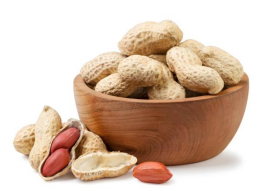
Peanuts and walnuts contain substances that can regulate mood: 100 grams of walnuts contains approximately 158 mg of magnesium and 3.1 mg of zinc; 100 grams of peanuts contains 168 mg of magnesium and 3.27 mg of zinc.
Magnesium is involved in serotonin synthesis, which can improve mood, regulate adrenal function, relieve stress and anxiety, and promote relaxation. Zinc is also an activator of key enzymes involved in the synthesis of serotonin and dopamine, and it protects the hippocampus in the brain, which is involved in emotional memory and mood regulation.