






Just 40 grams can significantly improve sleep quality!
According to the "2025 China Sleep Health Survey Report" released by the Chinese Sleep Research Society, the rate of sleep disturbances among people aged 18 and above in China is as high as 48.5%. Difficulty falling asleep at night, feeling drowsy during the day, and poor sleep quality have become major health concerns for contemporary people.
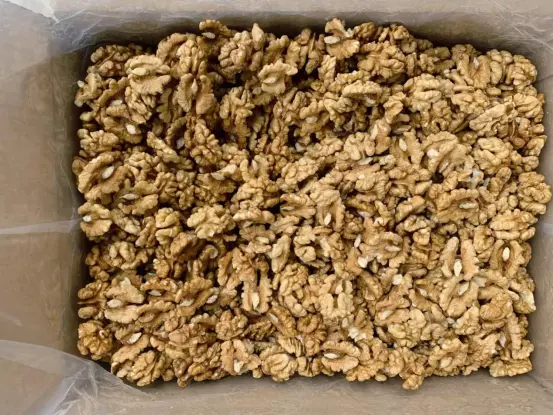
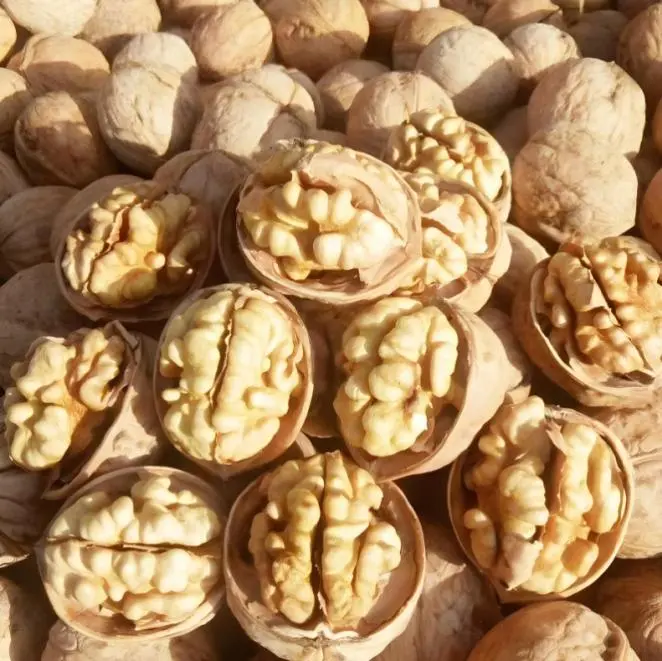
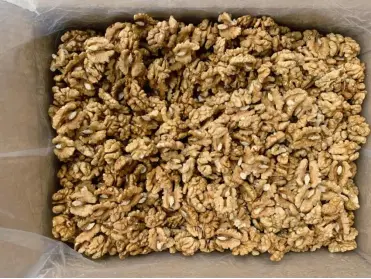
However, recently, a randomized crossover trial published in the journal Food & Function has brought new hope for improving sleep. The researchers found that eating 40 grams of walnuts (about a small handful) at dinner can significantly increase the body's melatonin metabolism level, shorten the time it takes to fall asleep, and improve overall sleep quality. This common nut, the walnut, may hold the "secret" of natural sleep assistance.

- 40 grams of walnuts can already lead to improved sleep.
This trial recruited 76 young people aged between 20 and 35 to participate in a 18-week trial. The first stage of the study lasted for eight weeks. The participants were divided into two groups: one group consumed 40 grams of walnuts at dinner every day (the intervention group), while the other group did not consume walnuts or any other nuts (the control group). After a two-week washout period, the two groups swapped roles: those who had been consuming walnuts stopped eating them, while the other group started to consume walnuts . The trial collected urine samples from the participants to measure the concentration of the metabolite of melatonin, 6-sulfatoxymelatonin (6-SMT), to obtain data.
The results showed that in the evening period after consuming walnuts (from 20:00 to 23:00), the concentration of 6-SMT in the participants' urine significantly increased, melatonin secretion significantly increased, sleep onset time shortened, and the overall sleep quality score was higher. Their daytime sleepiness also significantly decreased.
The researchers analyzed the content of compounds in walnuts that are beneficial for sleep, and found that each 40 grams of walnuts contain an average of 84.6 milligrams of tryptophan and 118 nanograms of melatonin. Tryptophan is an essential amino acid that is abundantly present in nuts such as walnuts. It is the precursor of melatonin, and the ratio of tryptophan to other competing amino acids (such as leucine and isoleucine) in walnuts is 0.058, which is close to the level of milk (0.081). This ratio helps tryptophan pass through the blood-brain barrier more smoothly, thereby converting tryptophan into melatonin. Melatonin is also known as the "sleep hormone", and it usually gradually increases at night as the external light weakens, reaching its peak in the late night, sending a "prepare for sleep" signal to the body and helping to regulate sleep, allowing us to smoothly enter a deep sleep state.
Overall, consuming 40 grams of walnuts at dinner for eight consecutive weeks can improve the secretion of melatonin, sleep quality, and alertness during the day in young people.

- Not only for sleep aid, but also many other benefits of walnuts
Walnuts, also known as hawthorns or qiangtou, are among the world's famous "four major dried fruits" along with almonds, cashews, and hazelnuts. There is a long history of people consuming walnuts. The "Compendium of Materia Medica" records: "Eating walnuts makes one healthy and strong, moisturizes the skin, darkens the hair, and excessive consumption benefits urination and eliminates five hemorrhoids." Modern research shows that walnuts contain rich components such as high-quality fats, proteins, amino acids, carbohydrates, inorganic salts, and vitamins. Besides improving sleep quality, walnuts also have pharmacological effects such as anti-inflammation, antioxidation, improvement of cognitive impairment, and delay of aging.
Anti-inflammatory: In April this year, a research result was published in the Cancer Prevention Research journal. They found that consuming a small amount of walnuts daily can help increase the level of urolithin A, effectively reducing the overall inflammatory levels in the body, and can also have a direct positive impact on the immune cells within colon polyps.
Antioxidation: Multiple studies have found that walnuts, which are rich in polyunsaturated fatty acids (such as alpha-linolenic acid), tocopherols, antioxidant polyphenols (such as ellagic acid), and prebiotics, can significantly enhance the body's antioxidant defense capacity, reduce free radical levels, lipid peroxidation, and protein oxidation. Walnuts can alleviate oxidative stress by reducing the production of free radicals and enhancing antioxidant defense capacity, thereby reducing lipid and protein oxidative damage.
Improving cognitive impairment: As the main component of amyloid plaques in the brains of patients with Alzheimer's disease, the abnormal changes of amyloid beta protein (Aβ) are closely related to the disease progression. An in vitro study using synthetic Aβ for experiments found that walnut extracts can exert a dual effect: on the one hand, they can inhibit the occurrence of Aβ fibrilization, and on the other hand, they can dissolve the already formed Aβ fibrils. This fully demonstrates that walnuts have the characteristic of resisting amyloidosis. Given that the formation of cognitive impairment and dementia is a long-term process that takes many years to manifest symptoms, long-term supplementation of walnuts in the diet may have a maintaining effect on cognitive function; moreover, it may also help people reduce the risk of developing mild cognitive impairment (MCI) and dementia through various pathways such as reducing Aβ fibrilization, alleviating oxidative damage, enhancing antioxidant defense capacity, and relieving neuroinflammation.
Delaying aging: Walnuts are a good source of melatonin and have the effect of delaying aging. Changes in the function of brain mitochondria are considered the main factor in the aging process. Removing dysfunctional or damaged mitochondria is crucial for controlling the homeostasis of brain cells. Melatonin can activate mitochondrial autophagy, thereby selectively eliminating damaged mitochondria. This indicates that melatonin helps maintain a healthy brain environment and thereby improves brain aging.
Protecting the cardiovascular system: Abnormal blood lipid levels (especially elevated low-density lipoprotein cholesterol (LDL-C) and total cholesterol (TC)) are the causes of cardiovascular diseases such as atherosclerosis. Walnuts can significantly reduce total cholesterol, low-density lipoprotein cholesterol, and triglyceride levels. The α-linolenic acid in walnuts can be metabolized by the liver into EPA and DHA. These two substances can inhibit the activity of "key enzymes for cholesterol synthesis" (such as HMG-CoA reductase) in the liver, reduce endogenous cholesterol production, and thereby lower the risk of causing atherosclerosis.
- The future development prospects of walnuts
According to Mordor data, the market size of walnuts is estimated to be 92.6 billion US dollars in 2025, and is expected to reach 117.7 billion US dollars by 2030. The compound annual growth rate during the forecast period (2025-2030) is projected to be 4.9%. Currently, walnuts are mainly consumed as snacks and are also used in the food processing industry (candies, baked goods, and dairy products), and their walnut oil is of great value.