






Recommendations for eating walnuts
Besides nourishing the brain, what other benefits does walnut have for the body?

Improves Blood Lipids
A data analysis found that compared to a control group that did not consume walnuts daily, a diet supplemented with walnuts significantly reduced plasma triglyceride (TG) levels by 5.52%, low-density lipoprotein cholesterol (LDL-C) levels by 3.73%, and total cholesterol levels by 3.25%.
These reductions are crucial for preventing hyperlipidemia and can further reduce the risk of atherosclerosis and cardiovascular disease.
Preventing Diabetes
A study suggests that a high intake of nuts, particularly walnuts, is associated with a lower risk of diabetes and obesity. Therefore, consuming nuts regularly (approximately once a day) can be part of a healthy diet to prevent obesity and type 2 diabetes.
May Promote Sleep
Melatonin is a hormone secreted by the brain's pineal gland that naturally induces sleep. However, many people experience reduced melatonin production due to physical or work-related reasons, leading to difficulty falling asleep.
Walnuts are a food rich in melatonin. One study found that feeding animals walnuts quadrupled their blood melatonin levels. Regularly consuming walnuts may help people with sleep problems.

Relieve Anxiety
Among nuts, walnuts are a particularly high source of alpha-linolenic acid. Studies have shown that alpha-linolenic acid has neuroprotective properties, alleviating anxiety symptoms, relieving emotional tension, and reducing stress.
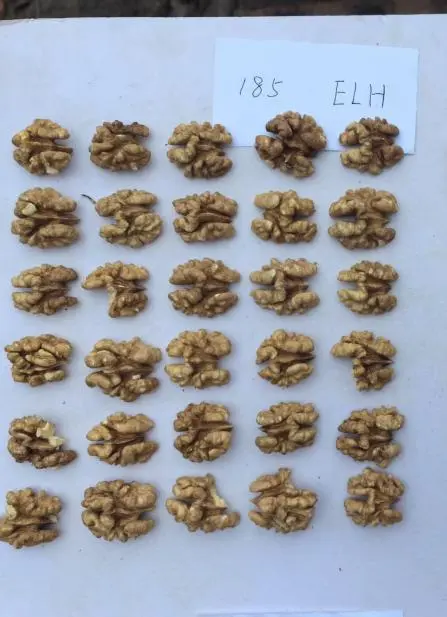
While walnuts offer numerous health benefits, they must be eaten correctly. Here are four tips for healthy walnut consumption:
Choose Plain Walnuts
There are many flavors of walnuts available on the market, such as sweet amber walnuts and salty pepper and salt walnuts. These walnuts are often high in sugar or salt, and frequent consumption can be detrimental to health, increasing the risk of dental caries, obesity, and high blood pressure.
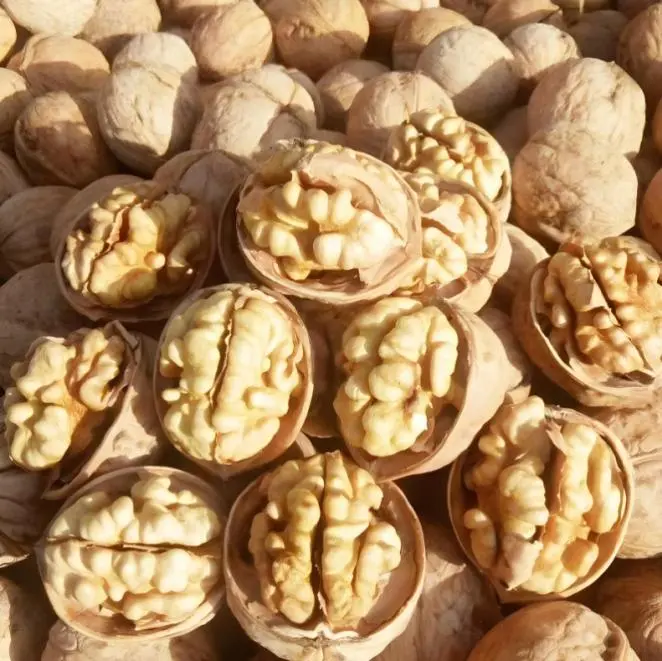
Walnuts in their plain form or intact, in their shells, are highly recommended.
It's Best to Eat Them With the Skin On
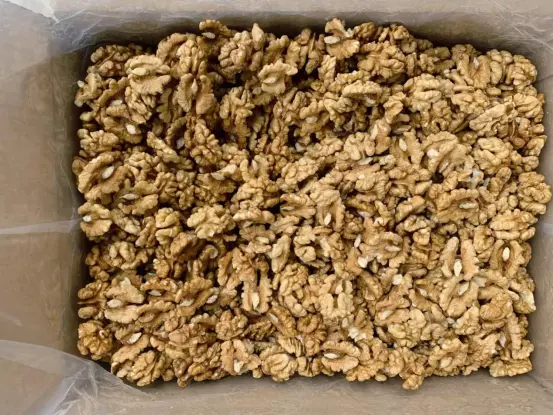
Normal walnuts have a dark brown skin that tastes bitter, which many people dislike. However, peeled walnuts are also available, leaving them white and pristine. To maximize the antioxidant benefits of walnuts, eat them with the skin on.
Be Mindful of Storage Methods
Walnut kernels are rich in polyunsaturated fatty acids and are prone to oxidation and rancidity, resulting in a rancid smell. Therefore, it's recommended to buy small quantities and store them sealed and refrigerated. It's even better if you can buy Shelled Walnuts. Store them in a cool, dry place and open them immediately before eating. Avoid moldy walnuts.
Control Your Portion Size
While regularly consuming nuts can help prevent obesity, overconsumption is advised. The "Dietary Guidelines for Chinese Residents" recommends consuming 50-70g of nuts per week, or an average of 10g per day, equivalent to one large shelled walnut or two to three pecans.