The best snack to accompany you every day: “sunflower seeds”
Overview of Sunflower Seeds: Nutritional Benefits and Uses
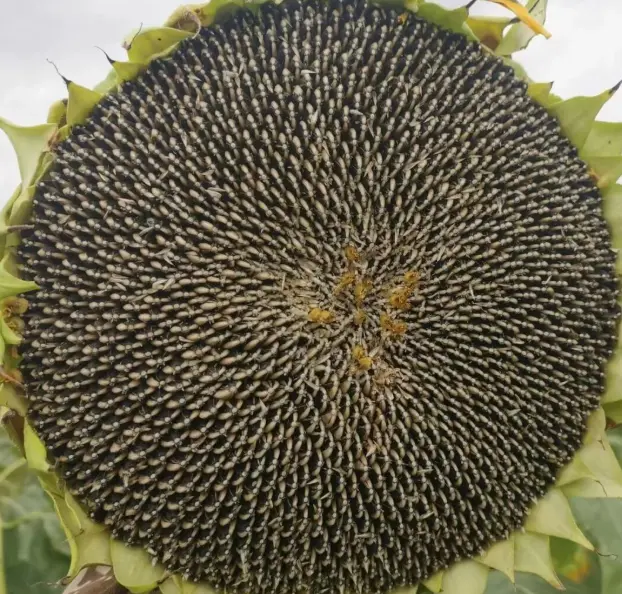
The sunflower seeds which are primarily grown in Northeast China, North China, and Northwest China. These seeds are the fruits of the annual herbaceous sunflower plant, belonging to the genus Helianthus in the Asteraceae family.
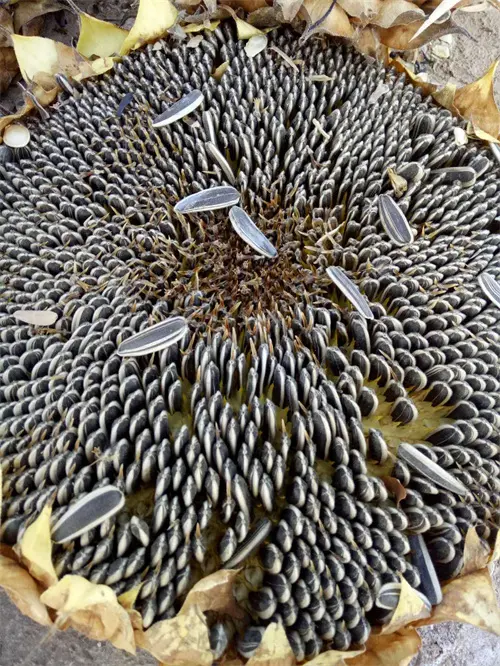
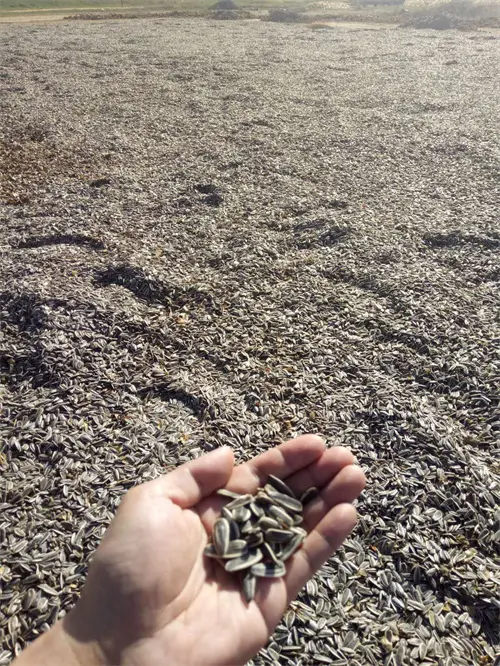
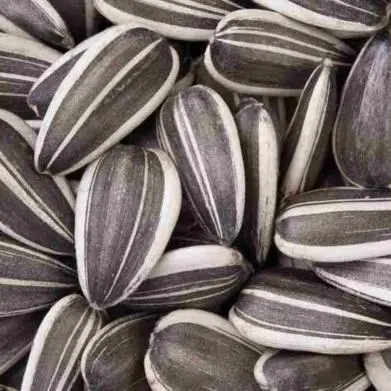
Sunflowers have thick, upright stems and are covered with dense villi. The seeds, classified as achenes, vary in size, with larger seeds located in the outer circle of the inflorescence and smaller ones in the inner circle. They are typically long, oval, or nearly round and come in various colors, including pure white, gray, and black stripes. Sunflower plants bloom from June to July, and the fruiting period lasts from August to October.
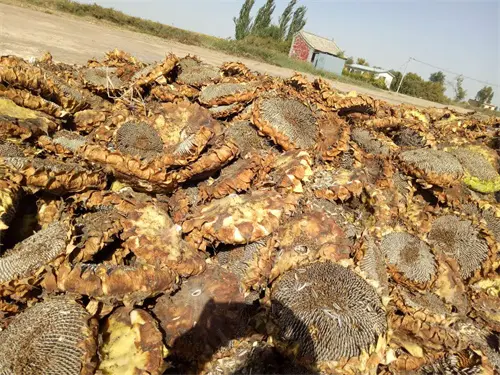
Historically, sunflower seeds have been recognized for their medicinal properties, as documented in the ancient text, "Compendium of Materia Medica." Also referred to as cantaloupe seeds, they possess a sweet and flat nature. Their health benefits include alleviating ailments such as blood madness, swelling, and poisoning, as well as calming nerves and promoting sleep. Additionally, the flower disk can nourish the lungs, resolve phlegm, and relieve asthma symptoms. Rich in vitamin E and phenolic acid—both antioxidants—sunflower seeds help combat harmful complimentary radicals in the body, potentially reducing the risk of chronic diseases, including heart disease and cancer. They are among the richest food sources of vitamin E, which supports normal nerve and muscle function while stabilizing capillary walls, ultimately improving blood circulation and preventing conditions like chapped hands and feet.
Despite their high caloric content, with approximately 610 kcal per 100 grams of peeled seeds, they provide substantial nutritional benefits, particularly in cold climates.
Sunflower seeds can be enjoyed in various ways—fried, roasted, or incorporated into dishes. They can be used whole, chopped, ground, or sprouted. Their high protein content enhances the nutritional value of salads, stuffings, sauces, baked goods, and yogurt, while their oil is recognized as a premium health product in the nutrition community. Furthermore, sunflower seeds are ideal for crafting pastries and serve as essential raw materials for oil extraction.
In summary, sunflower seeds are not merely a delightful snack but also a versatile ingredient that contributes significantly to various culinary applications and health benefits.