



The Humble Universe of a Walnut Kernel
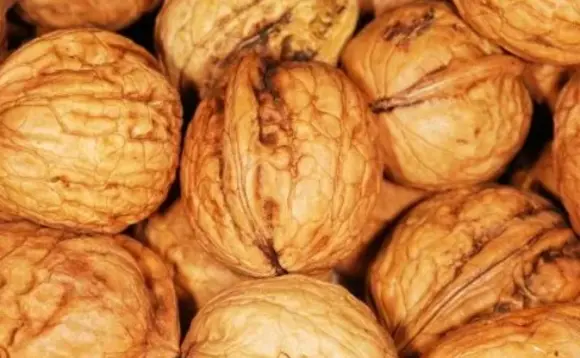
Peeling back the walnut's rugged, hard shell, the crisscrossing grooves and protrusions often deter one. However, the true miracle lies not in this armor, but in the kernel curled up within, covered in a thin, light brown membrane. It lies quietly deep within this fortified shell, like a forgotten model of the universe, unassuming yet containing the allegory of existence.
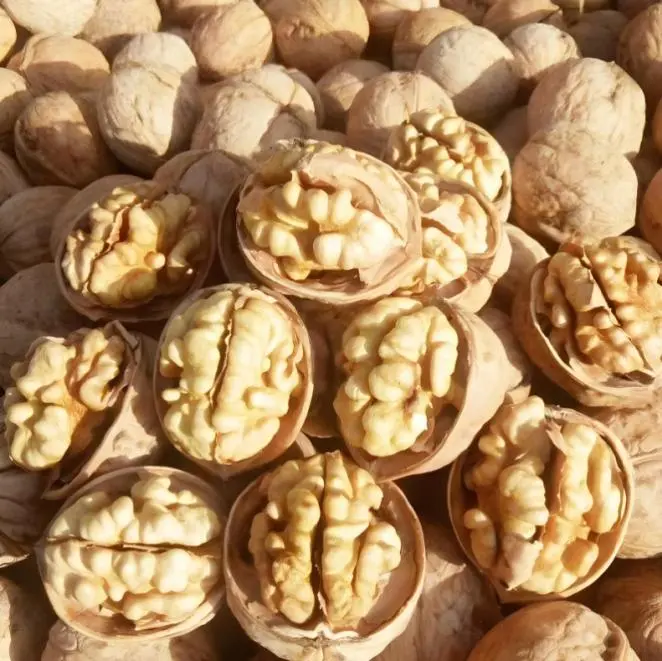
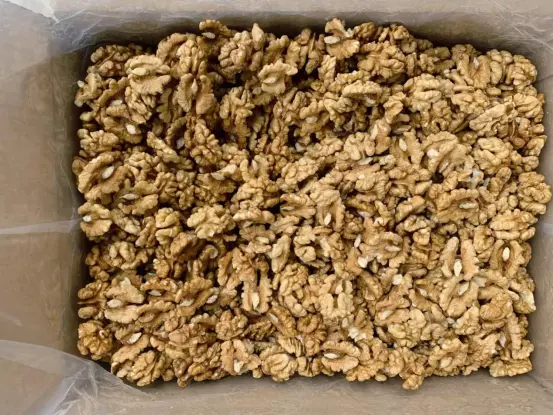
The shape of the walnut kernel is the most exquisite art of folding life. It is not perfectly round, but nestled against its internal partitions, splitting into two embracing lobes, their edges subtly undulating, like the convolutions of the brain. This is no coincidence—in the ancient wisdom of "like cures like," it is considered a precious brain tonic. But a deeper similarity lies in the truth it reveals: the richest intelligence is not found in hardness and smoothness, but precisely in resilient folds, in the deep grooves that accommodate complexity and contradiction. The brain thinks because it can fold infinite possibilities within the finite skull; the walnut kernel nourishes because it folds the essence of heaven and earth within its partitions. The thin, light brown skin enveloping the kernel is often peeled away due to its bitterness. Yet, it is precisely this delicate, almost imperceptible bitterness that protects the rich aroma and integrity of the core. It reminds us that the most valuable parts of life are often closely intertwined with a certain "unpleasantness"—the profundity of thought is accompanied by the solitude of contemplation, and the richness of growth cannot be achieved without necessary constraints and wear and tear. People pursue pure sweetness, but may lose sight of the crucial background and depth that define flavor. The bitterness of the thin skin is both the border of taste and the fulcrum of meaning.
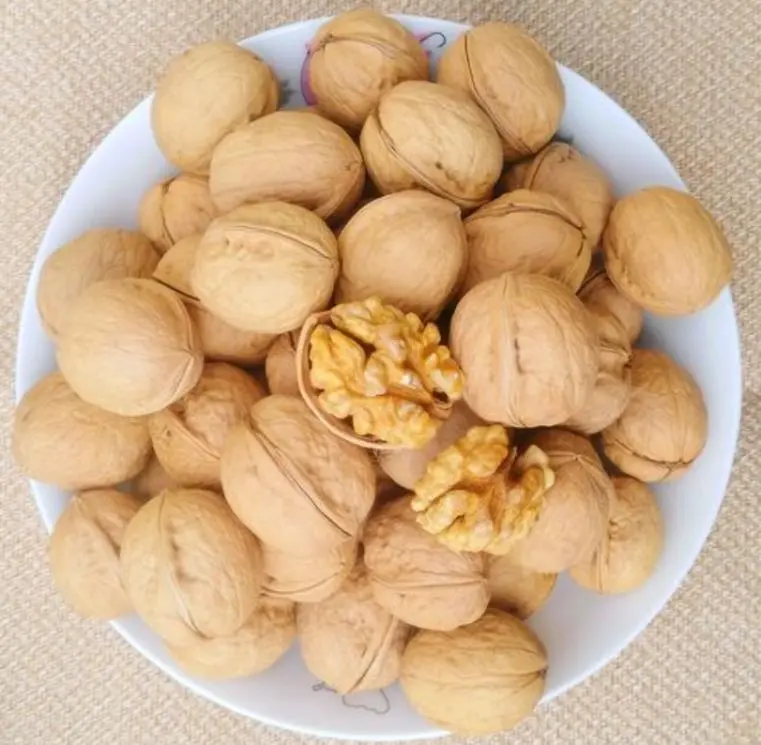
What is most moving is the inherent "weakness" of the walnut kernel It lacks the juiciness of the fruit and the absolute hardness of the nut's exterior. A slight touch of the fingertip can crush it. But this is precisely the starting point for its necessity: because it can be crushed, it can be incorporated into pastries, boiled into syrup, ground into paste, completely offering itself to create the flavor of others. This is an Eastern philosophical concept of "softness overcoming strength." Its power lies not in resistance, but in assimilation and nourishment. That seemingly indestructible shell, its ultimate purpose, is to be cracked open, allowing the softness within to complete its journey.
Looking at a small dish of walnuts on the table, I see a metaphor for existence. Aren't we each, like individuals, encased in our own "shells"—social roles, outward sharpness, or defensive barriers—a kind of "benevolence" within? The true core is that understandable softness, that shareable abundance, and the humility to be digested and integrated into the broader flow of life. The development of civilization sometimes teaches us to continuously thicken our outer shells, forgetting the art of nurturing and expressing our inner "benevolence."
Therefore, next time you crack a walnut, try to be gentle. Listen to that crisp sound; it's not a horn of conquest, but the opening of a door. What you take out is not just food, but an invitation: to savor the wisdom within the folds, the sweet aftertaste beneath the bitter exterior, the most solid nourishing power contained within its fragility.