



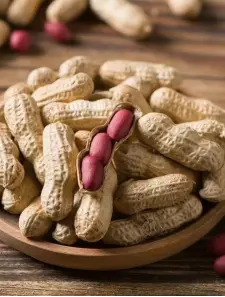
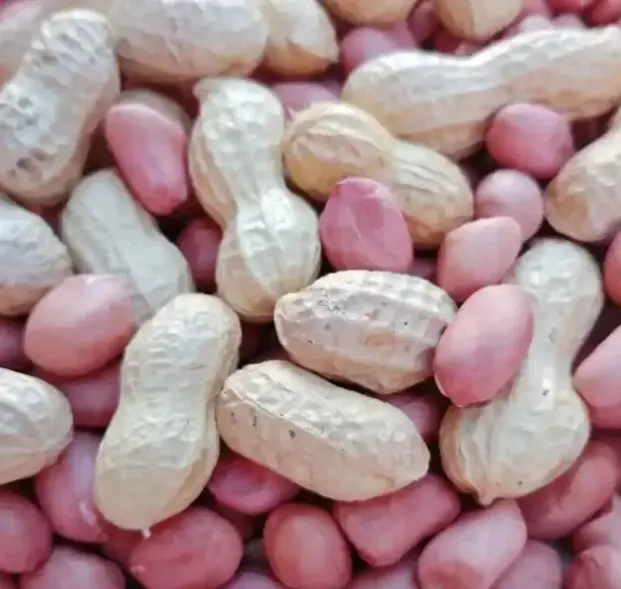
The nutritional value of a single peanut
The nutritional power of a single peanut packed with protein and antioxidants, it's more nutritious than you think.
Protein: 100 grams of peanuts contain approximately 25 grams of protein, including all eight essential amino acids required by the human body. Consuming them with grains can improve protein utilization.
Fat: Peanutsare relatively high in fat, with 44.3 grams of fat per 100 grams of raw Peanut Kernels. The fat is primarily unsaturated fatty acids, which help lower "bad cholesterol" levels and are beneficial for cardiovascular health.
Vitamins: Rich in vitamin E and B vitamins. Vitamin E is a powerful antioxidant that protects the skin; B vitamins help maintain the normal function of the nervous and digestive systems.
Minerals: Contains various minerals such as magnesium, iron, potassium, zinc, calcium, and phosphorus. Zinc promotes brain development in children, and calcium contributes to bone health.
Phytochemicals: Contains antioxidants such as resveratrol, mesocoumaric acid, and flavonoids, which can scavenge free radicals, delay aging, and prevent chronic diseases.
Dietary Fiber: The dietary fiber in peanuts helps promote intestinal peristalsis, prevent constipation, and maintain intestinal health.
