

This "longevity fruit" is really loved by the cardiovascular system
Peanuts are a common food in our daily lives. Although they are not low in fat, they often appear in various healthy diet recommendations. What are the benefits of eating peanuts regularly? How much is a suitable daily intake?
Peanuts are not only a delicious food, but also a treasure trove of nutrition.
- Source of high-quality protein
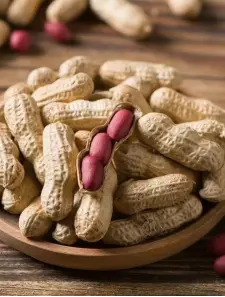
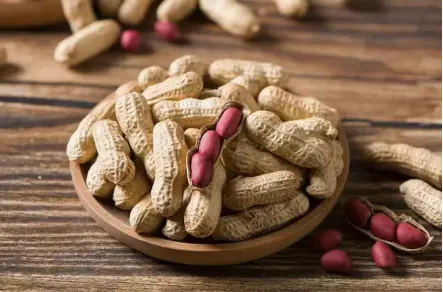
Peanuts In Shell are a good source of plant-based protein. Every 100 grams of peanuts contains approximately 25 grams of protein, ranking among the highest among nuts. Peanut protein contains all eight essential amino acids, making it a good choice for vegetarians or those looking to increase their plant-based protein intake.
- High in fat, but a large proportion is “good fat”
Peanuts are high in fat, with 44.3 grams of fat per 100 grams of raw Peanut Kernels. These "good fats" help lower "bad cholesterol" levels while maintaining or even increasing "good cholesterol" levels, which is beneficial for reducing the risk of cardiovascular disease. This is why high-fat peanuts are good for cardiovascular health.
- Make up for the lack of B vitamins in refined white rice
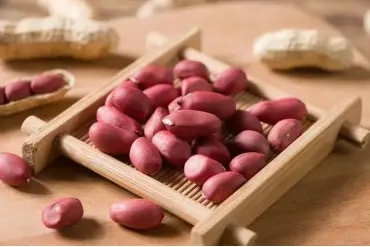
Peanut kernels are rich in B vitamins, including vitamin B1, niacin, and choline. Every 100 grams of raw peanut kernels contains 0.72 mg of vitamin B1, which plays a role in energy metabolism and maintains normal nervous system and heart function. Additionally, every 100 grams of raw peanut kernels contains 17.9 mg of niacin, which helps maintain healthy skin, mucous membranes, and the nervous system.
4.Rich in antioxidants
Peanuts contain a variety of bioactive ingredients with powerful antioxidant properties, such as resveratrol, m-coumaric acid, and flavonoids. These natural antioxidants help the body scavenge free radicals, reducing cellular damage caused by oxidative stress, and playing a role in delaying aging and preventing chronic diseases. This is one of the key reasons why peanuts are known as the "longevity fruit."
Peanuts have unexpected potential in anti-oxidation, protecting cardiovascular health and even regulating blood sugar.
- Delaying aging
The study found that eating 25 grams of roasted peanuts with skin every day can significantly increase the length of "telomeres" at the ends of the chromosomes in the participants' cells (the length of "telomeres" is closely related to cell lifespan and aging rate). This study suggests that peanuts may delay aging by protecting "telomeres", which is mainly attributed to antioxidant components such as monounsaturated fatty acids and m-coumaric acid in peanuts.
- Helps with cardiovascular health
People who regularly consume peanuts have a significantly reduced risk of stroke and cardiovascular and cerebrovascular diseases, especially the risk of ischemic stroke.
- Blood sugar friendly
Peanuts are low glycemic index (GI) foods, with a glycemic index of only 14, which means that the speed and magnitude of blood sugar rise after consumption are relatively slow, making them blood sugar-friendly foods.