






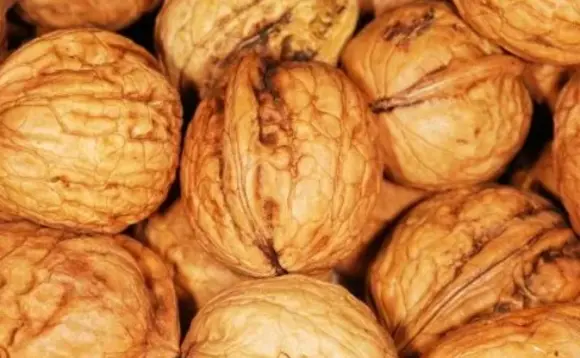
Walnut prices are expected to continue rising during the new crop!
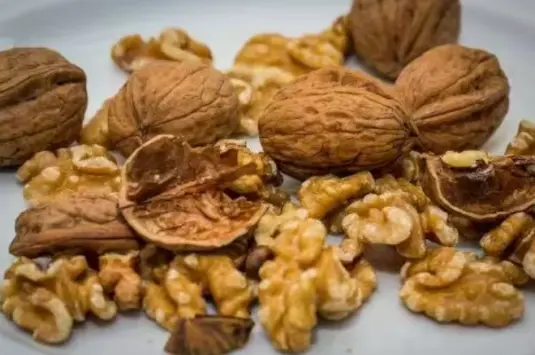 | The domestic walnut market in the new harvest season is characterized by a sporadic start and delayed bulk supply. In Yunnan, the market began to see sales starting in September, but initially, it was mainly driven by individual farmers selling their produce, without large-scale supply. Even by mid-October, the main producing areas had not yet seen concentrated supply, resulting in a persistent market shortage. While Xinjiang saw a bumper harvest, the increase was limited. Kashgar City's walnut planting area in 2025 was 26,000 mu (approximately 1,000 hectares), with an average yield of 273.91 kg per mu (approximately 11,667 kg per hectare), and an estimated total output of 7,082.4 tons. Yecheng County's Yilikeqi Township had 45,000 mu (approximately 3,333 hectares) of walnuts, with an estimated output of 10,000 tons, a moderate increase compared to previous years. The Bostan Walnut Professional Cooperative in Kuqa City had purchased over 5,300 tons by early November, but still had over 1,500 tons of orders pending delivery, indicating a tight supply in the producing areas. |
| In the international market, production in major walnut exporting countries declined significantly due to abnormal weather. California, a major producing region in the United States, was affected by a prolonged drought, resulting in a significant year-on-year decrease in walnut yield. Southern Chile experienced unusual frost during the flowering period, reducing fruit set and leading to lower-than-expected yields. Iran, a traditional major walnut exporter, once produced 386,000 tons in 2021, but its output declined in 2025 due to earlier abnormal weather. This global supply contraction directly drove up international market prices, forcing buyers to turn to China. From June to August 2025, my country's shelled walnut exports reached 15,328.44 tons, a significant increase of 54.16% year-on-year, with particularly noticeable increases in orders from Southeast Asian and European buyers. | 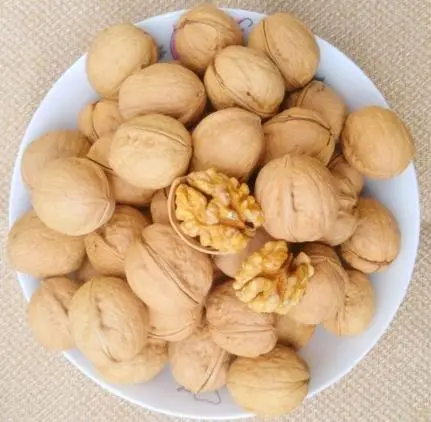 |
 | Domestic inventory is at a low level in recent years. After destocking in the first half of the year, domestic industry inventory has bottomed out. Xinjiang's walnut inventory from the previous season has been largely depleted, with only a small amount of high-quality fruit remaining to supply high-end orders. Processing enterprises in Yunnan generally have no inventory, and some have reduced their operating rates due to insufficient raw materials, even unable to guarantee supply of all sizes. The urgent need for replenishment in the distribution chain provides a basic floor for prices. |
Against the backdrop of "international export diversion + tight domestic supply", domestic walnut prices have steadily increased. As of October 10, the Yunnan Yongping walnut dried fruit price index was 1331.57 points, up 4.25% from September 26 and up 33.16% from the base period; the average purchase price during the same period was 14.34 yuan/kg, up 4.25% from the previous period. The purchase price of thin-Shelled Walnuts in Xinjiang's Yecheng County and Kuqa City gradually climbed from 12.8 yuan/kg in early September to 14.2 yuan/kg in early October, an increase of approximately 10.9%, reflecting upward pressure on raw material prices in major producing areas. Domestic export prices have risen in line with the international market. The FOB price of export-grade paper-shelled walnuts from Uqturpan County, Xinjiang, is approximately $2.8/kg, a 16.7% increase compared to the same period last year. Although this is $0.3/kg higher than the price of similar products from California, USA, its stable supply advantage still attracts Southeast Asian buyers.
A concentrated influx of new season demand after October may trigger a temporary price correction. However, if the arrival volume far exceeds demand, traders selling at low prices could lead to price fluctuations. In the medium to long term, however, the combined effect of household consumption and New Year's Day/Chinese New Year stockpiling in the fourth quarter indicates strong resilience in nut consumption. Guotai Junan Securities predicts that the earlier Chinese New Year, coupled with the trend towards value for money, will likely lead to continued high growth in nut gift boxes, further boosting walnut demand. Meanwhile, production in major global exporting countries is unlikely to recover in the short term. Although the new season in China will see a concentrated influx of new supply, production areas such as Kuqa have already experienced a situation where "purchases are less than orders." Furthermore, with low industry inventory, restocking demand will absorb the increased supply, leading to a continued upward trend in walnut prices in the future.