




What Are The Benefits Of Eating Pumpkin Seeds?
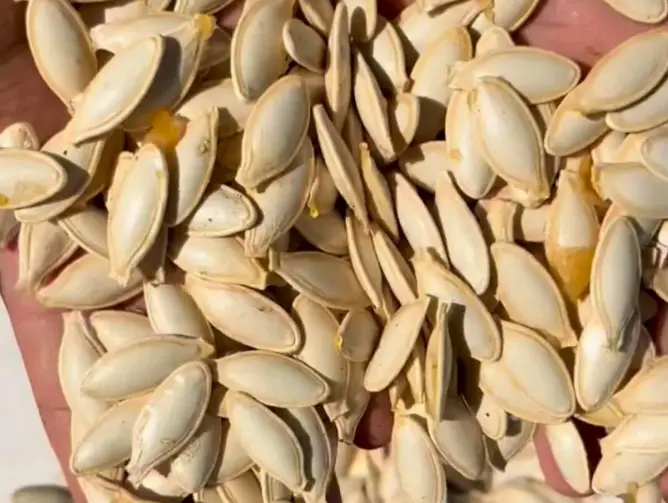
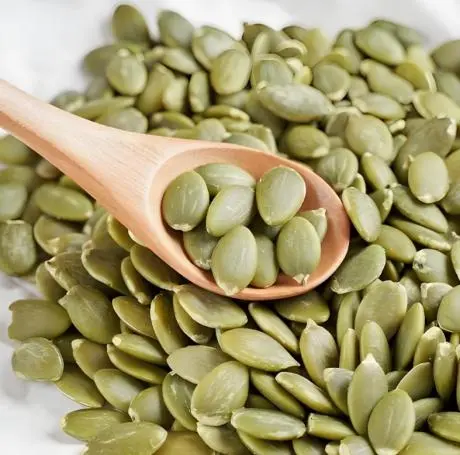
Pumpkin seeds are often considered an inconspicuous side dish in everyday snacks, and most people simply discard them when eating pumpkin, unaware that these tiny seeds hold a wealth of nutritional secrets. From a medical nutrition perspective, consistently eating a small handful (about 20-30 grams, or 15-23 seeds) of pumpkin seeds daily can bring various gentle improvements to the body over time, making it especially suitable for the physical needs of modern people. However, it's important to note that it's not a "panacea," and proper consumption is key.
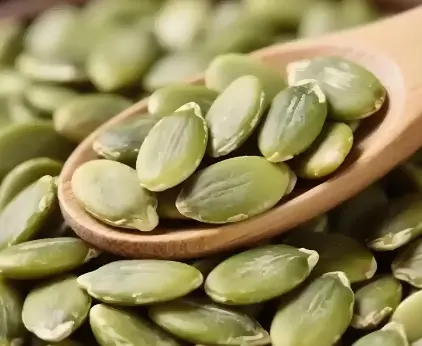
One of the core advantages of pumpkin seeds is their gentle protection of the cardiovascular system. Pumpkin seeds are rich in unsaturated fatty acids, with a particularly high proportion of linoleic acid and alpha-linolenic acid. These two components help regulate cholesterol levels in the blood, reduce the deposition of low-density lipoprotein (bad cholesterol), and lower the risk of atherosclerosis. They also contain abundant potassium and magnesium. Potassium promotes sodium excretion and maintains stable blood pressure, while magnesium relaxes vascular smooth muscle and helps improve blood circulation. Clinical observations have found that people who consume nuts (including pumpkin seeds) in moderation over a long period have a relatively lower incidence of cardiovascular disease, making them especially suitable as a daily health-maintaining food for middle-aged and elderly people.
The positive effects on reproductive health are noteworthy, especially for men. Pumpkin seeds are a natural "zinc treasure trove," and zinc is a key nutrient for maintaining testicular function and promoting sperm production and motility. Zinc deficiency can easily lead to decreased sperm quality and reduced libido. Furthermore, the phytosterols in pumpkin seeds can competitively inhibit the absorption of cholesterol in the intestines and have a certain alleviating effect on benign prostatic hyperplasia, reducing discomfort such as frequent urination and difficulty urinating in middle-aged and elderly men. For women, moderate consumption can also help regulate endocrine function and enhance immunity due to the presence of zinc.
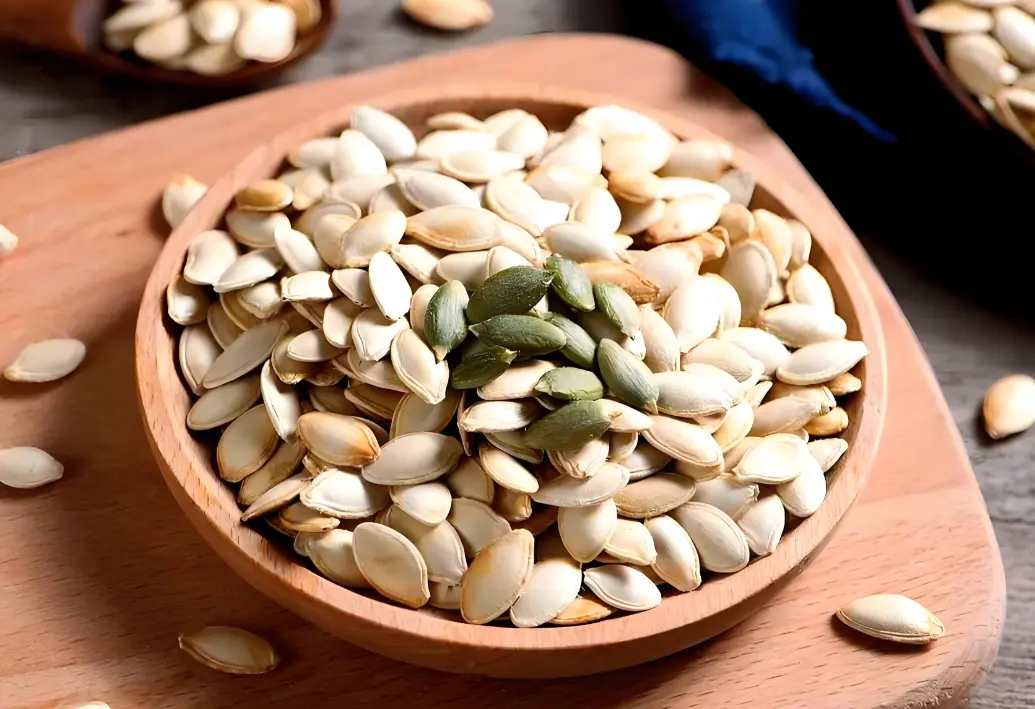
It can help improve intestinal function and bone health. Pumpkin seeds are rich in dietary fiber, which can promote intestinal peristalsis, increase stool volume, relieve constipation, and nourish beneficial intestinal bacteria, maintaining intestinal flora balance. At the same time, they contain a well-balanced combination of minerals such as calcium, phosphorus, and magnesium. Calcium is a major component of bones, phosphorus promotes calcium absorption, and magnesium participates in bone metabolism. Long-term consumption can supplement basic nutrients for bone health, making it especially suitable for menopausal women and the elderly.
In addition to their nutritional value, pumpkin seeds also provide the body with various trace elements and antioxidants. Vitamin E, a powerful antioxidant, can eliminate free radicals in the body and slow down cell aging; selenium can enhance immunity and reduce the risk of infection. For people who frequently stay up late or experience excessive stress, consuming pumpkin seeds in moderation can quickly replenish energy and relieve fatigue.
It's important to note that while pumpkin seeds are beneficial, they should not be consumed in excess. 100 grams of pumpkin seeds contain approximately 550 calories; excessive consumption can easily lead to excessive calorie intake and weight gain. Furthermore, they contain a moderate amount of purines, so patients experiencing an acute gout attack should avoid them. Small amounts can be consumed during remission. Additionally, it's recommended to choose plain pumpkin seeds; salted, candied, or roasted varieties add extra calories and negate some of their health benefits.
In conclusion, pumpkin seeds are a highly cost-effective natural food. A small handful daily can satisfy your cravings while gently nourishing your body. However, they should only be used as a supplement to a healthy diet and cannot replace medication for treating illnesses. Maintaining a balanced diet, regular sleep patterns, and moderate exercise are essential to transforming these small nutritional accumulations into lasting health benefits.