2026 Best Peanut Kernels Quality for Global Buyers?
As global demand for high-quality peanut kernels rises, buyers seek reliable suppliers. The quality of peanut kernels can significantly impact various industries, from snacks to culinary applications. In 2026, understanding the best practices in sourcing peanut kernels is crucial.
Buyers need to consider factors such as origin, processing methods, and storage conditions. Not all peanut kernels meet the same standards. Geographic regions play a vital role in defining quality characteristics. For example, peanuts from specific countries may offer unique flavors and textures.
Inspecting the color and size of peanut kernels is essential in assessing their quality. Inferior kernels can lead to disappointing end products. Furthermore, ongoing sustainability practices should not be overlooked. A reflective approach towards sourcing will ensure ethical practices. In a competitive marketplace, informed decisions will drive the success of buyers seeking the best peanut kernels.
Understanding Peanut Kernels: Types and Characteristics
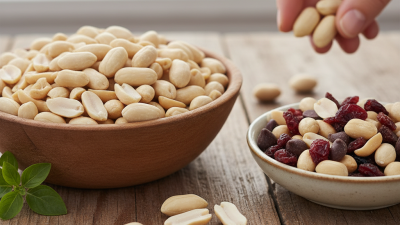
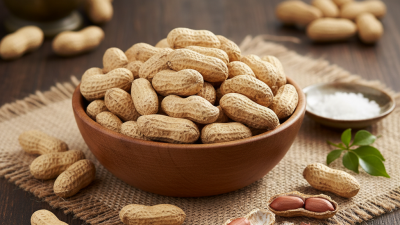
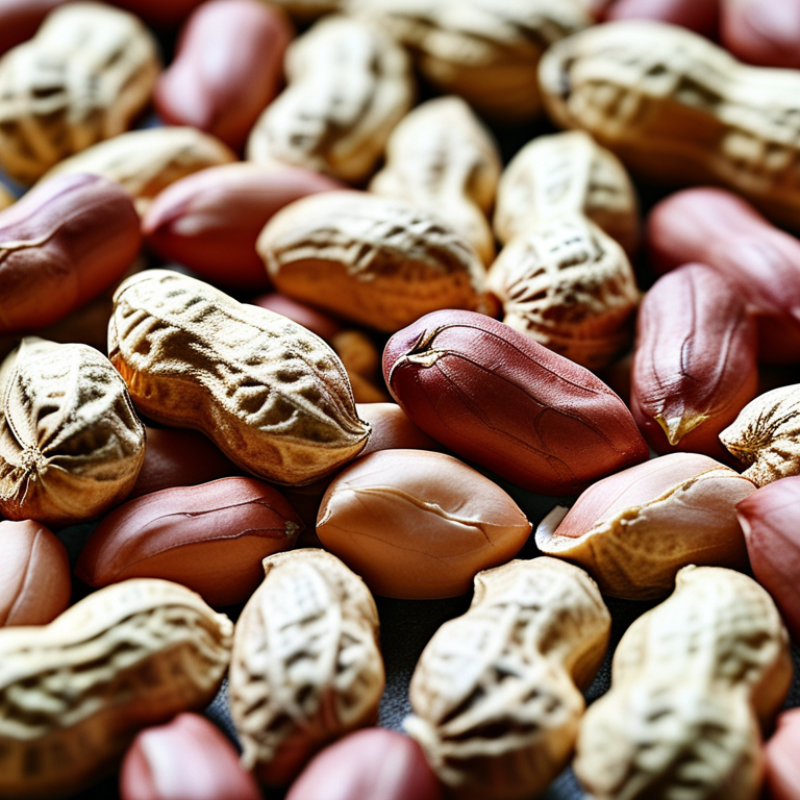
Peanut kernels come in various types, each with unique characteristics. These variations can significantly influence flavor, texture, and nutritional value. For global buyers, understanding these differences helps in making informed decisions. The most common types include Virginia, Runner, Spanish, and Valencia peanuts. Each type has distinct sizes and tastes, suitable for diverse uses.
Virginia peanuts are large and ideal for snack foods. Their crunchiness makes them a favorite in many markets. Runner peanuts are smaller and are primarily used for peanut butter due to their uniformity. Spanish peanuts are known for their reddish-brown skin and higher oil content, offering richer flavor. Valencia peanuts are sweet and often used in specialty products, particularly for roasted snacks.
**Tip:** Always request samples. Tasting peanuts from different batches helps to ensure quality.
Another essential factor is the quality of peanuts. Look for kernels that are firm and free from blemishes. Poor quality or damaged peanuts can spoil the overall flavor of your product. Be cautious of peanuts with a rancid smell, as they may not be fresh.
**Tip:** Make sure to check the harvest date. Fresh peanuts retain better taste and nutritional properties.
Factors Influencing the Quality of Peanut Kernels
The quality of peanut kernels is influenced by various critical factors. Firstly, the growing conditions play a pivotal role. Soil type, climate, and farming practices significantly affect the final product. A 2022 report from the International Peanut Research Association indicates that peanuts grown in sandy loam soils tend to have a higher oil content, enhancing flavor and nutritional value.
Moreover, post-harvest processes are crucial. Improper handling can lead to contamination and spoilage. Temperature and humidity must be carefully monitored during storage. A study published in Agricultural Reviews shows that peanuts stored above 15% moisture are more susceptible to mold, which can compromise quality. This suggests that even slight deviations in handling can yield poor quality, which is often overlooked in production protocols.
Additionally, genetic factors cannot be ignored. Breeding techniques have advanced, but not all varieties are suited for every climate or purpose. A recent analysis revealed that high-yield varieties could sometimes sacrifice taste and texture. This trend underscores the importance of balancing yield with quality considerations, emphasizing a reminder for producers to reflect on their practices regularly.
Top Regions Producing Premium Peanut Kernels Worldwide
When it comes to premium peanut kernels, certain regions lead the way in quality and production. The United States, particularly Georgia, is known for its excellent peanuts. The warm climate and rich soil contribute to the robust flavor and texture. Farmers in this region carefully select their seeds and use sustainable farming practices, ensuring that every batch of peanuts meets high standards.
China is another significant player. The country produces a large quantity of peanuts, especially in Shandong province. Here, diverse farming techniques enhance the taste and nutritional value. However, some issues with consistency can arise due to weather variations and farming methods. In India, the Gujarat region also excels, with farmers prioritizing quality over quantity. They focus on traditional cultivation methods, which often yield superior taste.
While these regions are known for quality, challenges persist. Quality control can be difficult, especially with large-scale production. Many buyers report fluctuations in taste and quality from season to season. It's crucial for buyers to establish strong relationships with reliable suppliers, ensuring they receive the best products consistently. Understanding these dynamics helps buyers make informed decisions in the global market.
Evaluating Peanut Kernels: Standards and Testing Methods
When evaluating the quality of peanut kernels, standardized testing methods are essential. Quality control ensures that peanuts meet buyer specifications. Common parameters include size, color, and moisture content. Each factor significantly impacts both flavor and shelf life.
Tips: Always check the moisture content. A level above 7% can lead to spoilage. Consider visual inspection for signs of damage or discoloration. Consistency is key in quality assessment.
Testing should include sensory evaluation as well. A taste test can reveal nuances that laboratory tests may miss. While laboratory results offer clarity, sometimes they lack practical insights. It's important to balance scientific data with hands-on experience.
Buyers should remain vigilant. Not all suppliers adhere to the same quality benchmarks. Understanding global standards can help in making informed choices. Aim for suppliers with transparent testing processes.
2026 Best Peanut Kernels Quality for Global Buyers
This chart displays the quality evaluation of peanut kernels based on three key standards: Size, Moisture Content, and Color Quality. The values are averaged from various testing methods to provide global buyers with an overview of the best quality peanut kernels available in 2026.
Market Trends and Opportunities for Global Peanut Buyers
The global peanut market is evolving fast. Buyers are looking for high-quality peanut kernels that suit their needs. Understanding the latest trends can help buyers make informed decisions.
One significant trend is sustainable sourcing. Many suppliers are adopting eco-friendly practices. This appeals not only to buyers but also to consumers who prefer ethical products. Price fluctuations are common in this market. Buyers need to stay updated on market prices to avoid overpaying.
Tips: Consider building relationships with suppliers. Regular communication can lead to better deals. Diversifying your sources can also mitigate risks associated with price spikes. Monitor the quality of incoming shipments. Inconsistencies can affect your end product.
Another opportunity lies in emerging markets. Many countries are increasing their peanut consumption. This growth presents new avenues for buyers. However, entering these markets requires careful research. Understanding local regulations and preferences is crucial for success. Being informed can lead to fruitful partnerships.
2026 Best Peanut Kernels Quality for Global Buyers
| Region |
Average Kernel Size (mm) |
Oil Content (%) |
Protein Content (%) |
Defect Rate (%) |
Market Price (USD/kg) |
| China |
19.5 |
49.0 |
26.0 |
2.0 |
1.20 |
| India |
18.0 |
48.5 |
25.5 |
3.0 |
1.15 |
| USA |
20.0 |
50.0 |
27.0 |
1.5 |
1.30 |
| Argentina |
19.0 |
45.0 |
24.0 |
2.5 |
1.10 |
| Nigeria |
17.5 |
44.0 |
23.0 |
4.0 |
1.00 |