Best Pumpkin Seeds Kernels for Health and Snacking Benefits?
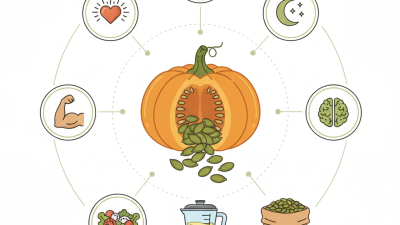
Pumpkin Seeds Kernels are a nutritional powerhouse, often overlooked in healthy snacking options. These small seeds pack a big punch when it comes to health benefits. They are rich in essential nutrients, making them ideal for those seeking a healthier lifestyle. Each serving of pumpkin seeds offers good amounts of magnesium, zinc, and healthy fats.
In recent years, the popularity of Pumpkin Seeds Kernels has surged. People are discovering their versatile uses in both sweet and savory dishes. From salads to granola bars, these seeds can enhance any meal. However, not all pumpkin seeds are created equal. Some brands focus on quality, while others may cut corners. This makes it crucial for consumers to choose wisely.
While snacking on Pumpkin Seeds Kernels, it’s easy to forget moderation. It’s important to reflect on portion sizes. Overindulgence can lead to unintended calorie intake. Thus, balancing their consumption with a varied diet is recommended. Making informed choices about the seeds you consume will help maximize their health benefits.
Best Pumpkin Seeds Kernels: An Overview of Their Nutritional Value
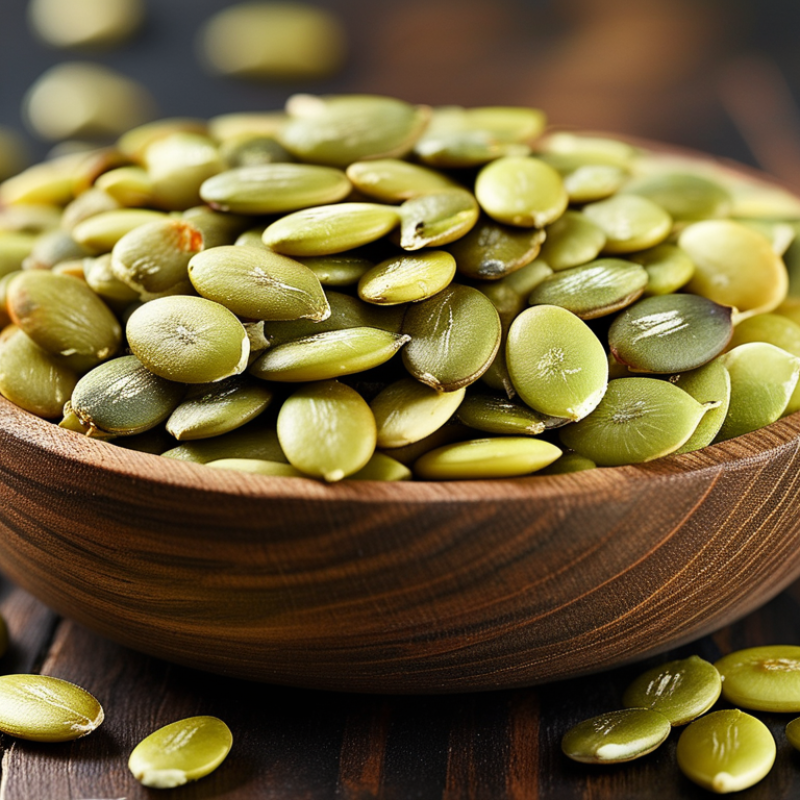
Pumpkin seeds are a nutritional powerhouse. They are rich in magnesium, zinc, and healthy fats. Magnesium plays a significant role in muscle function and energy production. Just a small handful can boost your daily intake of essential nutrients.
These seeds are also high in antioxidants, which combat oxidative stress. They offer anti-inflammatory benefits too. Pumpkin seeds can support heart health and improve your mood. However, not all seeds are created equal. Quality can vary greatly. Look for raw or lightly roasted options to maximize health benefits.
Snacking on pumpkin seeds is a tasty choice. They can be added to smoothies, salads, or eaten on their own. Ensure you store them in a cool, dark place. Freshness impacts flavor and nutritional value. Enjoying these seeds in moderation is key. It’s easy to overindulge, so be mindful of portion sizes.
Health Benefits of Consuming Pumpkin Seeds for Overall Wellness
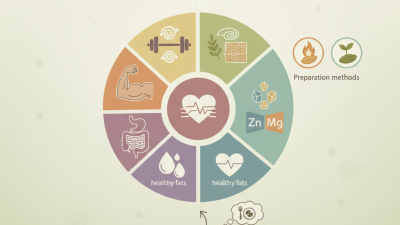
Pumpkin seeds, also known as pepitas, offer numerous health benefits that support overall wellness. Packed with essential nutrients, they contain high levels of magnesium, zinc, and healthy fats. A 2022 report by the Food and Agriculture Organization highlighted that just one ounce of pumpkin seeds provides about 37% of the recommended daily intake of magnesium. This mineral plays a crucial role in maintaining heart health, muscle function, and bone density.
Heart health is further supported by the seeds’ rich content of omega-3 and omega-6 fatty acids. These fats help reduce inflammation and lower cholesterol levels. A study published in the Journal of Nutritional Science indicated that regular consumption of pumpkin seeds may decrease the risk of heart disease by up to 30%. Additionally, their antioxidant properties protect against oxidative stress, which is linked to chronic diseases.
While pumpkin seeds are nutritious, moderation is key. Overconsumption can lead to excess calorie intake, potentially counteracting their benefits. Focusing on portion control can help maximize their positive effects on health. It’s worth reflecting on how incorporating these seeds into a balanced diet can enhance overall wellness, but mindful eating remains essential.
Best Pumpkin Seeds Kernels for Health and Snacking Benefits
| Nutrient |
Amount per 100g |
Health Benefits |
| Protein |
30g |
Supports muscle repair and growth |
| Fat |
49g |
Contains healthy fats beneficial for heart health |
| Fiber |
6g |
Promotes digestive health and satiety |
| Magnesium |
592mg |
Helps regulate muscle and nerve function |
| Zinc |
7.64mg |
Boosts immune system and aids in healing |
| Antioxidants |
High content |
Protects against oxidative stress |
Delicious Ways to Incorporate Pumpkin Seeds into Your Snacks
Pumpkin seeds are not only nutritious but also versatile. They can be easily incorporated into various snacks. One delicious way is to sprinkle them over yogurt or oatmeal. This adds a crunchy texture and a nutty flavor. The seeds are rich in magnesium and zinc, which are essential for health. Experimenting with different flavored toppings can make this snack even more enjoyable.
Another great method is mixing pumpkin seeds into homemade granola. Combine oats, honey, and dried fruits with these seeds. Bake until golden brown for a crunchy treat. The seeds provide a boost of protein, making it a satisfying breakfast option. You can also try adding them to salads for extra crunch. They pair well with leafy greens, avocado, and a light vinaigrette.
Consider roasting pumpkin seeds with spices. This enhances their flavor significantly. A dash of cayenne or smoked paprika can make your snacking experience exciting. Share these seeded snacks with friends and family. The process can foster connections and creativity. Each bite can remind you to reflect on your snacking habits and explore new possibilities.
Choosing the Right Type of Pumpkin Seeds for Maximum Benefits
When selecting pumpkin seeds, it's important to consider their
health benefits.
Raw or roasted, these seeds pack a nutritional punch. They are rich in
magnesium,
zinc, and
healthy fats,
all essential for bodily functions. You might prefer the chewy texture of raw seeds
over the crunch of roasted ones. But roasting can intensify their flavor.
Nutritional profiles differ across pumpkin seed varieties. For instance, hulless seeds are
easier to consume and digest.
Some may find the taste of brightly seasoned seeds appealing, while others enjoy their
natural flavor. An exploration of your taste buds can enhance your snacking experience,
but not all seasoning is healthy. Always opt for
natural and simple seasonings to maximize benefits.
Consider the origin of your pumpkin seeds. Locally sourced seeds
might be fresher and more flavorful. Packaging can affect shelf life and freshness. Don’t overlook the importance of storage;
airtight containers keep seeds crunchy longer. While you enjoy them,
be mindful of portions. Even healthy snacks should be consumed in moderation. Keeping track of your intake can help
maintain a balanced diet.
Storage and Preservation Tips for Fresh Pumpkin Seed Kernels
Proper storage of fresh pumpkin seed kernels is crucial for maintaining their flavor and nutritional benefits. After purchasing or harvesting, keep them in an airtight container. Glass jars or resealable bags work well. They need a cool, dry place, away from direct sunlight. A pantry or cupboard is ideal. Moisture can quickly spoil them, so ensure your environment is dry.
Refrigeration is another option. If you plan to store them for longer periods, placing them in the fridge can help preserve their freshness. Remember to let them come to room temperature before using. Vacuum sealing is also an effective method. It removes air and keeps the seeds fresh longer. However, not everyone has a vacuum sealer at home.
Even with these tips, fresh pumpkin seeds may still lose some flavor over time. Checking for a rancid smell or stale taste is essential before consuming. Regularly inspect your stored seeds. If they look or smell off, it’s best to discard them. Proper storage requires attention and care. Mistakes can happen, so keep adjusting your methods until you find the best routine for your needs.
Health Benefits of Pumpkin Seed Kernels
This bar chart illustrates the nutritional components of pumpkin seed kernels per 100 grams, highlighting their health benefits, including magnesium, zinc, iron, omega-3 fatty acids, and antioxidants, which contribute to overall well-being.