How to Buy Quality Pine Nuts for Global Sourcing?
When it comes to sourcing pine nuts, quality is paramount. These seeds are not just culinary delights; they are packed with nutrients and flavor. However, buyers often face challenges in identifying high-quality pine nuts among various suppliers. Understanding the key factors that contribute to the quality of pine nuts is essential for making informed sourcing decisions.
Many factors influence the quality of pine nuts. Origin, processing methods, and storage conditions all play a significant role. For example, pine nuts from certain regions may have a superior flavor profile. Yet, it can be difficult to find reliable suppliers who consistently meet these standards. Vigilance is necessary. Buyers should look for transparency in sourcing practices and certifications that indicate quality.
Additionally, the market is saturated with options that may confuse potential buyers. Inconsistent grading systems and varying definitions of "quality" can lead to misguided purchases. Reflecting on past experiences with mediocre pine nuts can guide future choices. It is crucial to approach sourcing with a discerning eye and a commitment to finding the best.

Understanding the Global Pine Nut Market and Its Key Players
The global pine nut market has seen significant growth in recent years. According to industry reports, the market is expected to reach approximately $2.5 billion by 2025. This rise is driven by increasing demand for healthy snacks and culinary uses. Pine nuts are rich in nutrients, appealing to health-conscious consumers. Their unique flavor enhances dishes, making them a sought-after ingredient.
Key players in the pine nut industry include both small-scale producers and larger agricultural companies. Regions like China, South Korea, and the United States dominate production. In China, production accounts for nearly 50% of the global supply. However, supply chain challenges can impact availability and prices. Supply constraints can lead to price fluctuations, making sourcing tricky for buyers. It's essential to establish reliable connections with suppliers to ensure quality and consistency.
Understanding market trends and the competitive landscape is vital for successful sourcing. Reports indicate a shift toward organic products, reflecting consumer preferences. As sustainability becomes more important, ethical sourcing practices are increasingly in demand. However, achieving these standards can be complex. Buyers must navigate regulations and certification processes. This complexity may add layers to procurement, requiring careful planning and foresight.
How to Buy Quality Pine Nuts for Global Sourcing? - Understanding the Global Pine Nut Market and Its Key Players
| Country |
Pine Nut Type |
Average Price (per kg) |
Key Exporters |
Market Share (%) |
| China |
Korean Pine Nuts |
$20 |
Various Local Traders |
60 |
| Russia |
Siberian Pine Nuts |
$25 |
Local Cooperatives |
25 |
| United States |
Western Yellow Pine Nuts |
$30 |
Local Processors |
10 |
| Italy |
Stone Pine Nuts |
$28 |
Local Farms |
5 |
| South Korea |
Korean Pine Nuts |
$22 |
Local Companies |
5 |
Identifying Quality Criteria for Sourcing Pine Nuts Internationally
When sourcing pine nuts on a global scale, identifying quality is crucial. Pine nuts vary significantly in taste, texture, and nutritional value. According to the International Nut and Dried Fruit Council, high-quality pine nuts boast a moisture content below 5%. This factor is vital since excess moisture can lead to spoilage and rancidity.
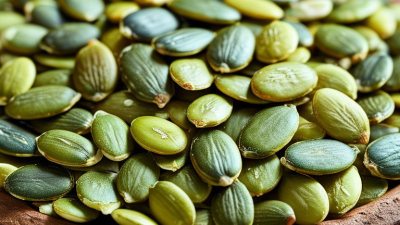
Consider the appearance of the pine nuts. They should be plump and uniform in size, with a creamy to golden color. Darker nuts may indicate poor quality or rancidity. Additionally, evaluating the aroma is essential. Fresh pine nuts will have a sweet, buttery scent, while stale nuts often smell musty. This sensory evaluation is commonly recommended by food quality experts.
Pay attention to packaging too. Quality pine nuts are typically vacuum-sealed or stored in airtight containers. This helps maintain freshness. Avoid bulk bins where nuts can be exposed to air, light, and contaminants. Data shows that improper storage leads to a rapid loss of quality.
When buying, it's beneficial to request samples. This allows you to assess flavor and texture before making a large commitment. Don't hesitate to ask suppliers about their sourcing practices. Transparency is a good indicator of reliability in the pine nut supply chain.
Pine Nuts Quality Criteria for Global Sourcing
Evaluating Sourcing Regions: Major Producers of Pine Nuts Worldwide
When evaluating sourcing regions for pine nuts, several countries stand out as major producers. China is the largest exporter, contributing about 70% of the world's supply. Their unique climate and forest resources create favorable conditions for the development of high-quality pine nuts. Analysis by the Food and Agriculture Organization (FAO) indicates a consistent increase in production, emphasizing the importance of this region in global trade.
Another key player is North Korea, which has a long-standing tradition of harvesting pine nuts. The country produces a specific variety known for its rich flavor and nutritional profile. According to several trade reports, the demand for North Korean pine nuts has gradually increased over the past few years. However, sourcing from this region can be complicated due to geopolitical factors and market access issues. This complexity necessitates careful consideration when building supply chains.
Central Asia also offers promising sourcing opportunities. Countries like Kazakhstan and Kyrgyzstan produce Siberian pine nuts, highly valued for their taste and health benefits. Though their output is smaller compared to China and North Korea, the quality is exceptional. Various studies highlight that these regions may provide a more sustainable approach to sourcing, given their lesser environmental impact. Exploring these varied sources can yield diverse options, but challenges in consistency and availability remain.
Analyzing Pricing Trends and Economic Factors in Pine Nut Procurement
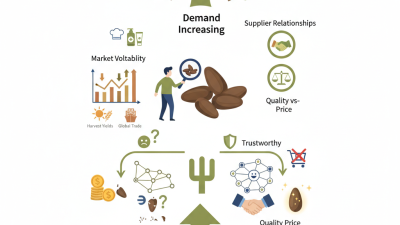
When it comes to sourcing pine nuts globally, understanding pricing trends is crucial. Pine nuts are in high demand, making their prices volatile. Economic factors, such as weather conditions and international trade policies, can significantly affect pricing. For instance, droughts in key producing regions can lead to lower yields, driving prices higher.
Quality is paramount when procuring pine nuts. Buyers should look for suppliers who provide transparency in their pricing. This means understanding not only the cost per kilogram but also factors like harvesting methods and processing standards. Establishing relationships with trustworthy suppliers can help in mitigating fluctuations.
However, it’s essential to remain adaptable. The market can change rapidly based on global demand and supply chain issues. Keeping an eye on economic reports and trends will aid in making informed decisions. Balancing cost and quality is not always straightforward; some suppliers may offer lower prices, but the quality may suffer. Buyers need to assess the total value rather than just the sticker price.
Establishing Reliable Supply Chains and Partnerships for Quality Assurance
When sourcing quality pine nuts, establishing reliable supply chains is crucial. Many buyers overlook the importance of partnerships and connections. Building trust with suppliers may take time, yet it's necessary for quality assurance. You should visit suppliers to understand their practices. This hands-on approach can reveal a lot about their quality control methods.
Developing partnerships also means sharing knowledge and expertise. Collaborating can lead to better sourcing strategies. Discuss pricing transparency and delivery timelines upfront. Being open fosters a sense of reliability. Regular communication can address potential issues before they escalate. Occasionally, you might need to reflect on your practices and adjust as necessary. For instance, are you utilizing the right metrics to ensure quality?
Documentation of every step is essential. Keep records of certifications and quality checks. This can help in future negotiations. While some suppliers may promise quality, not all live up to it. Consistently reassess your partnerships, and don’t hesitate to pivot if necessary. Trust your instincts while also being prepared for unexpected challenges.