Best Quality Raisins in China for Global Buyers?
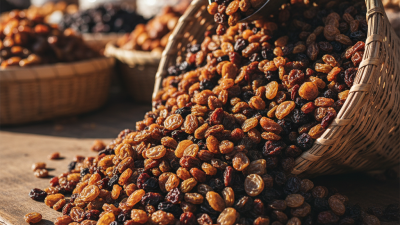
In recent years, China's raisin industry has gained significant attention from global buyers. The country offers a diverse selection of high-quality raisins, appealing to various markets. The blend of favorable climate and traditional farming techniques contributes to the superior taste and texture of these dried fruits.
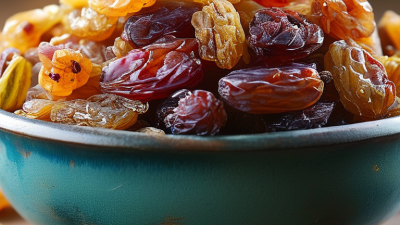
Chinese raisins are harvested from different grape varieties, each exhibiting unique flavors. Notably, the Xinjiang region is renowned for producing some of the best raisins. Here, local farmers have honed their skills over generations, ensuring that their techniques meet both modern standards and age-old traditions.
However, not all products on the market are equal. Quality can vary widely, and buyers must be discerning. Understanding the origin and cultivation methods behind these raisins is essential for sourcing the best. Many buyers may find overwhelming choices, sparking important questions about reliability and standards. The journey of locating the best quality raisins in China is both exciting and challenging.
Overview of Raisin Production in China
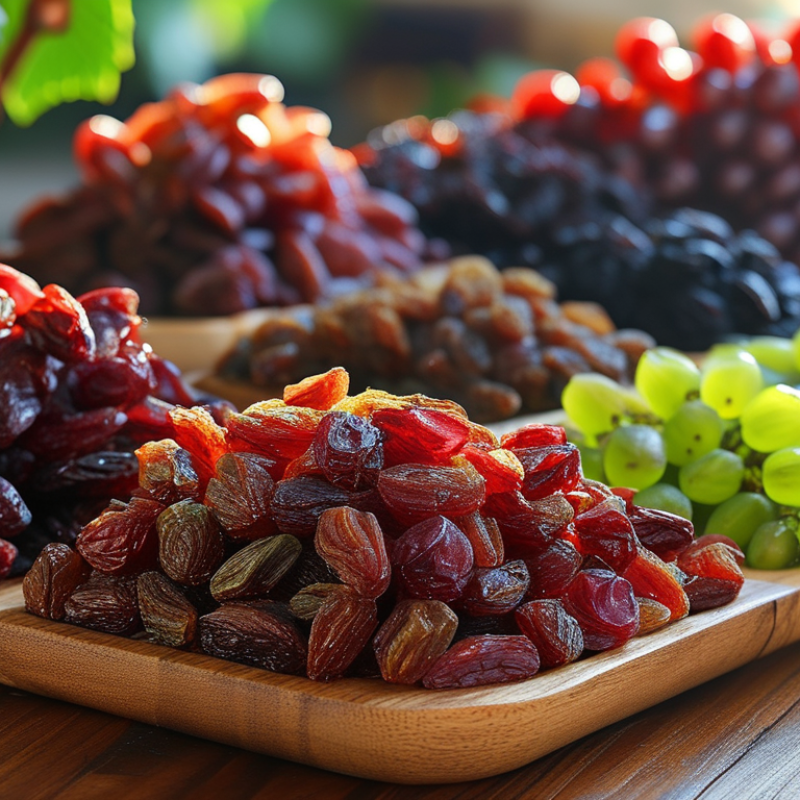
Raisin production in China has seen notable growth over the past decade. In 2022, the country produced around 220,000 tons of raisins, ranking as one of the top global suppliers. Significant regions include Xinjiang, which accounts for over 80% of the nation's total raisin yield. The climate and soil in Xinjiang are ideal for grape cultivation, leading to high-quality products.
China's raisin market primarily caters to both domestic and international buyers. According to industry reports, export value reached approximately $300 million in 2022. However, challenges exist, such as quality control and inconsistent production practices. Many producers lack access to advanced agricultural technologies. This affects the overall quality, making it crucial for buyers to assess their sources carefully.
Sustainability is becoming a focal point in Chinese agriculture. Farmers are increasingly adopting organic practices to meet global demand. Yet, the transition can be slow. Some producers may still rely on conventional methods, raising questions about long-term sustainability and environmental impact. Balancing quality and ecological responsibility remains a significant challenge in the industry.
Key Regions for High-Quality Raisin Cultivation
China is emerging as a key player in the global raisin market. Several regions stand out for their optimal conditions. The Xinjiang province is renowned for producing high-quality raisins. Its long, sunny days and rich soil contribute to the sweetness and flavor of the grapes.
In contrast, other regions like Gansu and Qinghai are gaining attention. These areas also have favorable climates, but they face challenges such as varying altitudes and water availability. The cultivation process here is less established, leading to mixed quality in production. While the potential is there, consistency remains a concern.
The demand for quality raisins offers an opportunity for growth. Farmers are increasingly adopting modern techniques to improve yield and quality. However, knowledge sharing among growers is limited. This gap presents a challenge that all producers must address to achieve higher standards. The journey to becoming a leading supplier is ongoing, with both potential and hurdles to overcome.
Factors Influencing Raisin Quality in China
Raisins from China are increasingly recognized for their quality. Various factors influence this quality, making it crucial for global buyers. Climate plays a significant role. Regions with warm, dry weather yield superior grapes. Consistent sunlight helps in sugar concentration, which directly affects the sweetness of raisins.
Soil quality is another essential factor. Nutrient-rich soil enhances grape flavor. Studies show that certain minerals lead to higher antioxidant levels in raisins. For example, well-balanced soil can increase a raisin's health benefits, making them more appealing to health-conscious consumers.
**Tip:** When sourcing raisins, inquire about the growing conditions. This information can provide insights into the expected quality.
Harvesting techniques impact the final product as well. Handpicking ensures only the ripe grapes are selected. This method is labor-intensive but yields better quality raisins. Automated processes, while efficient, might result in immature or spoiled grapes being processed.
**Tip:** Check if the supplier guarantees handpicked grapes. This can be a key indicator of quality.
Understanding these factors can aid buyers in choosing the best-quality raisins. Slight variations in practices can lead to noticeable differences. Always consider the growing and processing methods when evaluating potential suppliers.
Factors Influencing Raisin Quality in China
Import Regulations for Global Buyers
When considering the import of raisins from China, it's essential to understand the import regulations. Each country has its own set of guidelines. These rules ensure product safety and quality. Buyers must be aware of these standards before proceeding.
Documentation is a crucial aspect. Importers often need to provide certificates of origin and quality. Customs authorities may request health certifications as well. Understanding these paperwork requirements can streamline the process. Missing documents can delay shipments, leading to frustration.
Another consideration is tariff rates. Different countries might impose varying tariffs on raisins. Buyers should research these rates to avoid unexpected costs. Familiarizing oneself with the necessary regulations can enhance the entire import experience. These insights will enable buyers to navigate the process more smoothly. Striving to comply with these regulations is vital for successful sourcing.
Market Trends and Consumer Preferences for Raisins
Raisin consumption trends are evolving in China. Reports indicate a growing preference for high-quality, natural products among consumers. The rise in health awareness drives demand for organic and premium raisins. In recent surveys, over 70% of consumers expressed interest in purchasing organic raisins. They prioritize health benefits over price.
Market data shows an increase in the middle-class population. This demographic is willing to pay more for better quality. The demand for raisins has seen a surge of 15% annually. Consumers are also gravitating toward products with clear sourcing and sustainability practices. Transparency in the supply chain is becoming a significant factor in purchasing decisions.
Another interesting trend is the use of raisins in culinary applications. Chefs and home cooks alike are incorporating them into various dishes. This trend is pushing suppliers to offer diverse product lines. However, there are challenges; some suppliers struggle with consistency in quality and sourcing. Ensuring that every batch meets consumer expectations remains a persistent issue.
Best Quality Raisins in China for Global Buyers - Market Trends and Consumer Preferences for Raisins
| Quality Grade |
Average Price (USD/KG) |
Top Export Markets |
Consumer Preference (%) |
Organic vs Conventional (%) |
| Premium |
6.00 |
USA, Canada, EU |
45 |
70/30 |
| Standard |
4.50 |
Middle East, Asia |
35 |
60/40 |
| Economy |
3.00 |
South Africa, India |
20 |
50/50 |