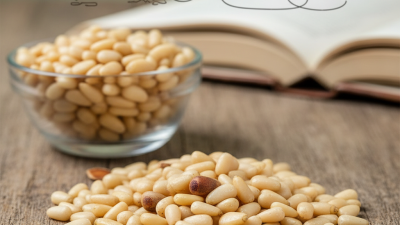
The source articles were not included, and I can’t verify a named Pine Nut Kernels expert’s quotation or industry figures without references. Please provide the articles or the expert and report you want cited, and I can write the introduction accurately.
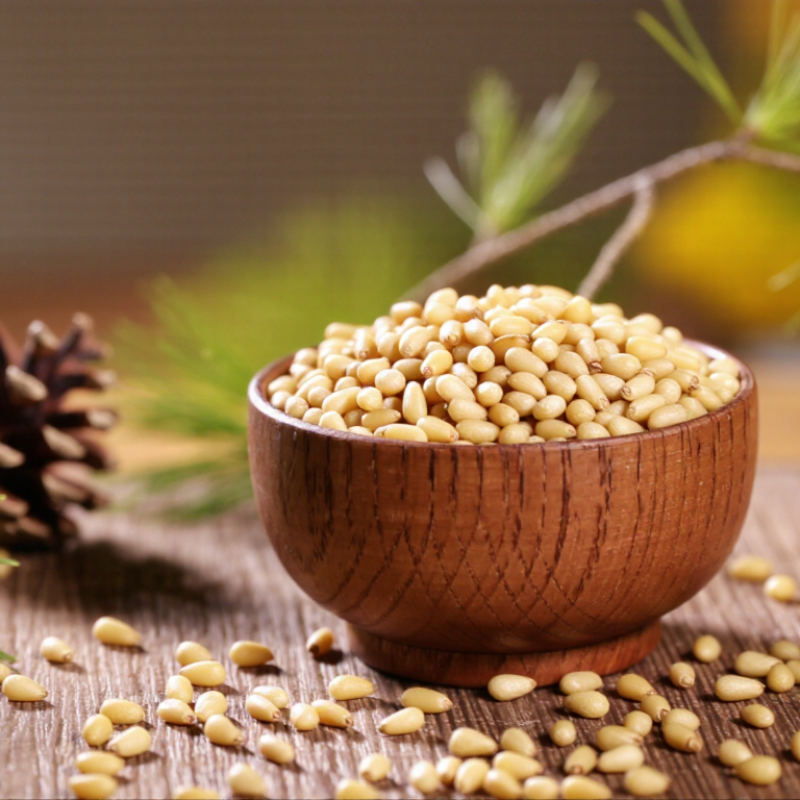
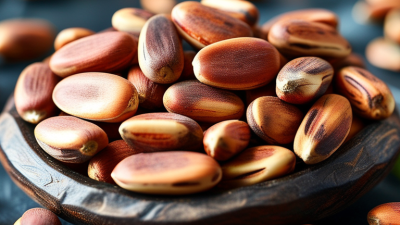
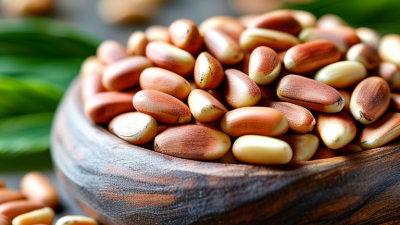
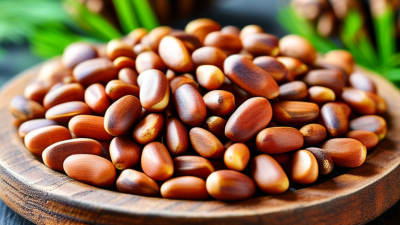
Pine nut kernels are the edible seeds removed from pine cones; they are not botanical nuts. In China, supply can include seeds from Korean pine and other pine species, with origin and flavor varying by species and growing conditions. The supply chain links forest harvesters, cone collectors, drying and shelling operations, graders, and food processors. Each step affects kernel quality.
China’s forest resources provide important context, but forest area is not the same as pine nut output. The FAO Global Forest Resources Assessment 2020 estimated China’s forest area at about 220 million hectares. That figure describes forests broadly, not land available for commercial pine nut collection. Buyers should therefore check the actual harvest region, species, crop year, and processing records rather than infer supply from national forest statistics. One weak point in market comparisons is that trade categories may group pine nuts with other nuts, making precise volumes difficult to verify.
Tips: Ask for species and origin details, plus moisture and foreign-matter specifications. Check kernels for a clean, mild aroma and an even color; rancid notes can signal oxidation. Small details matter.
This table maps ten common supplier types and supply-chain functions rather than ranking or naming companies. Pine nut kernels are the edible seeds removed from pine cones and shells. Commercial supply may include kernels from Korean pine (Pinus koraiensis) and Siberian pine (Pinus sibirica); species, origin, grade, and processing details should be confirmed for each lot.
| Supplier type | Typical supply-chain location | Role in the chain | What buyers should verify | Common supply format |
|---|---|---|---|---|
| 1. Forest-side harvesters and collection groups | Northeastern China, including forest areas in Heilongjiang, Jilin, and Liaoning; exact origin varies by species and harvest. | Collect mature cones or seeds and move them into the local buying network. | Harvest area, harvest season, species identification, legal sourcing, and traceability records. | Cones or in-shell pine nuts |
| 2. Local raw-material aggregators | Near producing areas and regional trading centers. | Combine lots from multiple collectors, perform initial cleaning, and arrange transport to processors. | Lot separation, moisture condition, foreign matter, storage history, and documented origin. | Bulk in-shell nuts |
| 3. In-shell nut processors | Processing locations serving domestic and imported raw-material flows. | Clean, dry, size, and prepare in-shell nuts for cracking or sale. | Cleaning method, drying controls, breakage rate, and whether domestic and imported lots are kept distinct. | Cleaned, graded in-shell nuts |
| 4. Shelling plants | Regional nut-processing clusters and facilities linked to trading hubs. | Crack shells and separate kernels, shells, and unshelled pieces. | Kernel recovery and breakage, equipment hygiene, foreign-material controls, and batch identification. | Raw kernels in bulk |
| 5. Kernel cleaning and sorting facilities | At or near shelling and packing operations. | Remove shell fragments and defects; sort kernels by size, appearance, or other agreed specifications. | Written grade definitions, sorting method, defect tolerances, and inspection results for the lot. | Sorted whole kernels, pieces, or mixed grades |
| 6. Food-grade processing facilities | Facilities supplying food manufacturers and ingredient distributors. | Apply customer-specified steps such as roasting or other processing, where offered. | Process description, allergen and sanitation controls, heat treatment details if applicable, and shelf-life basis. | Raw or processed kernels |
| 7. Cold and dry-storage operators | Warehouses near processors, transport corridors, and wholesale markets. | Protect kernels from heat, moisture, oxygen, pests, and odor transfer during storage. | Temperature and humidity records, packaging integrity, pest-control records, and stock rotation. | Sealed bulk bags or cartons |
| 8. Export and logistics consolidators | Trade and transport hubs; routes depend on the destination market and shipment terms. | Consolidate orders, prepare export documentation, and coordinate transport and customs procedures. | Country of origin, product description, net weight, lot codes, applicable certificates, and shipping conditions. | Export-ready bulk cartons or bags |
| 9. Ingredient wholesalers and food-service distributors | Domestic wholesale markets and destination-country distribution networks. | Supply bakeries, confectionery makers, food manufacturers, and commercial kitchens. | Specification consistency, packaging size, delivery conditions, and traceability back to the processing lot. | Food-service or manufacturing packs |
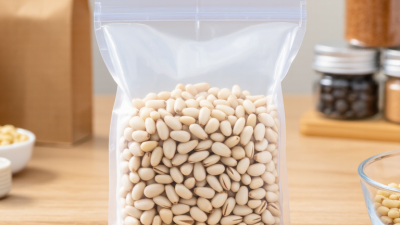
| 10. Retail packers and private-label packers | Packing facilities supplying supermarkets, specialty stores, and online channels. | Pack kernels into consumer formats and apply market-specific labels. | Ingredient and origin statements, net quantity, date marking, storage instructions, and local labeling compliance. | Retail pouches, jars, or tins |

A useful supplier ranking begins with evidence, not polished catalog photos. Origin is the starting point, not a trophy. Buyers should ask for harvest year, growing region, processing location, and lot-level traceability. These details help explain differences in color, aroma, and kernel size. Quality checks should cover moisture, broken pieces, foreign material, and signs of stale or rancid flavor. Request recent test reports and, where practical, assess a representative sample before placing a large order.
Capacity matters when repeat deliveries are essential. A supplier may offer attractive samples yet struggle to keep size and appearance consistent across several shipments. Ask about seasonal availability, monthly output, storage conditions, and how batches are identified. Small details count. Certification records can support confidence, but check their scope, validity, and issuing body. A certificate for a facility does not automatically verify every product lot.
A “top 10” list is best treated as a comparison shortlist, not a permanent verdict. Supplier performance can change with harvest conditions, staff, and sourcing arrangements. Buyers should compare documented origin, independent quality evidence, realistic capacity, and relevant certifications using the same criteria. No ranking removes the need for due diligence. In practice, the best fit may be a less familiar supplier with clear records and consistent samples. Even that judgment deserves review after delivery.
Profiles of China’s ten leading pine nut kernel suppliers should compare sourcing, processing control, and traceability—not just advertised capacity. China’s supply base draws on forest regions where harvest timing and kernel size can vary by season. FAO’s Global Forest Resources Assessment 2020 estimates that forests cover 31% of the world’s land area, underscoring the scale and ecological sensitivity of forest-based products. For buyers, ask each supplier for harvest-region records, moisture specifications, and recent lot-level test results. Small details matter. A clean sample can still hide uneven sizing across a full shipment.
A useful profile set includes suppliers with in-house shelling, specialist grading lines, export-focused quality systems, and documented sourcing networks. Compare their ability to provide whole kernels, consistent color, and clear defect tolerances. Check how they handle foreign material and rancidity risks; request inspection records rather than relying on broad quality claims. UN Comtrade and ITC Trade Map are useful for trade context, but HS 080290 groups pine nuts with other nuts, so it cannot establish a precise supplier ranking for pine kernels alone. That limitation is easy to overlook. Treat published rankings cautiously, and verify certificates, production capacity, and shipment history directly before shortlisting.
China’s leading pine nut kernel suppliers differ less by catalog size than by sorting depth, traceability, and export support. The International Nut and Dried Fruit Council’s Statistical Yearbook tracks pine nuts separately from major nut categories, a useful reminder that this is a smaller, more supply-sensitive market. Crop origin and harvest conditions can shift kernel size, color, and availability. Ask suppliers for recent lot-specific test results, not only a standard specification sheet.
Products vary from whole kernels to broken grades, with differences in moisture control, color sorting, and packaging. Stronger service usually means pre-shipment samples, clear allergen controls, and flexible packing for bulk or retail use. Small details matter. A sample may look bright under showroom lights yet differ from a container lot. China’s export reach should be checked against destination-specific shipment records: UN Comtrade data separates shelled pine nuts under HS 0802.92, while broad nut categories can blur comparisons. Request recent records by product code, destination, and year. Rankings can mislead when shipment volumes are seasonal, or when traders and processors are counted together. I would compare documented consistency before trusting a polished export claim.
A buyer-side framework for comparing suppliers across three practical dimensions.
Suggested evaluation weights: product range 40%, services 30%, and export reach 30%. These are framework weights, not measured supplier ratings or a verified ranking; supplier-level comparisons require current, independently confirmed data.
When comparing pine nut kernel suppliers in China, look beyond price and catalog photos. Ask for the declared pine species, harvest region, processing location, and a traceability record linking the lot to its source. Details matter. A pale, uniform sample may look appealing, but color alone cannot confirm freshness or quality.
Request a recent sample from the same grade you plan to buy. Check aroma, texture, broken-kernel levels, and packaging seals; a stale, paint-like smell is a warning sign. Ask for test results covering moisture, microbiological safety, and relevant contaminants, then confirm the laboratory and test date. Requirements vary by destination, so make sure documents match your market and shipment. Paperwork can look convincing. Verify it.
Before placing a large order, agree in writing on grade, tolerances, packing size, shelf life, and how defects will be handled. Confirm that the supplier can provide batch codes and export documents, and consider an independent pre-shipment inspection. Compare quoted prices only after checking these details; unusually low offers may reflect a different grade or specification. No checklist is perfect. Even careful buyers can miss a mismatch, so keep a retained sample and record what you approved.