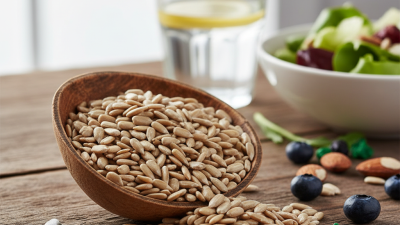
2026 Top Pine Nut Kernels Quality and Global Sourcing Tips?
As the demand for high-quality Pine Nut Kernels continues to rise, understanding global sourcing strategies becomes essential for suppliers and consumers alike. Reports indicate that the global pine nut market is projected to grow at a CAGR of 5.2% from 2021 to 2026. This growth is driven by increasing awareness of the health benefits associated with pine nuts.
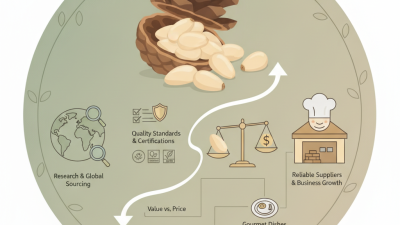
Quality is paramount in this market. Factors such as origin, processing methods, and storage conditions greatly affect the final product. A recent study highlighted that approximately 70% of buyers consider quality over price when sourcing pine nuts. This suggests that investing in premium Pine Nut Kernels can lead to sustainable business practices and brand loyalty.
However, challenges loom in sourcing. Quality control remains a pressing issue, with inconsistent products often entering the market. Suppliers must address these shortcomings. Emphasizing reliable sourcing partnerships and ethical harvesting practices is crucial. Balancing quality assurance with cost management will be a key factor in navigating the complexities of the pine nut supply chain.
2026 Pine Nut Kernel Quality Standards: What to Look For
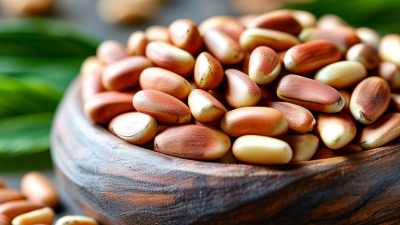
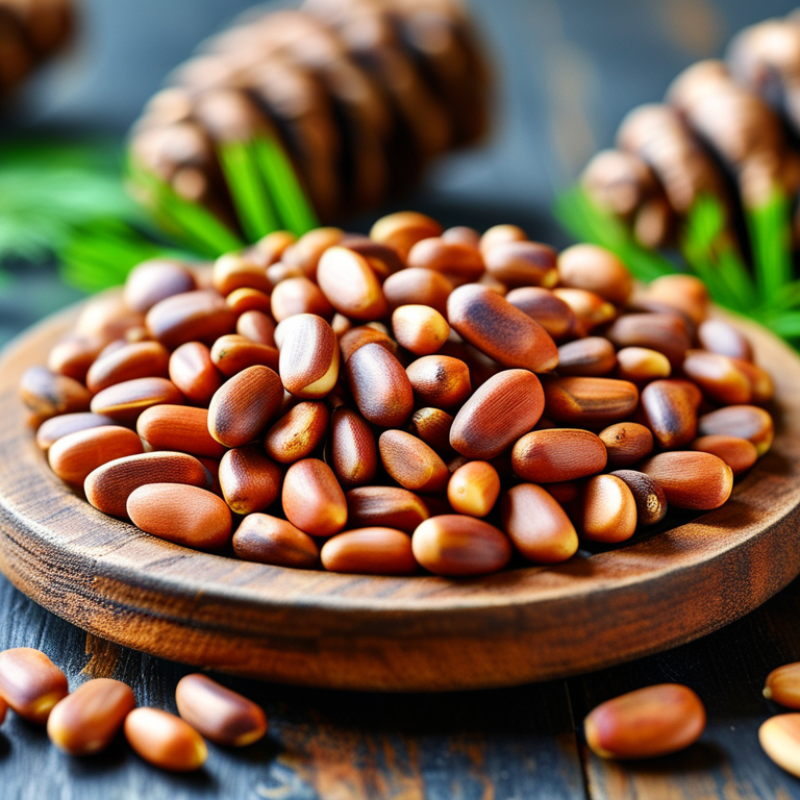
Pine nuts are beloved for their rich flavor and health benefits. Understanding their quality is essential, especially for sourcing them globally. The USDA has outlined specific quality standards for pine nut kernels. These guidelines emphasize factors such as moisture content, color, and absence of impurities. Kernels should be plump and uniform in size, indicating freshness.
One key tip for sourcing quality pine nuts is to check moisture levels. High moisture can lead to spoilage. Ideal moisture content should not exceed 5%. Additionally, inspect the color; vibrant kernels are often fresher. Incorporating transparency in the supply chain further enhances the reliability of your sources.
The international market has seen fluctuations in pine nut prices. Understanding these can help in making informed purchasing decisions. Reports from the Food and Agriculture Organization indicate that quality affects market rates significantly. Always research suppliers and seek certificates of analysis to ensure quality standards are met.
Key Factors Influencing Pine Nut Kernels Quality
The quality of pine nut kernels is influenced by several key factors. Environmental conditions play a crucial role in determining flavor and nutritional content. Research indicates that pine nuts grown in mountainous regions often exhibit superior taste. Soil composition, altitude, and climate variability impact the kernel’s development. NutriTech's 2022 report highlights that nutrients such as protein and essential fatty acids vary with these factors.
Harvesting techniques also significantly affect quality. Proper timing during the harvest season is vital. Kernels should be collected at peak ripeness for optimal flavor and texture. The extraction method can influence moisture levels, crucial for preserving shelf life. A study by AgroScience Journal revealed that improperly dried pine nuts can lose up to 30% of their nutritional value.
Storage conditions can't be overlooked. Pine nuts are sensitive to heat and light, which can lead to rancidity. A 2023 industry report emphasized that storing pine nuts in cool, dark environments extends freshness. Producers who implement rigorous quality control measures during the entire supply chain can ensure high-grade products. Despite advances, challenges remain in maintaining consistent quality due to factors like climate change and market demand fluctuations.
Quality Factors Influencing Pine Nut Kernels
Global Sourcing Strategies for Pine Nuts in 2026
In 2026, sourcing high-quality pine nuts requires strategic planning and market insight. The global pine nut market is projected to reach USD 1.5 billion by 2026, driven by increasing demand for healthy snacks and culinary applications. Understanding regional availability is crucial. Major producers such as China and Russia provide a significant portion of the world’s supply, yet challenges such as climate change impact yield consistency.
To effectively source pine nuts, buyers should consider diversifying their supplier base. Relying solely on one region can lead to supply chain disruptions. Research indicates that sourcing from multiple countries can reduce risk by 25%. It's also vital to establish strong relationships with growers. Engaging local suppliers fosters transparency and quality assurance. However, beware of potential discrepancies in quality certifications, as they vary widely.
Moreover, transparency in pricing and quality is essential in negotiations. The pine nut market is susceptible to fluctuations. Keeping abreast of industry trends and data reports, like those from the Food and Agriculture Organization, can enhance decision-making. As sourcing shifts, adapting to these dynamics will be critical for maintaining quality and meeting consumer expectations.
Best Practices for Selecting and Evaluating Pine Nut Suppliers
When selecting pine nut suppliers, thorough evaluation is essential. Look for suppliers with proven experience in the industry. Longevity often indicates a reliable source. Ask potential suppliers about their sourcing methods. Transparency in their processes fosters trust.
Consider the quality of the pine nuts they provide. Request samples to assess size, taste, and freshness. High-quality nuts should have a rich flavor and firm texture. A well-established supplier will readily offer samples for evaluation. Finally, check for certifications. Authenticating their quality through industry standards can prevent issues down the line.
Engaging with suppliers can reveal their expertise. Discussions about production sources and quality control measures are invaluable. Pay attention to their responses. A knowledgeable supplier should easily address your concerns. Remember, not all suppliers will meet your standards. It’s crucial to maintain high expectations and remain patient in your search.
2026 Top Pine Nut Kernels Quality and Global Sourcing Tips
| Supplier Location |
Kernel Quality Rating |
Sourcing Tips |
Price Range (per kg) |
| China |
A+ |
Verify organic certification |
$20 - $30 |
| United States |
A |
Check for freshness and moisture content |
$25 - $35 |
| Russia |
B+ |
Inquire about harvesting methods |
$15 - $25 |
| Korea |
A |
Ensure traceability of supply chain |
$22 - $32 |
| Spain |
B |
Look for third-party quality tests |
$18 - $28 |
Market Trends and Innovations in Pine Nut Sourcing
Pine nuts are becoming increasingly popular for their nutritional benefits and unique flavor. According to a recent industry report, the global pine nut market is expected to grow at a compound annual growth rate (CAGR) of 5.8% from 2021 to 2026. This growth is driven by increased demand for healthy snacks and plant-based diets.
The sourcing of high-quality pine nuts is more critical than ever. Countries like China, Russia, and North Korea are leading suppliers. However, supply chain challenges, such as climate change and geopolitical tensions, can impact availability. There is a growing need for transparency and sustainability in sourcing practices. Consumers are becoming aware of the environmental impact of their food choices.
Innovations in sourcing practices are emerging. Blockchain technology is being adopted to track the origin of pine nuts, enhancing trust among consumers. Furthermore, local sourcing efforts are gaining traction, as they reduce transportation emissions and support local economies. As the industry evolves, ongoing research into cultivation methods and pest resistance is essential. Companies face ongoing challenges in balancing quality with ethical sourcing, particularly as consumer awareness rises.