Why Should You Choose Pumpkin Seeds for Your Health?
Pumpkin seeds, often overlooked, are a powerhouse of nutrition. These tiny seeds pack a punch with essential vitamins and minerals. Including pumpkin seeds in your diet may offer several health benefits. For instance, they are rich in magnesium, zinc, and antioxidants, supporting heart health and immune function.
Recent studies suggest that pumpkin seeds may help improve sleep quality and reduce anxiety. They contain tryptophan, which can enhance serotonin production. Furthermore, their high fiber content contributes to digestive health. It’s important to note that while pumpkin seeds are beneficial, moderation is key. Overconsumption might lead to unwanted weight gain.
Many people remain unaware of the potential downsides of eating pumpkin seeds. Some individuals may experience digestive discomfort if consumed in large amounts. It’s always wise to pay attention to how your body reacts. In the end, pumpkin seeds can be a valuable addition to a balanced diet if approached thoughtfully.
Nutritional Profile of Pumpkin Seeds and Their Health Benefits
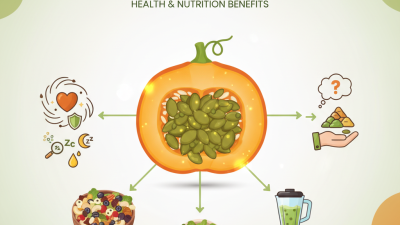
Pumpkin seeds, also known as pepitas, are small but mighty. They are packed with essential nutrients that can significantly benefit health. A one-ounce serving typically contains around 7 grams of protein and 5 grams of fiber. They are an excellent source of magnesium, iron, and zinc, vital for various bodily functions. These nutrients can enhance muscle health, support the immune system, and improve overall well-being.
In addition to their nutritional profile, pumpkin seeds offer various health benefits. They are rich in antioxidants, which help combat oxidative stress. Some studies suggest that they may promote heart health by reducing bad cholesterol levels. Others highlight their potential role in improving sleep quality due to their magnesium content. However, personal responses to pumpkin seeds can vary. Some might experience digestive discomfort if consumed excessively. Moderation is key.
Incorporating pumpkin seeds into your diet can be simple. Toss them in salads, smoothies, or yogurts for an added crunch. However, not everyone may enjoy their taste. It’s crucial to listen to your body and adjust your intake according to your preferences. Ultimately, pumpkin seeds can be a healthful addition if consumed mindfully.
Rich Source of Antioxidants and Essential Nutrients in Pumpkin Seeds
Pumpkin seeds, often overlooked, are a powerhouse of nutrition. They boast high levels of antioxidants. These compounds help combat oxidative stress, which can lead to chronic diseases. When included in a balanced diet, pumpkin seeds may support overall health. The rich nutrient profile contributes significantly to daily nutritional needs.
Packed with essential vitamins and minerals, pumpkin seeds provide magnesium, zinc, and healthy fats. Magnesium is vital for muscle function and energy production. Zinc plays critical roles in immune health and healing. These tiny seeds are rich in healthy fats, including omega-3 and omega-6 fatty acids. Yet, many people underestimate their potential benefits.
Incorporating pumpkin seeds into meals can be simple. Add them to salads, yogurt, or smoothies. However, it’s crucial to consume them in moderation. Overindulgence can lead to excess caloric intake. Also, ensure they are prepared healthily, avoiding excessive salt or processing. Maintaining a balanced approach is key to enjoying their health benefits.
Health Benefits of Pumpkin Seeds
Pumpkin seeds are a nutrient-dense food, offering a rich source of essential nutrients such as magnesium, zinc, iron, protein, and fiber. This chart illustrates the nutritional content of pumpkin seeds per 100 grams, showcasing their significant contributions to a healthy diet.
Pumpkin Seeds and Heart Health: What You Need to Know
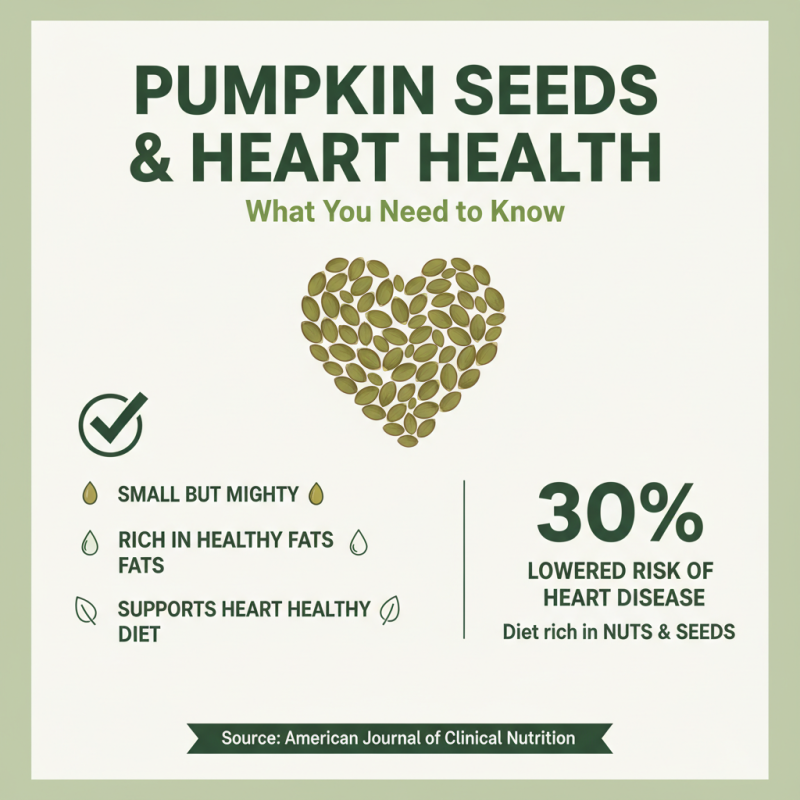
Pumpkin seeds are small but mighty. They are known for their benefits to heart health. A study published in the "American Journal of Clinical Nutrition" revealed that a diet rich in nuts and seeds can lower heart disease risk by 30%. This is partly due to the healthy fats found in pumpkin seeds.
These seeds are high in magnesium, which plays a key role in regulating blood pressure. Research indicates that adequate magnesium intake may reduce high blood pressure by up to 5 mmHg. Additionally, pumpkin seeds contain antioxidant properties that can combat oxidative stress. This helps in preventing damage to blood vessels, contributing to overall heart health.
Many people overlook pumpkin seeds due to their size. They often choose larger snacks that may be less nutritious. However, being small does not diminish their health benefits. As consumers, it’s crucial to evaluate food choices carefully. Incorporating pumpkin seeds into your diet could be a simple yet effective way to support heart health.
The Role of Pumpkin Seeds in Supporting Immune Function
Pumpkin seeds are a powerhouse of nutrients. They are rich in zinc, magnesium, and antioxidants. These elements play a crucial role in boosting immune function. The high zinc content in pumpkin seeds can enhance immune cell activity. Regular consumption may help you fight off common illnesses.
Magnesium is another essential mineral found in pumpkin seeds. It supports various biochemical reactions in your body, including processes that regulate inflammation. Inflammation can weaken your immune system. Incorporating pumpkin seeds into your diet can help maintain a balanced inflammatory response.
Antioxidants found in pumpkin seeds combat oxidative stress. They protect your cells from damage caused by free radicals. This protection is fundamental for a healthy immune response. However, moderation is key. Eating too many can contribute to weight gain. Reflecting on your portion sizes is important for overall health.
Incorporating Pumpkin Seeds into Your Diet: Tips and Ideas
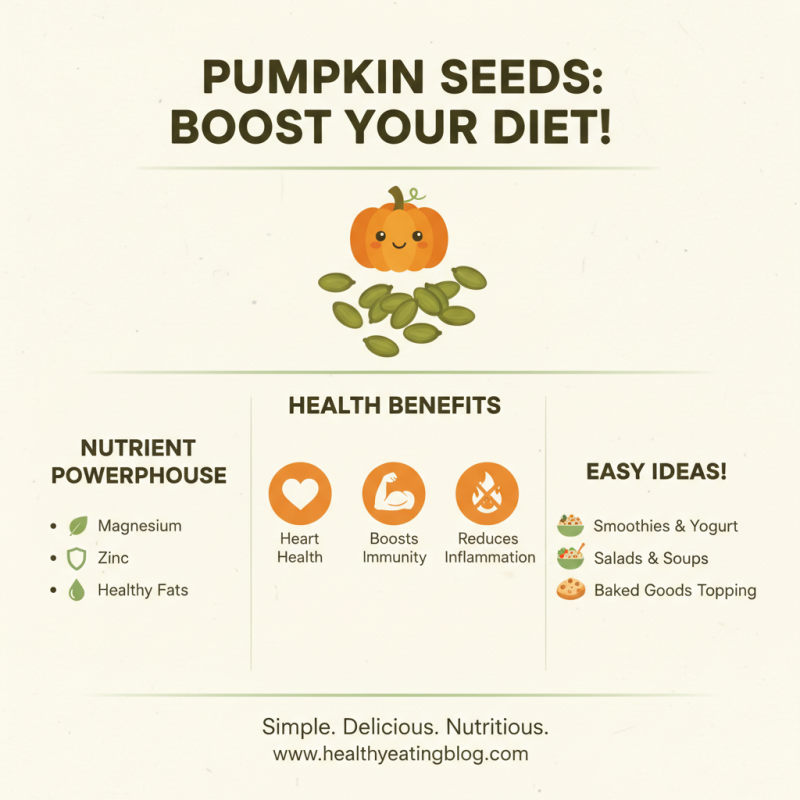
Pumpkin seeds are a nutritious addition to any diet. They are rich in magnesium, zinc, and healthy fats. These nutrients support heart health, boost immunity, and reduce inflammation. Adding pumpkin seeds to your meals can be simple and delicious.
One easy way is to sprinkle them on salads. They add a nice crunch and flavor. You can also mix them into yogurt or oatmeal for breakfast. Roasting pumpkin seeds with spices can create a satisfying snack. Just be careful with the oil and salt for a healthier option.
Experimenting with recipes can be both fun and rewarding. Try blending them into smoothies for an extra nutrient boost. Remember that moderation is key, as they are calorie-dense. It's okay if your first attempts aren’t perfect. Learn from each experience. Embracing pumpkin seeds in your daily meals can enhance both health and taste.