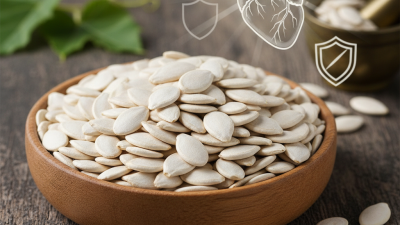
Sourcing Raw Pumpkin Seeds globally in 2026 requires more than comparing supplier quotations. Buyers must evaluate origin, variety, harvest timing, processing capacity, and export reliability. A low price can hide high moisture, weak sorting, or delayed documentation.
FAOSTAT provides valuable crop and trade context, but it generally groups pumpkins, squash, and gourds rather than reporting every seed category separately. This limitation matters. ITC Trade Map can support country-level trade analysis, although relevant customs codes may combine different seed products. USDA Foreign Agricultural Service reports also help identify weather risks, crop conditions, and market disruptions in major producing regions.
The practical work begins with a clear specification. Define kernel size, shell condition, moisture limits, foreign-material tolerance, microbiological requirements, pesticide controls, and packaging format. Request recent laboratory results, certificates of analysis, traceability records, and harvest details. A serious supplier should explain what happened between the field, drying floor, warehouse, and loading container.
Look closely at physical evidence. Ask for photographs of cleaned seeds, pallet labels, inner packaging, and warehouse conditions. Independent inspection can verify weight, moisture, defects, and container cleanliness before shipment. Codex standards, destination-country food rules, and buyer-specific requirements should guide approval.
Supply risk is still easy to underestimate. Weather changes can affect yields, while port congestion can extend delivery schedules. Build qualified backup origins. Keep assumptions visible, and challenge your own forecast. Not every polished supplier profile proves operational strength.
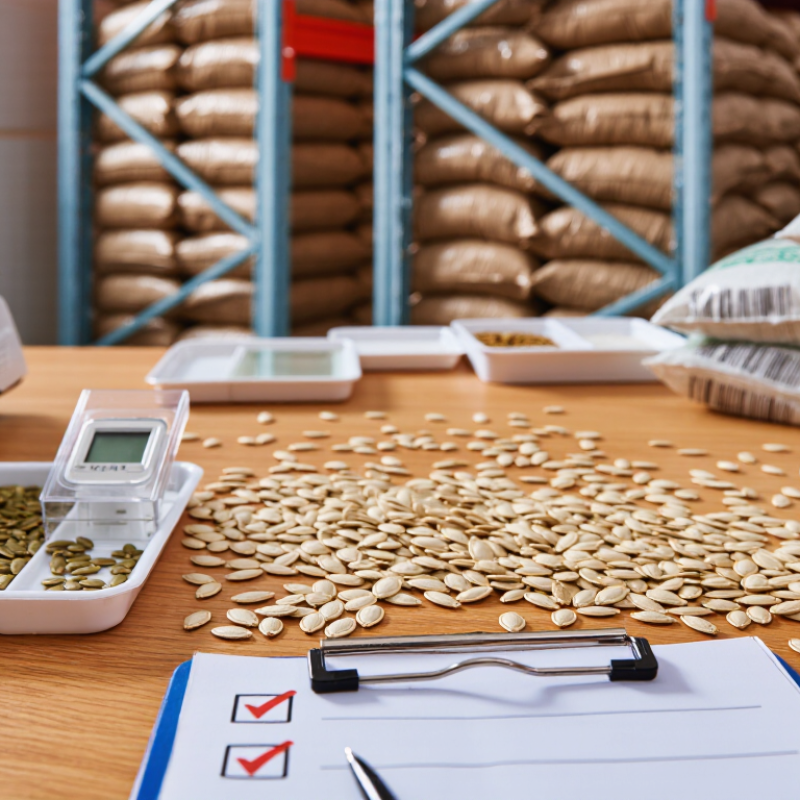
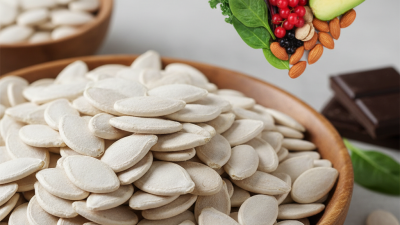
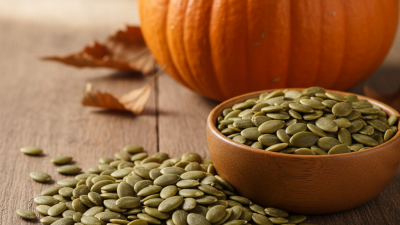
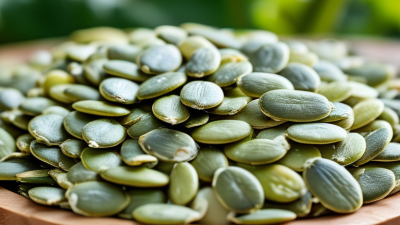
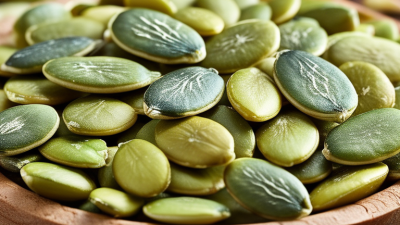
In 2026, buyers should define the seed before comparing origins or prices. Raw pumpkin seeds usually include hull-on seeds and hulled green kernels, often called pepitas. Hull-on seeds suit roasting and pressing. Hulled kernels fit snacks, bakery mixes, cereals, and toppings. Some contracts specify flat white seeds, dark green kernels, or oilseed varieties. This distinction matters because shell thickness and kernel recovery affect usable yield.
FAOSTAT’s 2023 crop data recorded more than 20 million tonnes of pumpkins and squashes globally. However, it grouped pumpkins and squashes together. It did not isolate seed production. That limitation matters. Crop tonnage is not a dependable seed-supply forecast. The INC Nuts and Dried Fruits Statistical Yearbook 2024/25 reports pumpkin seeds separately within kernel markets, but regional coverage may vary. Buyers should request crop-year evidence, not just an attractive supplier brochure.
A practical grade specification should state moisture, purity, foreign material, broken kernels, size count, color, and microbiological limits. Test aflatoxins and Salmonella through an independent laboratory. Raw seeds for direct eating need tighter controls than seeds for pressing. Bakery buyers may accept smaller kernels, while snack buyers usually demand uniform color and low breakage. I would also verify harvest timing and storage humidity. This step is often underestimated. A perfect specification cannot rescue poorly stored cargo.
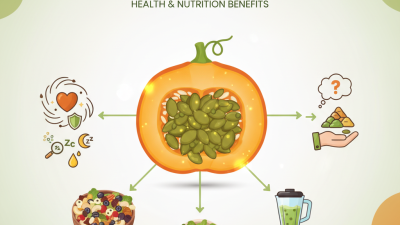
Raw pumpkin seed supply is concentrated across several climate zones. China remains important, especially Inner Mongolia and Xinjiang. India supplies commercial volumes from Rajasthan, Madhya Pradesh, and nearby farming areas. Eastern Europe also contributes seasonal crops, including Ukraine, Serbia, and neighboring markets. North American growers provide additional supply, although exportable volumes can vary.
Planting and harvesting calendars Planting and harvesting calendars shape every buying decision. In northern China, planting usually begins in April or May. Harvesting often runs from September through November. Indian crops may enter the market between October and January, depending on rainfall and irrigation. Eastern European fields commonly reach harvest from September to October. North American supplies usually appear from September onward.
Timing is uneven. Weather changes that.
A practical sourcing map should track harvest dates, drying capacity, cleaning facilities, and port access. Freshly harvested seeds may show higher moisture and require careful storage.
Ask suppliers for crop-year details, origin records, moisture results, foreign-material limits, and recent laboratory reports.
Do not rely only on shipment history. A region can export heavily one year and struggle the next. Drought, early frost, or delayed harvesting can reduce usable kernels quickly. Public production data also arrives late, which creates uncertainty.
I would keep alternative origins active, even when one region offers the lowest price. Mistakes happen when buyers compare prices without comparing crop age, processing loss, and transit time.
Sourcing raw pumpkin seeds globally requires written requirements before supplier discussions begin. Define kernel size, color, broken pieces, foreign material, moisture, and sensory condition. Raw seeds can carry microbial risks, so request validated testing for pathogens, pesticide residues, mycotoxins, and heavy metals. Use laboratories with recognized competence, and compare results against destination-market regulations. A sample may look clean while failing laboratory checks. That lesson is easy to overlook.
Tips: Ask for the harvest date, growing region, processing site, lot number, and storage temperature. Require sealed samples from the same lot offered for shipment. Review sanitation records, allergen controls, pest management, and corrective-action reports. Do not accept certificates without checking their scope and validity. Keep a retained sample for independent testing. It adds cost, but it strengthens evidence when disputes arise.
Sustainability should cover more than attractive statements. Ask how growers manage irrigation, soil health, crop residues, worker safety, and seasonal labor. Check whether packaging can protect the seeds without creating unnecessary waste.
Traceability records should connect each shipment to farms, aggregators, cleaning facilities, transport documents, and inspection results. Digital records improve speed, but they are not automatically accurate. Supplier interviews, site visits, and periodic audits still matter. I would also record unanswered questions, because missing information can reveal risk before contamination or delays become expensive.
Sourcing raw pumpkin seeds globally in 2026 requires more than comparing quotations. FAOSTAT reports global pumpkin, squash, and gourd production above 23 million metric tons in recent years. However, seed availability is much smaller and poorly measured. Treat that figure as a supply indicator, not a seed forecast. Screen suppliers through harvest records, cleaning capacity, export history, and recent laboratory results. Ask for origin-specific samples, not warehouse samples. Check moisture, foreign matter, pesticide residues, salmonella, and aflatoxins against your destination-market limits.
Price comparisons need careful normalization. UN Comtrade data shows wide differences in traded seed values across origins and customs classifications. A low offer may exclude cleaning, sorting, inland transport, or port handling. Request prices on the same Incoterm, package size, moisture specification, and shipment month. Contract terms should define crop year, minimum order quantity, tolerance levels, inspection rights, payment milestones, and remedies for rejected lots. Include a quality-retention sample sealed by both parties. Currency adjustment clauses may help, but they can also create disputes.
Tips: Build a three-supplier comparison sheet. Record quoted price, test cost, lead time, and claim procedure. Use an independent inspection before loading. Reserve only a small trial volume first. My own caution is simple: supplier promises often sound stronger than harvest reality. Recheck production claims against FAOSTAT, customs records, and physical samples before signing a larger contract.
Indicative FOB price benchmarks for cleaned, raw pumpkin seeds by sourcing region
How to Source Raw Pumpkin Seeds Globally in 2026?
A reliable sourcing plan begins with representative sampling. Do not judge a shipment from one clean handful. Define each lot by origin, harvest period, packaging, and production code. Request samples from different bags, then test moisture, foreign matter, microbial safety, pesticide residues, and aflatoxins where relevant. Keep sealed retention samples for later comparison. A signed certificate of analysis helps, but independent verification remains wise.
Tips: Use a written sampling protocol. Record sample weight, locations, dates, and laboratory methods. Ask suppliers for traceability records and recent facility audits. Requirements can differ by destination, so confirm current import rules with official authorities before shipment. Missing one document may delay an otherwise sound cargo.
Import compliance should cover food registration, labeling, phytosanitary documents, origin evidence, and customs classification. Check whether raw seeds require treatment, special packaging, or additional declarations. Never assume last year’s process still applies. Shipping also needs practical controls: moisture-resistant liners, clean containers, ventilation, cargo insurance, and humidity monitoring. Avoid loading near strong odors or damaged cartons. A small moisture increase can encourage mold during a long voyage.
Risk control works best with more than one approved supplier and route. Compare harvest calendars, payment terms, lead times, and emergency capacity. Use inspection before loading and again after arrival. Even careful planning has weak points. Weather, port congestion, and uneven seed quality can still disrupt supply. Review every shipment and adjust the next purchase.
| Origin Market | Typical Harvest Window | Common Raw Seed Format | Indicative Export Preparation Time | Indicative Ocean Transit to Major Import Hubs | Main Quality Advantages | Primary Risks to Control | Recommended 2026 Sourcing Role |
|---|---|---|---|---|---|---|---|
| China | September–November | Whole raw seeds; hulled kernels; different size grades | 3–6 weeks after approved sampling and contract confirmation | Approximately 18–35 days to East and Southeast Asian hubs; 30–45 days to Northern Europe | Large processing capacity, broad grade availability, established export infrastructure | Moisture migration, aflatoxin risk after poor drying, pesticide-residue documentation, changing port schedules | Core volume source with dual-origin backup |
| Central and Eastern Europe | September–October | Whole raw seeds; hulled kernels; food-grade and confectionery grades | 2–5 weeks after laboratory release | Approximately 5–15 days by regional road or short-sea routes within Europe | Short regional delivery, traceability potential, lower ocean exposure for European buyers | Weather-related crop variation, higher labor and storage costs, seasonal supply concentration | Regional supply and fast replenishment |
| Türkiye | September–October | Whole raw seeds; hulled kernels; roasted products are also common, so raw status must be specified | 3–6 weeks after inspection and documentation approval | Approximately 20–35 days to Mediterranean and Northern European ports | Proximity to Europe and the Middle East, flexible truck and sea options, established seed-processing capability | Mixed raw and roasted lots, inconsistent grading, moisture and foreign-matter variation | Near-market diversification source |
| India | September–December, depending on growing region | Whole raw seeds; hulled kernels; cleaned and graded material | 4–8 weeks after testing and export documentation | Approximately 20–35 days to the Middle East; 25–45 days to Europe | Competitive processing options, access to multiple agricultural regions, flexible pack formats | Monsoon-related moisture, microbial contamination, fumigation or phytosanitary requirements, longer inland movement | Cost-competitive secondary source |
| North America | September–October | Whole raw seeds; hulled kernels; large-count specialty grades | 2–5 weeks after harvest and laboratory release | Approximately 15–30 days to Europe or East Asia, depending on port and route | Strong grading systems, documented agricultural supply chains, reliable commercial specifications | Higher purchase cost, crop-year price volatility, winter transport disruption | Quality benchmark and contingency source |
| Latin America | March–August, varying by country and production zone | Whole raw seeds; hulled kernels; limited specialty grades | 4–8 weeks after crop testing and export clearance | Approximately 20–40 days to North America or Europe | Potentially complementary harvest calendar, useful for supply diversification | Smaller export programs, variable infrastructure, longer consolidation time, limited backup capacity | Trial and seasonal diversification source |
| Recommended Initial Supplier-Qualification Data | |||||||
| Product identity | Confirm species, variety, whole or hulled status, raw/unroasted status, crop year, origin country, and whether the product is intended for direct human consumption. | Commercial specification | Define minimum purity, maximum foreign matter, maximum damaged or discolored seeds, size/count range, moisture limit, packaging, and shelf-life requirement. | ||||
| Traceability | Require lot number, farm or collection area where available, processing date, warehouse identification, container number, and chain-of-custody records. | Supplier evidence | Request recent third-party laboratory results, food-safety certifications where applicable, pest-control records, sanitation procedures, recall procedures, and previous export documentation. | ||||
| Control Point | Recommended Action | Minimum Data to Record | Suggested Acceptance Approach | Risk Level |
|---|---|---|---|---|
| Pre-shipment supplier sample | Obtain a representative sample from multiple bags, pallets, or silos rather than relying on a single top-layer sample. | Lot size, sampling locations, sample weight, sampler, date, seal number, and laboratory chain of custody | Approve only against the agreed product specification and destination-market requirements. | Medium |
| Container loading inspection | Check container cleanliness, dryness, odor, pest evidence, floor condition, ventilation, pallet condition, and loading photos. | Container number, seal number, loading temperature, product temperature, photos, and carton or bag count | Reject or remediate wet, contaminated, damaged, or odorous equipment before loading. | High |
| Moisture and water activity | Test moisture and, where available, water activity using calibrated instruments. Use the contractual limit because acceptable values vary by processor and packaging system. | Method, instrument ID, calibration status, individual readings, composite result, and laboratory report | Set a conservative internal limit below the destination specification to reduce mold growth and caking risk. | High |
| Aflatoxins | Use a laboratory method suitable for the required detection limit. Sampling must account for the uneven distribution of contamination in nuts and seeds. | Aflatoxin B1, total aflatoxins, analytical method, detection limit, sample plan, and result uncertainty where reported | Meet the legally applicable destination limit and the buyer’s tighter internal limit, if any. Do not rely only on a supplier certificate. | High |
| Microbiology | Test according to intended use, processing step, and destination rules. Salmonella control is especially important for ready-to-eat or minimally processed products. | Salmonella, total plate count, yeast and mold, Enterobacteriaceae or other buyer-required parameters | Use a validated laboratory and a lot-specific sampling plan; define hold-and-release rules before purchase. | High |
| Pesticide residues | Use a multi-residue screen aligned with the destination country and the crop’s known agricultural practices. | Analyte list, reporting limits, maximum residue limits used, laboratory accreditation, and result status | Check each detected substance against the importing market’s current maximum residue limits. | High |
| Heavy metals and contaminants | Assess lead, cadmium, and other contaminants when required by the destination market, customer specification, or origin risk profile. | Analyte, result, method, detection limit, origin, and regulatory benchmark | Compare results with current legal limits for the exact food category and destination. | Medium |
| Physical quality | Inspect color, odor, insect damage, rancidity, broken kernels, foreign matter, shell fragments, and varietal consistency. | Inspection score, defect percentage, foreign-matter percentage, odor assessment, and photographic evidence | Use a mutually signed visual standard with reference samples retained by both parties. | Medium |
| Compliance or Logistics Item | What to Prepare | Responsible Party | Timing | Failure Consequence |
|---|---|---|---|---|
| Correct tariff classification | Confirm the HS classification for raw, hulled, or otherwise processed pumpkin seeds with the importer or customs broker before contracting. | Importer and customs broker | Before purchase order | Duty reassessment, customs delay, or declaration dispute |
| Country-of-origin documentation | Commercial invoice, packing list, transport document, origin statement or certificate when required, and consistent lot identification. | Exporter and importer | Before vessel departure | Clearance delay or inability to claim preferential treatment |
| Food-safety import registration | Confirm importer registration, prior notice, approved facility information, or equivalent requirements applicable to the destination market. | Importer | Before shipment booking | Entry refusal, hold, or administrative penalties |
| Phytosanitary requirements | Check whether a phytosanitary certificate, import permit, treatment record, or pest-specific declaration is required for the exact product and destination. | Exporter, importer, and plant-protection authorities | Before loading | Quarantine action, re-export, treatment, or destruction |
| Contaminant limits | Verify current limits for aflatoxins, pesticide residues, heavy metals, and microbiological criteria in the importing jurisdiction. | Importer and food-safety team | Before supplier approval and again before shipment | Border rejection, recall, or product disposal |
| Packaging and labeling | Use food-contact-compliant packaging and provide product name, net weight, lot code, origin, storage conditions, date marking, and other destination-required information. | Exporter and importer | Before artwork approval and loading | Relabeling, hold, or market withdrawal |
| Incoterms and insurance | Specify Incoterms 2020, transfer of risk, cargo insurance coverage, claims procedure, demurrage responsibility, and temperature or moisture evidence requirements. | Buyer and seller | In the sales contract | Unclear liability for loss, damage, delay, or rejection |
| Container and cargo protection | Use dry, clean, odor-free containers; protect against condensation; avoid loading wet cargo; use suitable liners or desiccants only when validated for the shipment. | Exporter and forwarder | At loading | Mold, caking, odor transfer, or quality downgrade |
| Arrival hold and release | Place the lot on hold until document review, visual inspection, seal verification, and destination testing are completed. | Importer quality team | On arrival | Uncontrolled release of non-conforming material |
| Risk | Early Warning Indicator | Preventive Control | Contingency Action | Suggested Review Frequency |
|---|---|---|---|---|
| Aflatoxin or mold contamination | High moisture, elevated water activity, musty odor, delayed drying, or positive historical results | Pre-shipment composite testing, controlled drying, clean storage, and lot segregation | Hold lot, perform confirmatory testing, reject or divert only where legally permitted | Every lot |
| Crop failure or supply shortage | Reduced planted area, adverse weather, delayed harvest, or sharp forward-price increases | Approve at least two origins and maintain safety stock based on consumption lead time | Activate secondary origin and revise allocation by customer priority | Monthly during crop and contracting periods |
| Shipping delay | Port congestion, blank sailings, severe weather, labor disruption, or equipment shortage | Book early, use flexible routing, and maintain a documented latest-ship date | Switch route or carrier, expedite critical volume, and notify customers using revised ETA | Weekly after booking |
| Customs or quarantine hold | Incomplete documents, inconsistent lot codes, new import rules, or missing certificates | Pre-clear documents with the broker and run a destination-specific compliance checklist | Correct documents promptly, preserve cargo condition, and escalate to the importer’s regulatory contact | Before every shipment |
| Foreign matter or adulteration | Unusual color, inconsistent size, excessive shell fragments, or unexplained specification changes | Approved reference sample, supplier audit, identity checks, and photographic loading records | Quarantine lot, investigate root cause, and use a replacement-lot or credit procedure | Every lot and quarterly supplier review |
| Currency and landed-cost volatility | Exchange-rate movement, freight surcharge, fuel adjustment, or duty change | Use landed-cost modeling, quote validity periods, and defined price-adjustment clauses | Reforecast margin, renegotiate timing, or rebalance origin mix | Monthly |