How to Source High Quality Pine Nut Kernels for Your Business?
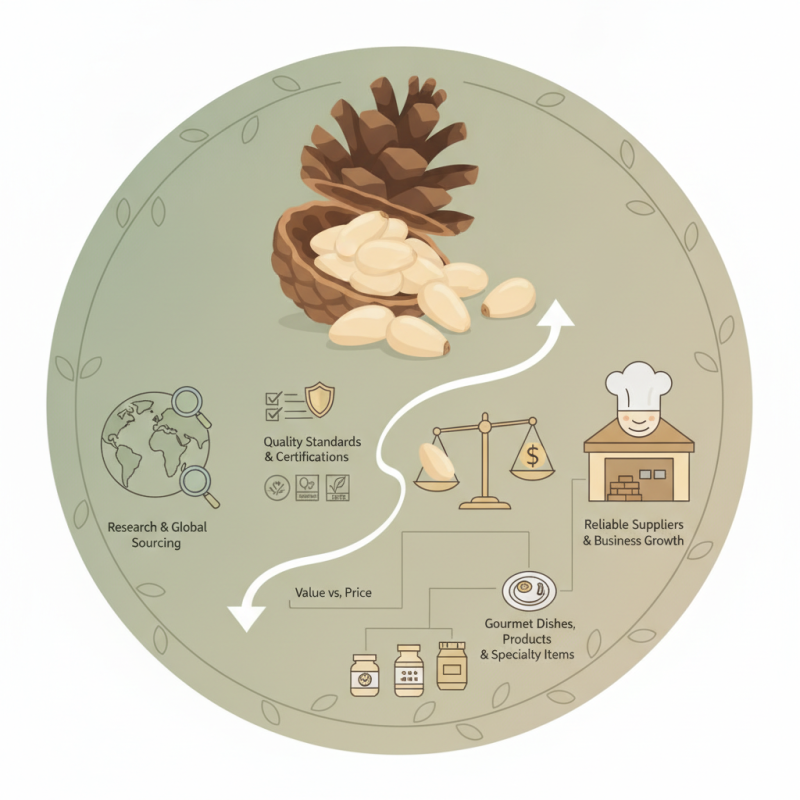
Sourcing high quality Pine Nut Kernels is crucial for any business aiming to thrive in the competitive market. These kernels are not just snacks; they are key ingredients for gourmet dishes, health products, and specialty items. Finding reliable suppliers ensures that the Pine Nut Kernels you offer meet customer expectations.
Navigating the marketplace for these ingredients can be daunting. There are countless suppliers, but not all provide the same level of quality. Some may offer lower prices, but that can compromise the integrity of the product. It’s important to consider factors like sourcing methods, quality standards, and certifications.
Reflecting on past sourcing experiences can guide your decisions. Perhaps you faced challenges with quality control or supplier reliability. These experiences can help inform your approach today. By researching suppliers and reviewing their practices, you can better ensure that the Pine Nut Kernels you choose are top-notch, ultimately benefiting your business and your customers.
Understanding the Quality Standards for Pine Nut Kernels in the Market
When sourcing high-quality pine nut kernels, understanding quality standards is crucial. Pine nuts should be fresh and free from contaminants. Industry reports indicate that over 70% of contamination cases involve improper storage. This often results in the growth of mold and reduces nut quality significantly. Inspecting suppliers for their handling practices is vital.
Quality metrics include size, color, and moisture content. Premium pine nuts typically measure 8 to 10 millimeters in length and have a light cream color. A moisture content of less than 9% is ideal. However, many suppliers struggle to maintain these standards, leading to inconsistent quality. Reports suggest that nearly 40% of nuts fail to meet these specifications in international markets.
Proper testing protocols can mitigate risks. Laboratory evaluations for aflatoxin levels and oil content provide insights into nut freshness and safety. Suppliers must ensure compliance with these testing measures. However, many businesses overlook this step, assuming their sources are reliable. This can lead to product recalls and damage to reputations.
Quality Standards for Pine Nut Kernels
Identifying Reliable Suppliers: Key Factors and Industry Best Practices
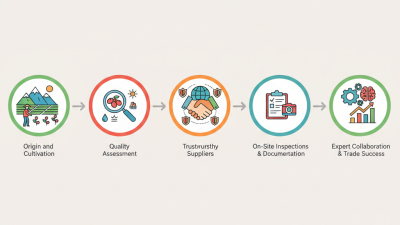
When sourcing high-quality pine nut kernels, identifying reliable suppliers is crucial. Start by assessing potential suppliers' experience in the industry. Assess their knowledge of sourcing, processing, and storing pine nuts. Engage in conversations to gauge their understanding of quality standards and best practices. A supplier's willingness to share insights can reflect their expertise.
Next, evaluate the supplier's certifications and quality control measures. Look for certifications that ensure adherence to food safety standards. These could include organic or sustainability certifications. Request product samples for a thorough quality check. Taste, texture, and aroma are essential indicators of quality. Always inspect the nuts for signs of rancidity or contamination.
Building relationships provides valuable insight into a supplier's reliability. Pay attention to their communication style and responsiveness. A trustworthy supplier should be open to questions and concerns. Consider visiting their facilities if possible. This is an opportunity to observe their processes and standards. Lastly, seek feedback from other businesses within your network. Their experiences can guide your sourcing decisions effectively.
Assessing Pine Nut Kernel Grades: A Guide to Industry Classifications
When sourcing high-quality pine nut kernels, understanding industry classifications is crucial. Pine nuts are graded based on several factors, including size, color, and flavor profile. The American Pine Nut Industry outlines these classifications in their reports, indicating that larger kernels, typically over 9.5 mm, often command higher prices and are preferred by gourmet buyers.
Different grades like "Extra" and "Fancy" are sought after for their taste and appearance, while lower grades may contain more broken pieces. According to a recent industry analysis, around 30% of pine nut offerings fall into the lower grade categories, which can affect overall product quality. Keep an eye on supplier certifications to ensure product reliability.
Tips: Always request samples before purchasing. Check for uniformity in size and shape, as inconsistencies can indicate lower quality. Regularly review supplier practices; industry standards evolve, and staying informed is key to maintaining your business’s quality standards.
How to Source High Quality Pine Nut Kernels for Your Business? - Assessing Pine Nut Kernel Grades: A Guide to Industry Classifications
| Grade |
Appearance |
Nut Size (mm) |
Moisture Content (%) |
Flavor Profile |
Common Uses |
| Grade A |
Light in color, uniform size |
9-10 |
5-7 |
Sweet, buttery |
Gourmet cooking, salads |
| Grade B |
Slight color variations |
8-9 |
7-10 |
Nutty, mild |
Baking, sauces |
| Grade C |
Darker, inconsistently sized |
7-8 |
10-12 |
Strong, earthy |
Cooking, oil extraction |
| Grade D |
Broken pieces, discolored |
<6 |
12+ |
Stale, bitter |
Animal feed, compost |
Evaluating Supply Chain Transparency: Importance for Quality Assurance
When sourcing high-quality pine nut kernels, evaluating supply chain transparency is crucial. A clear view of the supply chain enhances quality assurance.
Consumers want to know where their food comes from. Responsible sourcing practices improve trust and product quality.
Quality assurance starts with knowing suppliers. Request information about harvesting and processing methods. Look for suppliers who are open about their operations.
This can reveal practices that impact quality. Transparency helps identify potential risks in the supply chain.
Tip: Visit suppliers in person if possible. Seeing the operation firsthand can provide insights that documents cannot.
Building strong relationships with reliable suppliers is essential. A transparent supply chain ensures consistent quality. Regular audits and communication can strengthen partnerships.
Tip: Establish criteria for evaluating suppliers. Use these standards to guide your selection process. Always be willing to reassess and refine your criteria as you learn more about the industry.