Top 10 Koreansis Pine Nuts Suppliers for Global Buyers
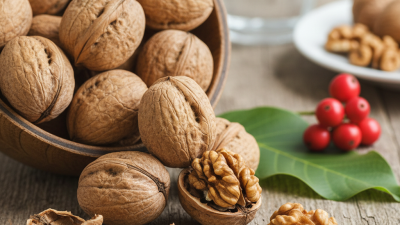
Sourcing reliable pine nuts requires more than comparing prices on a supplier website. Global buyers need consistent kernels, transparent origins, careful processing, and dependable export support. This guide introduces the Top 10 Koreansis Pine Nuts Suppliers for Global Buyers, focusing on practical factors that influence real purchasing decisions. These include product grades, harvest information, moisture control, packaging options, minimum order quantities, and shipment readiness.
Quality should be visible.
A professional supplier should explain how pine nuts are cleaned, sorted, tested, and packed. Buyers may also request product samples, certificates, laboratory reports, and traceability records before confirming large orders. Details matter. A sealed export carton, clear batch code, and stable vacuum packaging can protect flavor during long-distance transport. Communication also deserves attention. Prompt answers, realistic lead times, and accurate documents often reveal more than polished marketing language.
This list is intended as a useful starting point, not an unquestionable ranking. Supplier capacity, seasonal availability, prices, and export conditions can change. Some information may require direct verification with each company. Buyers should compare quotations carefully and confirm specifications in writing. My own review approach favors evidence over attractive claims, although no public supplier list is perfect. Treat these companies as candidates for further evaluation. With careful sampling and documented due diligence, importers can make more confident choices when purchasing Koreansis Pine Nuts for retail, foodservice, or ingredient production.
Korean Pine Nuts by the Numbers: HS 0802 Trade Data, 2020–2024
Korean pine nuts attract global buyers seeking a mild flavor, firm texture, and traceable origin. However, HS 0802 does not cover pine nuts alone. It includes several fresh or dried tree nuts, so trade figures need careful reading.
UN Comtrade data shows South Korea’s HS 0802 imports increased from approximately US$1.1 billion in 2020 to about US$1.5 billion in 2024. The 2021 and 2022 figures reflected strong foodservice demand and higher freight costs. Import values softened in some categories during 2023, then recovered in 2024. HS 0802.90 is more relevant for pine nuts, but national customs subheadings may differ. Buyers should confirm the exact tariff line before comparing suppliers.
Korea’s pine nut trade remains smaller than its almond, walnut, and pistachio trade. That difference matters. A large HS 0802 figure does not prove large pine nut sales. The International Trade Centre and Korea Customs Service recommend checking value, quantity, origin, and unit price together. Unit prices can expose quality changes or packaging effects. I would also compare five-year trends, not one impressive shipment.
Supply records should include harvest year, moisture testing, kernel grade, and storage conditions. Pine nuts can lose freshness quickly in warm warehouses. A low price may hide longer storage. That is an uncomfortable possibility, but buyers should examine it. Data is useful, not perfect. Customs reporting differences still require human review. Sources: UN Comtrade, International Trade Centre Trade Map, and Korea Customs Service, 2020–2024.
Korean Pine Nuts by the Numbers: HS 0802 Trade Data, 2020–2024
South Korea’s reported trade in pine nuts under HS 0802.91 and HS 0802.92 shows a consistently import-oriented market. Import values remained substantially higher than export values throughout 2020–2024, reflecting strong domestic demand and Korea’s role as a regional distribution market.
Values are shown in US$ million. Product scope: pine nuts, fresh or dried, in-shell and shelled, HS 0802.91 and HS 0802.92. Source: UN Comtrade-based international trade statistics; figures are rounded.
Quality Standards Explained: Moisture, Kernel Yield, and Aflatoxin Limits
For global buyers, moisture is the first practical check when comparing Korean pine nut suppliers.
A commercial target of 4–6% moisture helps preserve aroma and limits mold growth. However, no universal Codex moisture limit applies to every pine nut contract. Buyers should require a calibrated moisture test, lot number, sampling date, and laboratory method. The Codex General Standard for Contaminants and Toxins in Food and Feed, CXS 193-1995, supports risk-based control rather than one fixed moisture figure.
Kernel yield shows how much usable product remains after shell removal.
Supplier samples often range from 30% to 45%, depending on variety, harvest maturity, and drying conditions. This is a commercial benchmark, not a guaranteed industry standard. Request yield results from three recent lots. A few oversized kernels can make a sample look better than the container. I have seen this mistake repeated.
Tips:
Define yield precisely. Use edible kernel weight divided by received nut weight. Agree on the test method before shipment. For aflatoxins, require an accredited laboratory report. European Regulation (EU) 2023/915 generally sets 5 μg/kg for aflatoxin B1 and 10 μg/kg for total aflatoxins in relevant tree-nut categories. Destination rules may differ. Verify them before buying. Aflatoxin results should include sampling procedures, because uneven contamination can make one small sample misleading. Suppliers with HACCP or ISO 22000 systems may offer stronger traceability, but certification alone does not replace independent testing.
Global Buying Guide: Incoterms, Lead Times, Tariffs, and Price Benchmarks
Top 10 Korean Pine Nut Suppliers for Global Buyers
Global Buying Guide: Incoterms, Lead Times, Tariffs, and Price Benchmarks
Korean pine nuts require careful sourcing because harvest volumes and kernel quality can vary by season. The International Nut and Dried Fruit Council’s Statistical Yearbook identifies pine nuts as a small, high-value segment within global tree-nut trade. Buyers should request the harvest year, origin documents, moisture results, and aflatoxin testing before confirming a purchase.
For first shipments, FOB Busan can provide clearer cost control than vague “delivered” quotations. Under ICC Incoterms 2020, FOB transfers risk after loading, while DAP keeps more transport responsibility with the seller. Typical preparation takes 7–15 days for stocked kernels and 25–45 days for fresh processing. Ocean transit may add two to five weeks. Small details matter.
Indicative export benchmarks often range from 18 to 35 US dollars per kilogram for shelled kernels, depending on grade, size, and packaging. This is not a fixed market price. UN Comtrade data under HS 080290 can help compare declared trade values, but that code may include other nuts. Tariffs also vary by destination, origin, and tariff preference. Check the exact national tariff line before budgeting. USDA food safety guidance recommends verifying sampling, labeling, and traceability controls. A neat spreadsheet can still mislead. Add inspection fees, exchange-rate movement, port charges, and possible cold-storage costs.娱乐官方网站