Why Are Walnuts Considered a Superfood for Your Health?
Walnuts have gained recognition as a superfood for their remarkable health benefits. Rich in essential nutrients, these nuts are packed with omega-3 fatty acids, antioxidants, and vitamins. Regular consumption of walnuts can support heart health and may even improve brain function. Their unique nutrient profile helps reduce inflammation and lower cholesterol levels.
In addition, walnuts are versatile and easy to include in various diets. Whether added to salads, oatmeal, or enjoyed as a snack, they offer numerous culinary possibilities. Nutritional studies suggest that incorporating walnuts can lead to improved overall health. However, it is essential to consume them in moderation due to their high-calorie content. Some might find it challenging to balance walnuts within a healthy diet.
Despite their benefits, it's important to remember that each person's dietary needs are different. Consulting a healthcare professional can help tailor advice to individual health goals. As the popularity of walnuts continues to rise, understanding their benefits fully is crucial for making informed dietary choices.

Nutritional Profile of Walnuts: Key Vitamins and Minerals
Walnuts are celebrated as a superfood due to their impressive nutritional profile. A single ounce of walnuts contains 4 grams of protein and is rich in healthy fats. These fats primarily consist of omega-3 fatty acids, known for their heart health benefits. According to a study published in the American Journal of Clinical Nutrition, a diet high in omega-3s can lower the risk of cardiovascular diseases. This makes walnuts a smart addition to daily meals.
In addition to these healthy fats, walnuts are packed with essential vitamins and minerals. They contain magnesium, phosphorus, and zinc, which support various bodily functions. Research from the Journal of Nutrition indicates that magnesium plays a crucial role in over 300 enzymatic reactions. However, despite these benefits, many people overlook walnuts in their diet. This oversight could be due to a lack of knowledge about their health benefits.
Incorporating walnuts into your routine could improve overall health. Yet, it’s important to consume them in moderation. The high-calorie content may lead to weight gain if eaten excessively. As with any superfood, balance is key.
Why Are Walnuts Considered a Superfood for Your Health? - Nutritional Profile of Walnuts: Key Vitamins and Minerals
| Nutrient |
Amount per 100g |
Daily Value (%) |
| Calories |
654 kcal |
32% |
| Protein |
15.2 g |
30% |
| Fat |
65.2 g |
100% |
| Carbohydrates |
13.7 g |
5% |
| Fiber |
6.7 g |
27% |
| Vitamin E |
0.7 mg |
5% |
| Magnesium |
158 mg |
40% |
| Phosphorus |
346 mg |
49% |
| Omega-3 Fatty Acids |
9.1 g |
N/A |
Health Benefits of Walnuts: Cardiovascular Protection and More
Walnuts are often celebrated as a superfood due to their remarkable health benefits. They are particularly known for their cardiovascular protection. Rich in omega-3 fatty acids, walnuts can significantly lower bad cholesterol levels. According to a study published in the Journal of Nutrition, regular walnut consumption can reduce the risk of heart disease by as much as 30%. This is vital information for anyone looking to enhance their heart health.
Moreover, walnuts are packed with antioxidants. These compounds combat oxidative stress, which can lead to chronic diseases such as diabetes and cancer. A report from the American Heart Association highlighted that antioxidants in walnuts help improve overall heart function. Such benefits make walnuts an excellent addition to a balanced diet.
**Tips:** Try incorporating walnuts into your morning oatmeal or yogurt. A handful can make a huge difference. If you’re looking for a quick snack, consider having walnuts instead of chips or sweets. Remember, moderation is key. Too many could lead to excess calorie intake, so aim for about 1 ounce per day.
Antioxidant Properties of Walnuts: Fighting Free Radicals
Walnuts stand out as a superfood due to their impressive antioxidant properties. These nuts are rich in polyphenols, which help combat oxidative stress. Oxidative stress is a major contributor to diseases like cancer and heart disease. By neutralizing free radicals, walnuts promote better health. They serve as a simple, tasty addition to various meals.
Incorporating walnuts into your daily diet can be quite easy. Try adding them to your morning oatmeal or yogurt. You can toss a handful into salads for extra crunch. For a quick snack, consider enjoying them raw or roasted. Keep in mind that moderation is key. A small serving goes a long way.
Experiment with different recipes. Consider walnut pesto as a twist on traditional sauces. Blend walnuts with garlic and basil for a flavorful alternative. Remember, while walnuts are nutritious, overindulgence can lead to unwanted calorie intake. Balancing your diet with a variety of foods is important. Enjoy walnuts, but don’t forget the other food groups too.
Walnuts and Brain Health: Impact on Cognitive Function
Walnuts have gained attention for their potential benefits on brain health. Studies indicate that walnuts can positively impact cognitive function. A study published in The Journal of Nutrition reported that people who consumed walnuts regularly performed better on memory and cognitive tests. This effect is largely attributed to their high content of omega-3 fatty acids, particularly alpha-linolenic acid (ALA). Research states that ALA can improve blood flow to the brain, enhancing cognitive abilities.
However, while walnuts are a great source of nutrients, they are not a miracle food. Some people might find it challenging to include them in their diet due to allergies or taste preferences. Furthermore, overconsumption can lead to excess calorie intake. A balanced diet is still essential. The American Heart Association recommends incorporating a variety of nuts and seeds into your daily routine, alongside other healthy foods.
Anxiety and depression can also affect cognitive function. Some studies suggest that eating walnuts may help alleviate symptoms related to these conditions. The antioxidants and anti-inflammatory properties found in walnuts contribute to emotional well-being. Nevertheless, walnuts alone cannot replace professional treatment. Individuals should consult healthcare professionals for personalized advice.
Incorporating Walnuts into Your Diet: Tips and Recipes
Incorporating walnuts into your diet can be both tasty and beneficial. These nutrient-rich nuts offer a range of health benefits, including heart health support and brain function enhancement. Adding walnuts to your meals is easy and enjoyable.
For a simple snack, try mixing walnuts with dried fruits. This combination provides fiber and essential nutrients. You can also sprinkle crushed walnuts on salads for added crunch. They pair well with leafy greens and vinaigrettes.
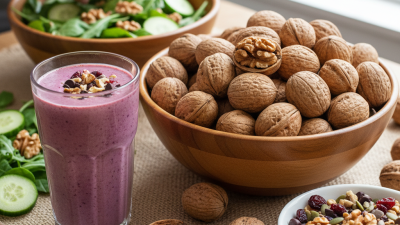
When cooking, use walnuts in baked goods. They enhance the flavor of muffins and brownies. Alternatively, blend walnuts into smoothies for a creamy texture. Remember to monitor portion sizes. While walnuts are healthy, they are high in calories. Enjoying them mindfully can help you reap their health benefits without overindulging.
Walnuts Nutritional Benefits Comparison