Leave Your Message
Choosing the top types of Walnut Kernels requires more than listing popular varieties. Buyers must examine cultivar, kernel color, size, texture, flavor, and intended use. A pale Chandler half may suit premium retail packs, while smaller Hartley pieces may perform better in bakery mixes. Howard, Tulare, Serr, and Franquette also offer distinct commercial advantages.
A neat ranking can mislead.
The “best” kernel depends on the market. Food manufacturers often value consistent pieces, stable supply, and predictable moisture. Retail customers usually notice appearance first. They expect clean, golden surfaces, a crisp bite, and no stale or paint-like odor. Quality teams should inspect samples under clear light. They should also check breakage, insect damage, shell fragments, and rancid notes.
Dr. Bruce Lampinen, a UC Davis walnut specialist, has emphasized, “The goal is to get as much light into the orchard as possible.” His observation concerns orchard management, yet it connects directly with kernel quality. Better canopy conditions can support more uniform nut development. Still, variety alone cannot guarantee excellent Walnut Kernels. Harvest timing, drying, storage temperature, and packaging matter greatly.
In this guide, we compare leading walnut kernel types through practical criteria. These include color grades, whole-kernel yield, flavor, texture, and common applications. We will also question a common assumption: darker kernels are not always inferior, and larger pieces are not always more valuable. Some judgments remain subjective. That is worth admitting. Reliable selection combines industry standards, laboratory checks, and hands-on tasting.
What Are the Top Types of Walnut Kernels?
Walnut Kernel Classification by Shell Type and Cultivar
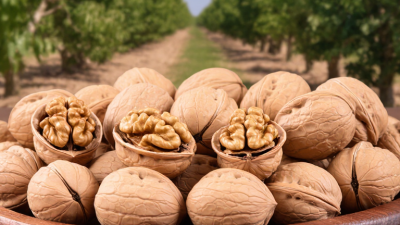
Walnut kernels are commonly classified by shell type, kernel shape, and cultivar. Hard-shell walnuts have thicker shells and need more force to crack. Their kernels often show stronger protection during storage. Thin-shell or paper-shell walnuts open more easily, but their kernels may break during handling. Shell thickness also varies within the same orchard, so appearance alone can mislead buyers.
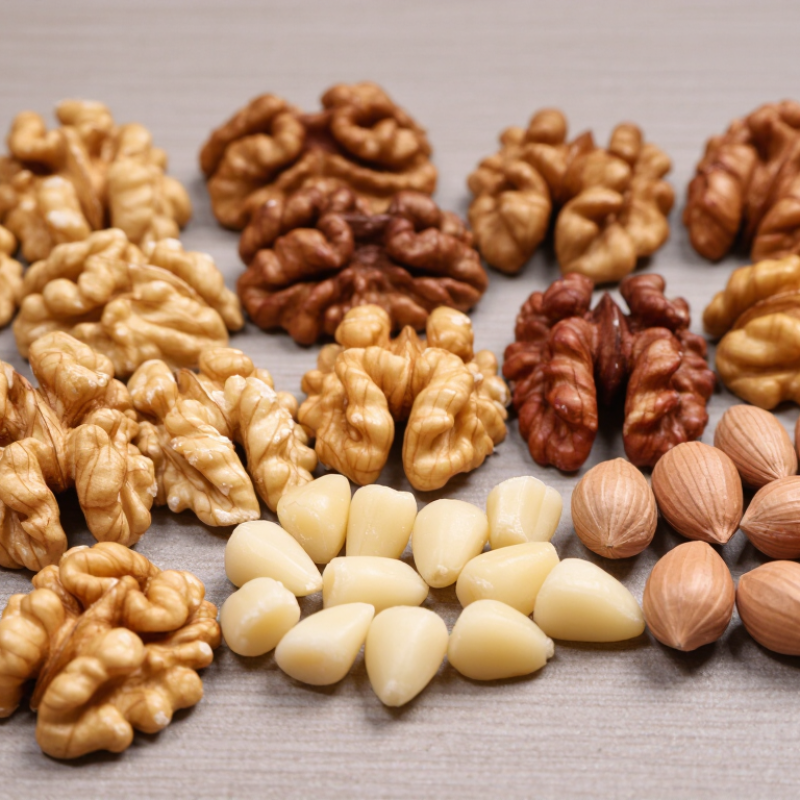
Kernel form is another practical classification. Whole halves are preferred for baking decoration and careful packing. Quartered kernels suit salads, cereals, and daily cooking. Smaller pieces work well in bread, sauces, and fillings. Fresh kernels should have a clean, mild aroma, firm texture, and pale to golden color. A sharp smell suggests oxidation, although this test is not perfect.
Cultivar differences add another layer. Chandler-type walnuts are often associated with light-colored, well-shaped halves. Hartley-type walnuts commonly produce attractive kernel halves with a balanced flavor. Franquette-type walnuts may show elongated shapes and richer color. These descriptions are useful, not absolute. Soil, harvest timing, drying temperature, and storage can change the final kernel quality. In my experience, shell type predicts cracking effort better than eating quality. That distinction deserves more attention. A thin shell does not always mean a better kernel.
| Cultivar | Typical Shell Type | Kernel Color | Kernel Form and Appearance | Kernel Yield and Ease of Shelling | Typical Maturity Period | Notable Cultivation Characteristics |
|---|---|---|---|---|---|---|
| Chandler | Thin to medium-thin | Extra light to light | Large, well-filled kernels; frequently produces attractive halves and pieces. | High kernel percentage; generally easy to crack with good commercial shell-out performance. | Mid to late season | Late-leafing and widely valued for high-quality light kernels and strong lateral fruiting. |
| Hartley | Medium | Light | Large, broad, attractive kernels with a traditional half-kernel shape. | Good kernel quality; shelling performance is generally dependable when nuts are properly dried. | Mid season | Known for high-quality nuts and a distinctive pointed shell shape; commonly grown in California. |
| Howard | Medium-thin | Light to extra light | Large, well-filled kernels with a favorable balance of halves and pieces. | Good kernel-to-shell ratio and relatively efficient shelling. | Mid season | Compact tree habit compared with some older cultivars; suitable for high-density orchard systems. |
| Serr | Thin to paper-like | Light | Large kernels with a good appearance when orchard management and pollination are adequate. | High kernel percentage; thin shells can reduce cracking effort but require careful handling. | Early to mid season | Early-bearing cultivar with good productivity in suitable climates; sensitive to some site and pollination conditions. |
| Tulare | Medium-thin | Light to extra light | Large, well-filled kernels with a good proportion of marketable halves. | High kernel yield and generally good shelling characteristics. | Mid season | Productive, precocious cultivar with strong lateral bearing and good performance in warm walnut-growing regions. |
| Franquette | Hard to medium-hard | Light | Elongated kernels with a refined appearance and a relatively high proportion of whole kernels when carefully shelled. | Lower shell-out convenience than thin-shelled types; mechanical cracking may require more force. | Late season | Late-leafing French cultivar that can help reduce risk from late spring frost in suitable regions. |
| Fernette | Medium to hard | Light | Large, well-shaped kernels with good visual quality. | Good kernel size; shell strength can make cracking more demanding than with paper-shell walnuts. | Late season | French cultivar often used in European orchards; late leafing and productive lateral bearing are notable traits. |
| Lara | Thin to medium | Light to amber | Very large, round to broad kernels; commonly sold as halves, quarters, or larger pieces. | Good kernel size and shell-out value; cracking results depend on orchard maturity and drying conditions. | Mid to late season | Large-fruited French cultivar widely grown in parts of Europe, where it is valued for nut size and appearance. |
Note: Shell classifications such as “paper-like,” “thin,” “medium,” and “hard” are practical trade descriptions rather than universal technical grades. Kernel color, yield, cracking performance, and harvest timing can vary with cultivar strain, orchard location, crop load, irrigation, maturity, and post-harvest drying.