Leave Your Message

7 Best Pumpkin Seeds for Glowing Skin Benefits

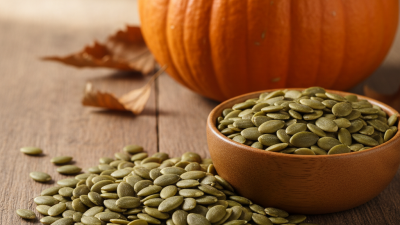
Pumpkin seeds are small, but their nutritional profile is surprisingly varied. A spoonful adds a gentle crunch to oatmeal, salads, or yogurt, along with protein, unsaturated fats, and minerals such as zinc. These nutrients support normal body functions, including skin maintenance. That does not mean one snack can erase dryness or fine lines. Skin is influenced by genetics, sun exposure, sleep, hormones, and overall diet, too.

The phrase Pumpkin Seeds Shine Skin captures an appealing idea, but it needs a little perspective. Pumpkin seeds can be part of a balanced eating pattern; they are not a proven skin treatment. Their zinc content matters for normal skin health, while their fats contribute energy and help make meals satisfying. Nutrition varies by product, and salted or heavily flavored seeds may add considerable sodium. Check the label, especially if you eat them often.

This guide explores seven pumpkin seed choices, from raw kernels to roasted varieties and seed butter. Each offers a different taste, texture, and level of convenience. Raw seeds are mild and soft; roasted kernels bring a deeper, toastier bite. Some options may suit quick snacks, while others work better sprinkled over soup or blended into a spread. The best choice depends on your preferences and needs, not a promise of glowing skin. Small details count. Portion size does, too. And honestly, even a carefully chosen seed cannot replace sunscreen, varied meals, or advice from a qualified clinician when skin concerns persist.
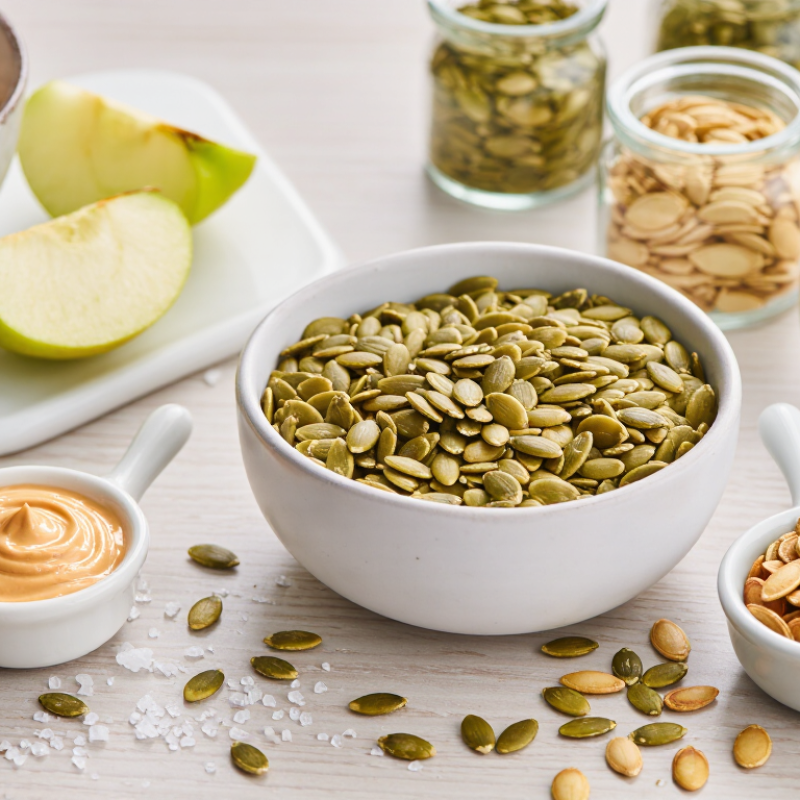
7 Best Pumpkin Seeds for Glowing Skin Benefits

Pumpkin Seeds: Nutrition, Skin Benefits, and Key Compounds

Pumpkin seeds offer more than a crunchy topping. A one-ounce serving of roasted kernels provides about 163 calories, 8.5 grams of protein, and 2.2 milligrams of zinc, according to USDA FoodData Central. They also supply unsaturated fats and magnesium. The exact numbers vary with roasting and added salt. Small details matter.

Zinc supports normal skin maintenance and wound healing, as described by the U.S. National Institutes of Health Office of Dietary Supplements. Pumpkin seeds can contribute zinc, but they are not a skin treatment. Their protein and fats help make them a satisfying snack; they do not promise a brighter complexion. That distinction is easy to miss.

A handful over yogurt or salad adds a nutty crunch, while salted versions can bring considerably more sodium. Check the label, especially if you snack on them often. Skin appearance also reflects many factors, including genetics, sleep, and sun exposure. I would treat pumpkin seeds as useful food, not a shortcut to glowing skin.
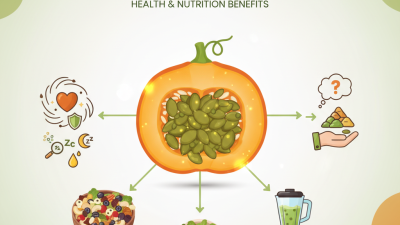
How Pumpkin Seeds May Support a Healthy, Radiant Complexion

Pumpkin seeds may support healthy-looking skin, though they are not a quick fix for dullness or dryness. They contain zinc, a mineral involved in normal skin maintenance, and unsaturated fats that contribute to a balanced diet. A small handful sprinkled over oatmeal or a salad adds a mild, nutty crunch. Keep expectations realistic: skin health also depends on genetics, sleep, sun exposure, and overall nutrition.

They offer useful nutrients. But no single food can promise a radiant complexion. Pumpkin seeds also provide protein and vitamin E, which helps protect cells from oxidative stress as part of the body’s normal processes. Choose plain, unsalted seeds when possible, and watch portions if you are tracking calories; they are compact but energy-dense. Roasted seeds can taste satisfying, although heavily salted varieties may add more sodium than you intend. I sometimes find the shells distracting, so shelled kernels are an easy option.

For a simple routine, stir a spoonful into yogurt or blend them into a smoothie. If you have a seed allergy, avoid them, and ask a healthcare professional about dietary changes that concern you. The evidence for specific “glowing skin” effects is limited. That uncertainty matters.

7 Best Pumpkin Seed Choices for Skin Health

7 Best Pumpkin Seed Choices for Skin Health

Pumpkin seeds can fit into a skin-conscious diet, though no food can promise glowing skin. They provide zinc, vitamin E, protein, and unsaturated fats, nutrients that support normal skin function. A small handful adds a mild, nutty crunch to breakfast or a salad. I’ve found they’re easiest to enjoy when lightly toasted, but it’s easy to eat more than intended.

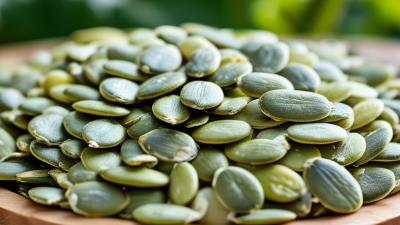
Choose plain, unsalted seeds for everyday use. Raw seeds have a softer bite; dry-roasted ones are crisp and convenient. Shelled pepitas blend smoothly into oatmeal, while whole seeds offer a heartier snack. Try ground seeds in yogurt or sprinkled over soup. Keep portions modest, especially if you’re watching calories or sodium. Small changes count.

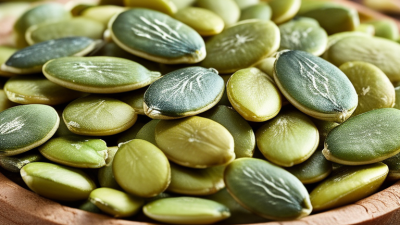
For variety, choose seeds with the shell, hulled green pepitas, or gently roasted options without added sugar. Check the ingredient list: it should be short and clear. Store seeds in a sealed container away from heat, since their oils can turn stale. They’re useful, not miraculous. Skin appearance also depends on sleep, hydration, sun protection, and individual health; persistent concerns deserve advice from a qualified clinician.

How to Add Pumpkin Seeds to Your Skincare-Friendly Diet

Pumpkin seeds can fit easily into a skincare-friendly diet: toss a spoonful over oatmeal, yogurt, or a lunch salad. Their appeal is nutritional, not magical. USDA FoodData Central reports that a 28-gram serving of roasted pumpkin seed kernels provides about 8.5 grams of protein and 2.2 milligrams of zinc. Zinc supports normal skin function, while protein supplies building blocks used throughout the body. These nutrients do not promise clearer or “glowing” skin, and food alone cannot treat a skin condition.

For a simple snack, combine unsalted seeds with sliced pear, or sprinkle them over roasted vegetables for a crisp finish. Choose plain or lightly salted kernels if you want to keep sodium modest; check the package label, since products vary. A small handful is easy to overeat, so portion some into a bowl instead of eating from the bag. I’ve found the crunchy texture works well on soup, too, though it can soften quickly.

Tips: Start with one tablespoon and pair it with fruit or whole grains. Grind seeds into a coarse topping if whole kernels feel too tough. Store them sealed in a cool, dry place, and avoid them if you have a seed allergy. A balanced diet matters more than any single ingredient.

Pumpkin Seeds: Nutrients That Support Healthy Skin

A 1-ounce (28 g) serving of roasted pumpkin seed kernels provides several nutrients involved in normal body functions, including zinc and vitamin E. Nutrient content varies by product; pumpkin seeds can be part of a balanced diet, but no single food guarantees glowing skin.

Approximate values based on USDA FoodData Central data for roasted pumpkin seed kernels. Percent Daily Values use U.S. FDA reference values for adults and children aged 4 and older.

Tips for Choosing and Storing Pumpkin Seeds

For a skin-friendly pantry staple, choose plain pumpkin seeds with minimal added salt or sugar. Look for clean, dry seeds in a sealed package, and check the ingredient list for oils or flavorings you may not want. Shelled seeds are convenient for yogurt or oatmeal; seeds in their shells take longer to eat. Either can fit into a balanced diet, but no seed can promise glowing skin on its own. Nutrition matters, yet sleep, hydration, and overall eating habits matter too.

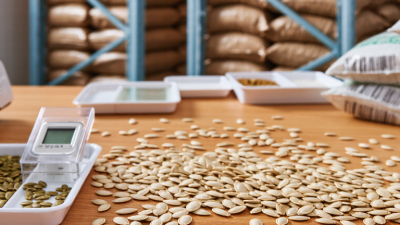
Freshness counts. Smell the seeds before buying when they are sold in bulk; they should smell mild and nutty, not sour or paint-like. At home, transfer opened seeds to an airtight container and keep it in a cool, dark cupboard. For longer storage, refrigerate or freeze them, especially if your kitchen runs warm. Keep moisture out. A dry spoon helps. I sometimes forget the container at the back of the cupboard, so date the lid or package after opening. If the seeds taste bitter, smell rancid, or show signs of moisture, discard them rather than trying to toast away the problem. Toasting can deepen their flavor, but it does not restore spoiled seeds.

7 Best Pumpkin Seeds for Glowing Skin Benefits — Tips for Choosing and Storing Pumpkin Seeds
Pumpkin Seed Type Best For Nutrients Relevant to Skin Choosing Tips Storage Tips
Raw, hulled kernels (pepitas) Salads, oatmeal, yogurt, and easy everyday snacking. Provide protein, unsaturated fats, magnesium, and zinc. Zinc supports normal skin function; eating these seeds does not guarantee a particular skin appearance. Look for plain kernels without added salt, sugar, or oil. Choose a fresh-smelling product with no signs of moisture. Seal tightly and keep in a cool, dry, dark place. Refrigerate or freeze for longer storage.
Dry-roasted, unsalted kernels A crunchy snack or topping for soups and grain bowls. Retain protein, unsaturated fats, magnesium, and zinc. Roasting can change nutrient levels somewhat, depending on temperature and processing. Choose dry-roasted seeds with little or no added salt and no sugary coating. Store in an airtight container away from heat and light; refrigerate if keeping them for an extended period.
Whole seeds in the shell People who enjoy a slower, crunchy snack. The edible kernel supplies protein, unsaturated fats, magnesium, and zinc. The shell adds texture and fiber when eaten, but may be tough for some people to digest. Pick clean, dry seeds without a musty smell or damaged shells. Check whether the package indicates that the shells are intended to be eaten. Keep dry and sealed. Discard seeds that become damp, moldy, or rancid-smelling.
Sprouted pumpkin seeds People seeking a softer texture for salads, bowls, or snacks. Still contribute protein, fats, magnesium, and zinc. Nutrient content varies by product and sprouting method; sprouting does not establish a skin-specific benefit. Choose commercially packaged seeds with clear ingredient and storage instructions. Avoid products with signs of moisture or spoilage. Follow the package directions. Refrigerate after opening if instructed, and use promptly once opened.
Ground pumpkin seeds Smoothies, porridge, sauces, and recipes where whole seeds are inconvenient. Offer the same general nutrients as the kernels, including protein, unsaturated fats, magnesium, and zinc. Grinding makes them easier to mix into foods. Buy a small quantity or grind plain kernels at home. Check that the product has no unnecessary added ingredients. Because grinding exposes more surface area to air, keep airtight in the refrigerator or freezer and use while fresh.
Unsalted pumpkin seed butter Spreads, dips, and adding a creamy texture to snacks. Can provide protein and unsaturated fats; mineral content varies by product and serving. It is a food source, not a treatment for skin concerns. Choose a version with a short ingredient list, ideally pumpkin seeds only, and compare labels for added salt or sugar. Follow the label for refrigeration and stirring instructions. Use a clean, dry utensil and keep the lid closed.
Lightly seasoned pumpkin seeds Flavorful snacking when plain seeds feel less appealing. Provide the nutrients found in pumpkin kernels, but seasoning can add sodium, sugar, or extra oil. Compare nutrition labels and choose lower-sodium options without heavy sweet coatings if that suits your dietary needs. Store in the original sealed package or an airtight container, away from humidity, heat, and direct sunlight.

Note: Pumpkin seeds can contribute nutrients to a balanced diet, but no single food can promise “glowing skin.” Nutrient amounts vary with seed variety, processing, and serving size. A typical 1-ounce (28-gram) serving of pumpkin kernels supplies roughly 8–9 grams of protein, though products differ. Store seeds properly and discard any with a rancid, sour, or musty odor.