Ultimate Guide to Peanut Kernels Benefits and Buying Tips
Peanut Kernels are more than just a crunchy snack. They are packed with nutrition and benefits that can enhance our overall well-being. Dr. Emily Carter, a renowned nutritionist, once stated, “Incorporating peanut kernels into your diet can offer significant health advantages.” This highlights the potential of these versatile nuts.
Peanut Kernels provide essential vitamins and minerals. They are rich in protein and healthy fats. Regular consumption can support heart health and improve brain function. They also offer antioxidants that help protect against diseases. These benefits make peanut kernels a compelling choice for many health-conscious individuals.
However, buying the right peanut kernels can be challenging. Quality varies significantly. Consumers should look for fresh, organic options. Checking for certifications can ensure reliability. This guide aims to explore the benefits of peanut kernels. It will also provide tips for selecting the finest varieties. Balancing health advantages with responsible purchasing is crucial.
Benefits of Peanut Kernels: Nutritional Profile and Health Impact
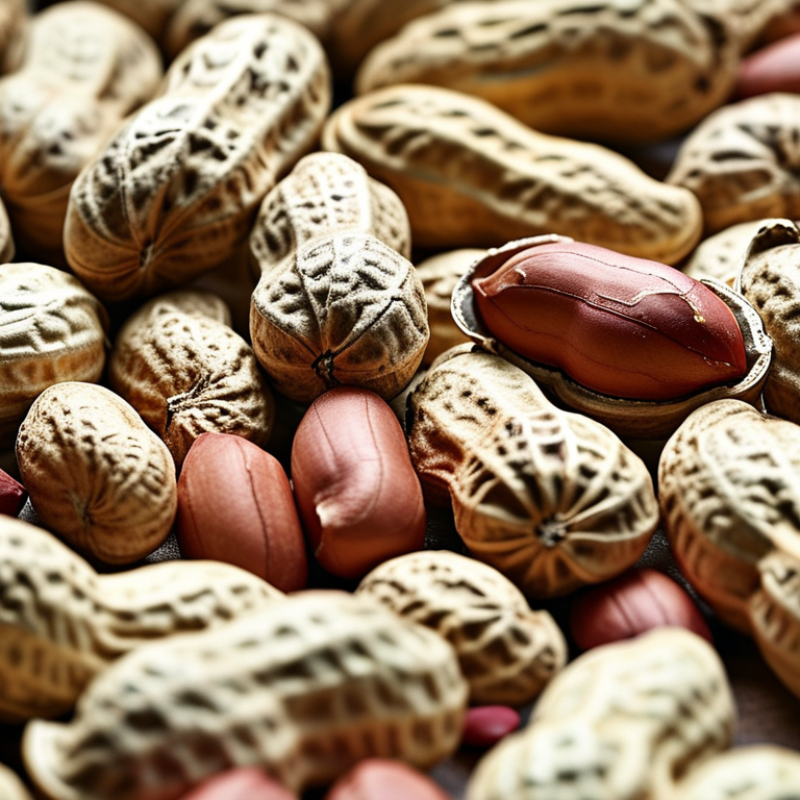
Peanut kernels are not only delicious but also packed with nutrients. They provide a rich source of protein, healthy fats, and essential vitamins. One serving delivers a good amount of vitamin E, magnesium, and folate. These nutrients contribute to heart health and can lower cholesterol levels. However, moderation is key. Overeating peanuts may lead to weight gain, despite their health benefits.
Peanut kernels also contain antioxidants. These compounds help combat oxidative stress in the body, promoting overall health. Consuming peanuts might have a positive impact on your immune system. Still, some people may experience allergies. It’s crucial to assess your tolerance before indulging in them.
When buying peanut kernels, look for those that are raw and unsalted. Check the expiration date for freshness. Consider purchasing from trusted sources. Packaging should be intact, reflecting quality. Despite their many benefits, remember that everyone's body reacts differently. Listen to your body's signals after consumption.
Culinary Uses of Peanut Kernels: Versatile Ingredients in Global Cuisine
Peanut kernels are a staple in global cuisines. They offer versatility that few other ingredients can match. From savory dishes to sweet treats, peanuts add rich flavor and texture. In many Asian countries, peanuts are ground into sauces or used as toppings. They can elevate a simple stir-fry or enhance the depth of a curry.
A report by the Food and Agriculture Organization (FAO) highlighted that global peanut consumption has increased by over 60% in the last decade. This surge indicates that more chefs and home cooks are realizing the benefits of peanuts. They are an excellent source of protein, healthy fats, and vitamins. Raw, roasted, or even ground into paste, peanut kernels find their way into various recipes across different cultures.
Despite their popularity, many may overlook their potential. Not all recipes maximize the nut's flavor or texture. Overcooking can lead to bitterness, while under-seasoning diminishes their impact. Experimentation is key. Different cooking methods can yield distinct experiences. Some prefer them raw for a crunchy snack. Others enjoy roasted peanuts for their deeper, nutty flavor. The journey with peanut kernels is about discovery—finding the perfect balance in every dish.
Key Factors to Consider When Purchasing Peanut Kernels
When purchasing peanut kernels, quality is crucial. A reputable source should provide detailed information on origin and processing methods. According to industry standards, high-quality peanuts should have a moisture content below 10%. This ensures they remain fresh and flavorful.
Look for kernels that are uniform in size and color. Anomalies in appearance may indicate poor handling. Research suggests that peanuts grown in specific regions, like Virginia and Georgia, often yield better quality kernels due to optimal climate conditions. Check for independent testing reports. These can certify that the peanuts meet specified quality standards.
Consider the harvesting and storage practices used by suppliers. Peanuts should be stored in cool, dry conditions to prevent spoilage. A 2022 report showed that improper storage can lead to reduced nutritional value. Reviews from agricultural experts often highlight the importance of freshness. If possible, buy from local farmers. They often provide fresher options.
Understanding Peanut Kernel Varieties: Taste, Texture, and Uses
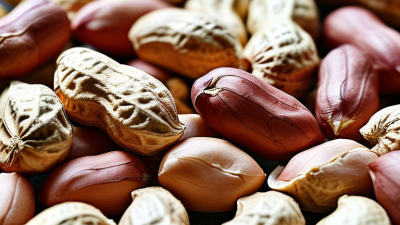
Peanut kernels come in various types, each offering unique flavors and textures. The most common varieties include Virginia, Runner, Spanish, and Valencia. Virginia peanuts are known for their large size and often enjoyed in gourmet snacks. They are crunchy and slightly sweet. Runner peanuts, while smaller, are widely used in peanut butter due to their rich flavor.
Spanish peanuts have a distinct nuttiness and are often found in candy and snacks. Their red skin adds visual appeal. Valencia peanuts, known for their sweet taste, are ideal for roasting. Each type offers different culinary uses, from baking to cooking, allowing versatility in the kitchen. Their distinct characteristics can elevate any dish.
Understanding these varieties helps in making informed choices while buying. You may want to consider the intended use. Will you be making a savory dish, or is a sweet treat in mind? Evaluating texture and taste will guide your selection. Don't overlook sourcing from reliable vendors to ensure freshness. Sometimes the best variety will surprise you, so be open to trying new kinds. Peak flavor often occurs in unexpected types, leading to delightful experiences.
Ultimate Guide to Peanut Kernels Benefits and Buying Tips
| Variety |
Taste |
Texture |
Uses |
Nutritional Benefits |
| Spanish |
Nutty and sweet |
Soft and creamy |
Peanut butter, snacks |
High in protein, healthy fats |
| Virginia |
Rich and buttery |
Crunchy |
Roasting, gourmet snacks |
Rich in antioxidants, vitamins |
| Runner |
Mild flavor |
Firm |
Peanut butter, baking |
High in niacin, fiber |
| Valencia |
Sweet and aromatic |
Tender |
Snacks, fresh peanuts |
High protein, vitamin E |
Storage and Shelf Life of Peanut Kernels: Best Practices for Freshness
When it comes to peanut kernels, proper storage is crucial for preserving their flavor and freshness. Store them in a cool, dry place. Airtight containers are ideal for protecting against moisture and pests. Peanut kernels can become rancid if exposed to air. Therefore, minimize their contact with oxygen by sealing them tightly.
The shelf life of peanut kernels varies with storage conditions. In optimal conditions, they can last up to six months. However, if you're unsure, consider freezing them. Freezing can extend their life to a year or more. Always check for signs of spoilage before consumption. A bitter taste or off-smell indicates they've gone bad.
Even in ideal storage, some kernels might not maintain quality. You may encounter occasional soft or discolored nuts. It's essential to sort through them before use. These details truly reflect the nuanced nature of peanut preservation, showcasing both care and caution in your culinary pursuits.