Leave Your Message

How to Source Pumpkin Seed Kernels in Bulk?

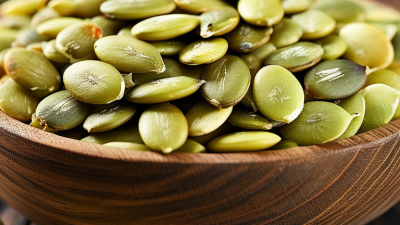
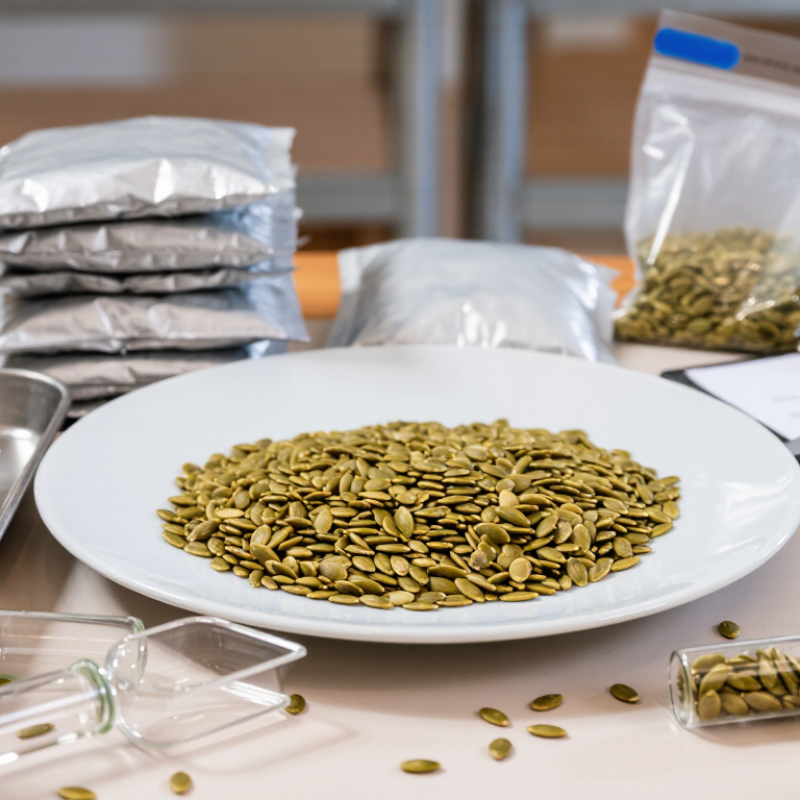
Sourcing Pumpkin Seeds Kernels in bulk requires more than comparing prices on a supplier spreadsheet. Buyers must examine origin, harvest timing, kernel size, moisture, cleanliness, and processing conditions. A bright green kernel may look attractive, yet poor storage can create a stale, oily smell within weeks. Small details matter.

Dr. Mary Jane De Souza, a researcher in seed nutrition, offers a useful principle: “Nutritional value depends on both the seed and its handling.” This idea is important when evaluating exporters, processors, and trading companies. Ask for a recent certificate of analysis, pesticide-residue information, microbiological results, and evidence of aflatoxin control. Request a physical sample, not only photographs. Taste it after opening the package.

A reliable supplier should explain the growing region, harvest year, shelling method, sorting process, and packaging material. Vacuum-packed or nitrogen-flushed bags can help protect the kernels from oxygen and humidity. However, packaging alone does not prove quality. Traceability must connect the finished product to a farm, lot, and production date.

Price deserves careful attention. The cheapest offer may include higher breakage, inconsistent color, or hidden shipping risks. That mistake can become expensive. Compare landed cost, minimum order quantity, lead time, payment terms, and replacement policies. No supplier is perfect. Even a promising sample may not represent the next shipment.

This guide explains how to screen Pumpkin Seeds Kernels suppliers with practical checks, clear documentation, and realistic expectations. Good sourcing is not merely finding a low price. It is building a supply chain that remains dependable after the first container arrives.
How to Source Pumpkin Seed Kernels in Bulk?

Define Bulk Pumpkin Seed Kernel Specifications and Quality Requirements

How to Source Pumpkin Seed Kernels in Bulk?

Define Bulk Pumpkin Seed Kernel Specifications and Quality Requirements

A reliable bulk purchase starts with a written specification, not a supplier photograph. State the seed type, origin, crop year, and intended use. Kernels should have a fresh, mild aroma and a clean, natural color. Dark spots, rancid notes, or excessive shell fragments require investigation.

Set measurable limits for moisture, broken kernels, foreign material, and insect damage. For example, moisture below 8% can support better storage, but the exact limit should match your process. Specify kernel size by count per 100 grams or by sieve range. Size variation affects roasting time and final appearance. Keep it practical.

Safety requirements need equal attention. Request recent laboratory results for aflatoxins, pesticide residues, heavy metals, Salmonella, and other relevant hazards. Testing should follow recognized methods and applicable destination-market regulations. A certificate alone is not proof of every shipment’s condition. Ask for lot numbers, sampling details, and test dates.

Packaging also deserves precise wording. Use food-grade bags, strong outer cartons, and moisture protection suitable for transport. Require labels showing lot code, net weight, production date, and storage guidance. A pre-shipment sample helps, but it can mislead if sampling is weak. I would inspect the arrival lot again, even when the first sample looked excellent. Specifications often need revision after real warehouse experience.

Identify Reliable Suppliers and Growing Regions for Pumpkin Seed Kernels

How to Source Pumpkin Seed Kernels in Bulk?

Reliable sourcing begins with the growing region, not a glossy supplier profile. China offers large volumes and broad kernel sizes, while Austria is known for hull-less Styrian pumpkin seeds. Eastern European producers can provide strong seasonal supply, but crop consistency may vary. Kazakhstan and nearby Central Asian areas also contribute commercial volumes. Each region has different harvest timing, drying methods, and transport risks.

Ask suppliers to identify the farm area, harvest year, and processing facility. A trustworthy supplier should provide lot-specific test reports, not generic certificates. Check moisture, foreign material, pesticide residues, aflatoxins, and Salmonella results. Request photos of sorting lines and sealed packaging. A serious exporter should explain how kernels move from field to container.

Small samples reveal practical problems. Rub the kernels between your fingers. They should feel dry, clean, and free from stale oil odors. Cut several pieces to inspect color and insect damage. I once trusted a consistent sample too quickly; the bulk lot showed uneven sizing. That mistake still matters. Confirm specifications in writing, including broken kernels, packaging weight, shelf life, and replacement terms. Harvest conditions can change quickly, so one successful shipment does not prove permanent reliability.

How to Source Pumpkin Seed Kernels in Bulk? - Identify Reliable Suppliers and Growing Regions for Pumpkin Seed Kernels
Growing or Processing Region Common Kernel Types Typical Harvest Window Commercial Strengths Important Buying Considerations Recommended Supplier Evidence
China — Inner Mongolia and North China White-hull kernels Dark-green kernels Pepita-style kernels Generally September to October, depending on cultivar, elevation, and local weather. Large agricultural base, established shelling capacity, and broad availability of conventional and roasted kernel formats. Confirm the actual farm origin, shelling location, crop year, moisture control, pesticide-residue compliance, and segregation between different kernel grades. Recent third-party laboratory reports, traceability records to production area, HACCP-based food-safety documentation, and a representative pre-shipment sample.
China — Xinjiang and Northwest Production Areas Large white-hull kernels Shelled pumpkin seeds Usually September to October. Dry climate can support efficient field drying and storage when post-harvest handling is properly managed. Check storage humidity, insect control, foreign-material removal, color consistency, and transportation conditions from inland facilities. Warehouse inspection records, moisture and water-activity results, aflatoxin testing where required, and documented lot coding.
Central Europe — Austria and Neighboring Areas Hull-less green kernels Oil-pumpkin kernels Typically September to October. Well known for hull-less pumpkin varieties used in snack foods, bakery products, salads, and cold-pressed oil applications. Green color and flavor can vary by variety and drying method. Ask whether the product is raw, dried, roasted, salted, or intended for oil pressing. Variety information, crop-year declaration, allergen and contamination controls, organic documentation when applicable, and microbiological test results.
Hungary, Serbia, Croatia, and Other Southeast European Areas Hull-less kernels Green kernels Oil-pumpkin kernels Generally September to October. Strong regional use of hull-less oil-pumpkin varieties and access to European food-processing markets. Verify whether the kernels are intended for direct human consumption or oil production; these uses may involve different sorting and quality specifications. Harvest-year confirmation, origin documentation, product specification sheet, pesticide-residue screening, and evidence of controlled drying and storage.
Ukraine and Eastern European Supply Areas White-hull kernels Green kernels Usually September to October. Established oilseed and grain-handling infrastructure with access to European logistics routes. Assess transport reliability, storage conditions, export documentation, crop-year availability, and the continuity of supply before committing to large volumes. Current legal-entity and export documentation, independent inspection, lot-specific testing, and a clearly defined delivery route and contingency plan.
India — Rajasthan, Madhya Pradesh, Gujarat, and Other Dry Areas White kernels Small and medium kernels Often harvested from September to November, with timing varying by planting season and region. Broad seed-processing experience and access to both domestic and export-oriented cleaning facilities. Pay close attention to size uniformity, broken-kernel percentage, heat exposure, infestation control, and aflatoxin risk during storage. FSSAI or applicable food-safety compliance, export-market laboratory reports, fumigation records where legally permitted, and a sealed production sample.
North America — United States and Canada Pepitas Hull-less kernels Roasting-grade kernels Mostly September to October, subject to local growing conditions. Consistent documentation, modern cleaning systems, and strong demand for snack, bakery, and ingredient applications. Domestic production may be more limited or seasonal than Asian and European supply. Confirm crop size, minimum order quantity, and delivery schedule early. Supplier audit reports, preventive-control plans, allergen controls, lot traceability, pesticide-residue results, and an agreed specification for size and breakage.
Mexico and Other Latin American Production Areas Pepitas White-hull kernels Harvest periods vary by production cycle; many commercial crops are harvested during the second half of the year. Regional familiarity with pepitas and convenient access to North American markets in suitable supply chains. Confirm the exact growing region, processing location, seasonality, packaging conditions, and ability to maintain quality during warm-weather transport. Origin certificate, food-safety plan, microbiological results, pesticide-residue testing, and transport-temperature or warehouse-control records when relevant.
Global Specification Benchmark Raw kernels Roasted kernels Organic kernels Available throughout the year when properly dried and stored, although new-crop supply is usually strongest after the regional harvest. Allows buyers to compare suppliers using measurable quality attributes rather than origin alone. Typical purchase specifications should define kernel size, color, odor, taste, moisture, foreign material, broken kernels, insect damage, rancidity, microbiological limits, and contaminant limits. Require a signed technical specification, lot-specific certificate of analysis, retained sample, traceability procedure, recall procedure, and change-notification policy.
Best-Practice Receiving Controls Bulk cartons Vacuum packs Food-grade bags Apply at every shipment, regardless of the producing region. Reduces risks associated with moisture migration, oxidation, infestation, foreign material, and incorrect labeling. Inspect packaging integrity, lot code, net weight, production date, best-before date, odor, color, visible mold, insect activity, and temperature history where available. Use independent pre-shipment inspection for new suppliers and retain a sealed reference sample from every received lot.
Purchasing note: Regional availability, harvest timing, kernel size, and quality parameters vary by cultivar, weather, processing method, and crop year. Before placing a bulk order, confirm the final specification against the regulations of the destination market, especially for pesticide residues, mycotoxins, microbiological limits, labeling, and organic claims.

Compare Pricing, Minimum Orders, and International Shipping Terms

When sourcing pumpkin seed kernels in bulk, compare landed cost rather than the quoted kilogram price. A low offer may exclude sorting, vacuum packing, inland transport, or export documentation. Request prices for the same grade, crop year, moisture level, and package weight. This makes supplier comparisons less misleading. It is not perfect.

Public data needs careful interpretation. FAOSTAT groups pumpkins and squash in broader production categories, while UN Comtrade often places seeds under wider oilseed classifications, including HS 1207.99. These reports show trade direction and volume, but they do not provide a clean global kernel price. Use them as market context, not as a final quotation benchmark. Ask for recent invoices or verifiable shipment references where possible.

Minimum order quantities can range from sample cartons to several metric tons. A smaller order usually carries a higher price per kilogram because cleaning, testing, and packing costs are spread across fewer units. For shipping, compare FOB, CIF, and DDP quotes under Incoterms 2020. FOB may look cheaper, but you arrange freight and insurance. CIF includes ocean freight and insurance to the destination port, not necessarily customs clearance. DDP appears simpler, yet duties and local delivery conditions must be confirmed in writing. Freight rates remain volatile; compare the quotation date, transit time, container size, and demurrage rules. A practical spreadsheet should show product cost, testing, inland freight, ocean freight, duties, and expected loss from breakage or rejected lots.

Verify Supplier Credentials Through Samples, Testing, and Audits

How to Source Pumpkin Seed Kernels in Bulk?

Supplier verification should begin with physical samples, not attractive quotations. Request samples from the same lot proposed for shipment. Check kernel size, moisture, color, shell fragments, rancid odor, and visible mold. A simple sieve test can reveal uneven grading. Taste a roasted portion too. It may expose bitterness that a laboratory report misses.

Independent testing adds evidence. Ask for moisture, peroxide value, aflatoxins, pesticide residues, Salmonella, and heavy metals. Test results should show the method, laboratory accreditation, sample date, and lot number. FAOSTAT recorded more than 23 million tonnes of pumpkins, squash, and gourds produced globally in 2022. That broad volume does not guarantee consistent kernel quality. Crop conditions vary sharply by origin and season. The INC Nutfruit Statistical Yearbook also emphasizes the importance of traceability and crop-year context in seed and nut supply chains.

Audits should examine reality, not only paperwork. Review cleaning lines, metal detection, storage temperature, pest control, allergen separation, and worker hygiene. Compare audit findings with shipment records and complaint data. Request corrective-action evidence, not promises. A recognized food-safety certification helps, but it is not proof of every batch. One weakness remains: supplier audits are snapshots. My practical approach is to approve a supplier conditionally, retest the first commercial shipment, and schedule periodic unannounced checks. Small omissions can matter. Fresh evidence beats a polished certificate.

Finalize Contracts, Packaging, Logistics, and Quality Control Procedures

Sourcing pumpkin seed kernels in bulk begins with a contract that removes guesswork. Define kernel variety, origin, crop year, size, moisture, and acceptable defect levels. State the ordered weight, delivery window, payment terms, and inspection method. Include lot identification and traceability requirements. A retained sample can settle disagreements more fairly than emails.

Packaging must protect the kernels from moisture, oxygen, light, and crushing. Use food-grade inner liners inside strong woven or kraft bags. For long-distance shipping, consider vacuum packing or nitrogen flushing when technically suitable. Each bag should show the lot code, net weight, production date, allergen information, and storage conditions. Labels need careful review. A small printing error can delay customs clearance.

Logistics planning should match the product’s sensitivity. Select clean, dry containers and inspect them before loading. Record seal numbers, pallet counts, loading temperatures, and humidity readings. Quality control should cover incoming inspection, moisture testing, rancidity indicators, foreign material, microbiological risks, and pesticide documentation where required. Ask for a certificate of analysis, but verify critical results independently. Sampling every lot is safer than trusting one shipment. No process is perfect. Even experienced buyers can overlook condensation during seasonal temperature changes. Review complaints, damaged cartons, and laboratory trends after each delivery, then adjust contract terms and handling procedures.

How to Source Pumpkin Seed Kernels in Bulk?

Recommended control targets for finalizing contracts, packaging, logistics, and quality procedures

The chart shows practical completion targets for a bulk pumpkin seed kernel sourcing plan. Contract and packaging specifications should be finalized before production, while logistics and quality control require documented checks through shipment and delivery.