China Top 10 Green Raisin Suppliers for Global Buyers
China’s dried-fruit industry offers global buyers a broad range of Green Raisins for retail, bakery, snack, and ingredient applications. Yet supplier selection requires more than comparing prices. Product color, moisture level, sweetness, size grading, stem removal, and packaging can affect both quality and customer acceptance. A reliable supplier should explain its processing methods clearly and provide practical documents for evaluation.
This guide reviews ten China-based Green Raisin suppliers from an international purchasing perspective. It focuses on product consistency, factory experience, export capability, quality-control procedures, packaging flexibility, and communication efficiency. Buyers should request recent samples, product specifications, certificates, and batch information before placing a commercial order. A clean sample is useful, but it does not guarantee every future shipment will match perfectly.
Ask direct questions. Verify the details.
Some suppliers may excel in bulk supply, while others serve private-label or smaller orders. Minimum order quantities, lead times, payment terms, and destination-port experience can differ considerably. Buyers should also confirm applicable food-safety requirements in their target markets and review labeling responsibilities with qualified professionals. This article is intended as a practical starting point, not a substitute for independent verification.
Supplier rankings may change as factories improve, prices shift, or export records develop. That uncertainty matters. The strongest choice is not always the largest company; it may be the supplier that documents each batch, responds quickly, and admits limitations honestly. Careful sampling and written specifications remain essential for dependable Green Raisins sourcing from China.
What Defines a High-Quality Green Raisin Supplier
A high-quality green raisin supplier offers more than attractive prices.
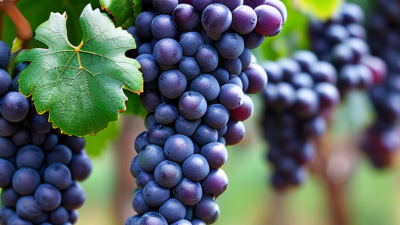
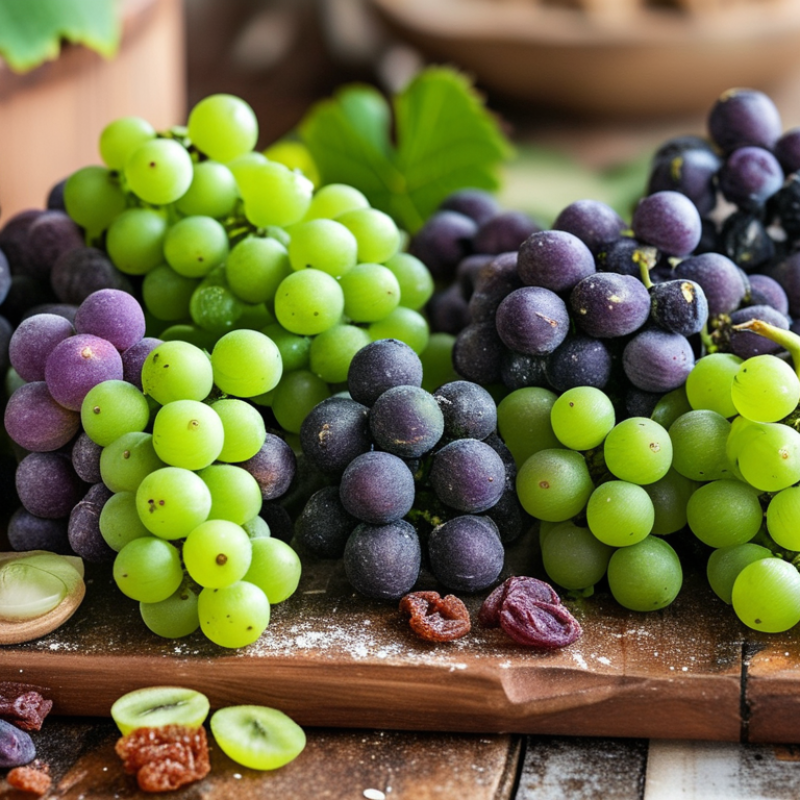
Global buyers should examine product consistency, processing controls, and export experience. Raisins should show a natural green color, flexible texture, and clean, mild sweetness. Excessive oiliness or a sharp fermented smell deserves attention.
Reliable suppliers can explain their drying method, moisture range, and storage conditions. They should provide recent laboratory reports for pesticide residues, microbial safety, heavy metals, and food-contact packaging.
Clear batch numbers also support traceability. Ask for samples from different production periods. One excellent sample proves little.
Tips: Request a sample, specification sheet, inspection report, and packaging photo before ordering. Compare the same details across several suppliers. A professional supplier answers specific questions without vague promises.
They should also explain how damaged or inconsistent batches are handled. This matters during long-distance shipping, where heat and humidity can affect texture. Even experienced buyers may overlook carton ventilation.
I have found that small packaging details sometimes create larger losses than price differences. Suppliers with stable communication, realistic lead times, and documented quality procedures usually offer stronger long-term value.
Still, no supplier is perfect. Independent inspection remains a sensible step for larger shipments.
China’s Main Green Raisin Producing Regions and Market Strengths
Xinjiang is China’s leading green raisin-producing region, especially around Turpan and Shanshan. Its dry climate, intense sunlight, and low rainfall support natural dehydration after harvest. Traditional drying rooms also help preserve the fruit’s pale green color and concentrated sweetness. According to the USDA Foreign Agricultural Service’s China: Raisin Annual 2024, China’s raisin production was estimated at about 205,000 metric tons in the 2023/24 marketing year. Production estimates vary between reports.
Turpan offers strong supply density, mature processing skills, and efficient connections to western logistics routes. Seedless green grapes are widely cultivated there, creating a dependable raw-material base for exporters. Gansu and Ningxia contribute smaller volumes, but their cooler nights and suitable irrigation systems can support firm texture and balanced sugar levels. The International Nut and Dried Fruit Council’s Statistical Yearbook 2024 also places China among the world’s important dried-grape producers.
Quality is not uniform. Some batches show uneven color, excess moisture, or inconsistent berry size. Buyers should review crop year, moisture analysis, sulfur-dioxide declarations, pesticide testing, and foreign-material controls before contracting. This is practical experience, not a perfect formula. Regional climate changes can also shift sweetness and drying results from one season to another.
China’s Main Green Raisin Producing Regions and Market Strengths
Regional sourcing relevance for global buyers
Xinjiang dominates China’s green raisin supply because of its dry climate, abundant sunshine, established grape-growing base, and mature processing infrastructure. Turpan is the best-known production center, while Kashgar, Aksu, Hotan, and the Gansu Corridor provide additional sourcing capacity. The score is a comparative market-strength index based on production concentration, suitability for natural drying, processing depth, and export logistics; it is not official tonnage or company-level data.
How to Compare Quality, Certifications, Prices, and Export Services
When comparing the top 10 green raisin suppliers, assess quality beyond appearance. Check berry size, color consistency, moisture, softness, and foreign-material controls. Request a recent sample from the same crop year. Laboratory results should support claims about pesticides, microbiological safety, and moisture levels. Certifications such as HACCP, ISO 22000, BRCGS, or organic approval need verification through valid certificates and matching facility details.
Price comparisons can mislead. Compare the same grade, package weight, crop year, and delivery term. Ask whether the quote is FOB, CIF, or another basis. Include inspection fees, inland transport, insurance, and customs costs. A cheaper offer may contain smaller berries or weaker packaging. That is easy to miss.
Tips: Ask for batch records, production photos, and a pre-shipment inspection option. Confirm carton strength, inner-bag material, pallet treatment, and label accuracy. Export reliability also matters. Review response speed, minimum order quantity, lead time, payment terms, and document support. Required papers may include a commercial invoice, packing list, certificate of origin, and phytosanitary documents. No supplier looks perfect. A detailed spreadsheet can still hide seasonal variation, so retain samples and record every agreed specification.